Top 10 40ft Storage Container Suppliers Worldwide
Choosing the right 40ft storage container supplier requires more than comparing online prices. Buyers must examine steel quality, weather resistance, delivery capability, refurbishment standards, and after-sales support. A container may look sound outside while hidden corrosion weakens its floor or frame.
John Fossey, a former Drewry container shipping analyst, has observed, “Containers are assets first, and products second.” This principle matters for storage buyers. A reliable supplier should explain the unit’s history, manufacture date, grade, inspection process, and expected service life. Clear answers build trust.
Details matter.
The best suppliers typically offer wind-and-watertight units, secure locking bars, treated floors, ventilation options, and practical transport planning. They should also provide photos of the actual container, not only polished catalogue images. Delivery access deserves equal attention. A 40ft storage container can exceed twelve metres with a suitable truck and may require a prepared placement area.
This guide reviews ten leading suppliers worldwide, comparing product consistency, regional availability, customization, delivery support, and customer feedback. It does not assume that the largest supplier is automatically the best choice. Smaller regional specialists may offer better inspections or faster local service.
Some comparisons remain imperfect. Pricing changes with steel markets, location, condition, and transport distance. Therefore, buyers should request current quotations and inspect critical specifications before ordering. The shortlist below is designed to support that process, not replace careful due diligence.

Global Demand and Uses of 40ft Storage Containers
Global demand for 40ft storage containers is growing across construction, manufacturing, agriculture, and retail. Their long internal space suits bulky equipment, palletized goods, and seasonal inventory. A standard unit provides roughly twelve meters of usable length, while high-cube models offer extra headroom.
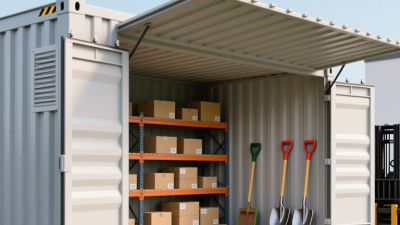
In construction, containers store power tools, pipes, timber, and spare materials near active sites. Manufacturers use them for overflow stock when warehouse space becomes expensive. Farmers may protect machinery, packaging, and dry supplies from rain and dust. Some businesses convert units into temporary workshops or archive rooms. From practical site experience, placement matters as much as container quality. Uneven ground can twist doors and damage seals. That detail is often overlooked.
Tips: Choose a level, well-drained surface. Inspect the roof, floor, locking bars, and door gaskets before purchase. Add ventilation when storing goods that release moisture. Use shelving carefully, because poor weight distribution can strain the floor. Ask suppliers about delivery access, inspection records, repainting, and regional transport costs. A low purchase price can become expensive after repairs and difficult unloading. Also, requirements differ by climate. Coastal locations need stronger corrosion protection, while cold regions may require better condensation control.
Top 10 40ft Storage Container Suppliers Worldwide - Global Demand and Uses of 40ft Storage Containers
A 40ft dry container is a standardized two-TEU unit widely used for international shipping, warehouse overflow, construction storage, retail inventory, and modular projects. The chart presents nominal ISO dimensions for a standard 40ft container, providing a practical reference for global demand and usage planning.
Reference specifications: ISO 668 and ISO 1496-1. Nominal external dimensions are approximately 12.192 m × 2.438 m × 2.591 m, while internal dimensions vary slightly by manufacturer and container design. A standard 40ft container has a nominal capacity of about 67.7 m³ and equals 2 TEU.
Criteria for Selecting the Top 10 Worldwide Suppliers
Choosing the top 10 40ft storage container suppliers worldwide requires more than comparing online prices. A reliable supplier should provide clear steel grades, wall thickness, floor treatment, door hardware, and weatherproofing details. Request recent production photos, inspection records, and dimensional tolerances. For transport use, verify current safety certification and regional compliance. For storage use, check ventilation, locking points, corrosion protection, and floor load capacity.
Supplier experience matters when projects involve remote delivery, port handling, or large quantities. Examine production capacity, realistic lead times, replacement policies, and damage procedures. Independent audits, traceable material records, and detailed quotations improve confidence. Speak with recent customers when possible. One reference is useful, but it is not enough. A polished website proves very little.
Tips:
Compare total delivered cost, not the factory price alone. Ask who pays for repairs after transit damage. Confirm whether modifications affect certification. Inspect a sample unit before placing a large order. Keep every specification in writing. I have seen attractive offers become expensive after unloading, repainting, and correcting poor door alignment. No ranking is perfect; supplier performance can change with raw material quality, staffing, and regional logistics. A careful review should therefore combine documents, physical inspection, customer evidence, and practical delivery planning.
Profiles of the Top 10 40ft Storage Container Suppliers
Supplier One focuses on new 40ft dry containers for ports, farms, and construction sites. Its strongest feature is consistent steel quality and accurate door alignment. Supplier Two supplies wind-and-watertight units, with replacement seals checked during final inspection. Small defects still appear occasionally. Buyers should request dated inspection photos.
Supplier Three specializes in refurbished containers. Technicians usually replace damaged flooring, corner castings, and locking bars before delivery. Supplier Four offers high-cube 40ft models for taller goods and better internal clearance. Its technical team explains loading limits clearly. Supplier Five serves remote projects and coordinates transport to inland depots. Delivery planning is useful, but quoted schedules can change during peak seasons.
Supplier Six provides customized storage units with vents, shelving, lighting, or personnel doors. Its drawings help customers review modifications before production. Supplier Seven emphasizes corrosion protection for humid coastal environments. Surface preparation matters more than attractive paint alone. Supplier Eight maintains large inventories near major shipping routes, reducing waiting time. However, available colors and grades may be limited.
Supplier Nine supports long-term rental and purchase programs. Its maintenance records can reveal previous repairs and service intervals. Supplier Ten combines container supply with site surveys and unloading guidance. This reduces placement mistakes on uneven ground. A serious comparison should examine steel thickness, floor condition, locking performance, drainage, delivery access, and after-sales response. Photos help, but physical inspection remains more reliable.
Comparison of Products, Pricing, Quality, and Services
Choosing among the top 10 40ft storage container suppliers worldwide requires more than comparing listed prices. Product condition matters. New containers usually offer cleaner interiors, stronger doors, and longer service life. Used units cost less, but dents, floor wear, and previous cargo use need careful inspection. Check dimensions, steel thickness, door seals, locking bars, ventilation, and certification documents. A reliable supplier should provide clear photographs, inspection records, and realistic delivery estimates.
Tips: Request a detailed quotation. Include container price, transport, unloading, taxes, preparation, and possible storage fees. Compare the total delivered cost, not only the headline price. Ask whether the quoted unit is wind- and watertight. Small wording differences can create large expenses.
Quality also depends on grading standards and inspection consistency. Some suppliers describe a unit as “cargo worthy,” while others use broader internal terms. Clarify these descriptions in writing. Service quality becomes visible after payment. Responsive communication, shipment tracking, replacement policies, and technical support reduce operational risk. Delivery to remote areas may require special equipment, which can change the final price. The cheapest offer is not always economical. It may reflect older stock or weaker after-sales support. My own assessment would remain cautious without an independent inspection, because online photos rarely show floor damage clearly. No ranking is perfect. Supplier performance can vary by location, season, and available inventory.
Key Factors When Buying from an International Supplier
Buying a 40ft storage container internationally requires more than comparing online prices. Check the container’s dimensions, steel condition, floor rating, door seals, ventilation, and repainting standard. Ask for recent photographs, inspection reports, and a clear specification sheet. A polished photo can hide corrosion underneath.
Confirm the supplier’s export experience and production capacity. Request references from buyers in your region, when possible. Review payment terms, delivery schedules, warranty coverage, and replacement procedures before sending funds. Freight quotes should identify port charges, inland transport, insurance, and applicable import costs. Clarify the Incoterm in writing. Small wording gaps can become expensive surprises.
Tips: Ask for a pre-shipment inspection by an independent inspector. Match the container number with shipping documents and photographs. Check local import requirements before ordering, because port rules and documentation differ. Do not rely only on a low quotation. It may exclude unloading, customs handling, or damage protection. A practical checklist helps, although it will not replace careful judgment. Suppliers should answer technical questions directly, not avoid them with generic promises. When communication feels rushed, slow the purchase down.