How to Choose Storage Containers On Site for Your Needs?
Choosing the right storage containers on site can significantly impact your efficiency and organization. The range of options can be overwhelming. It is essential to assess your specific needs before making a decision.
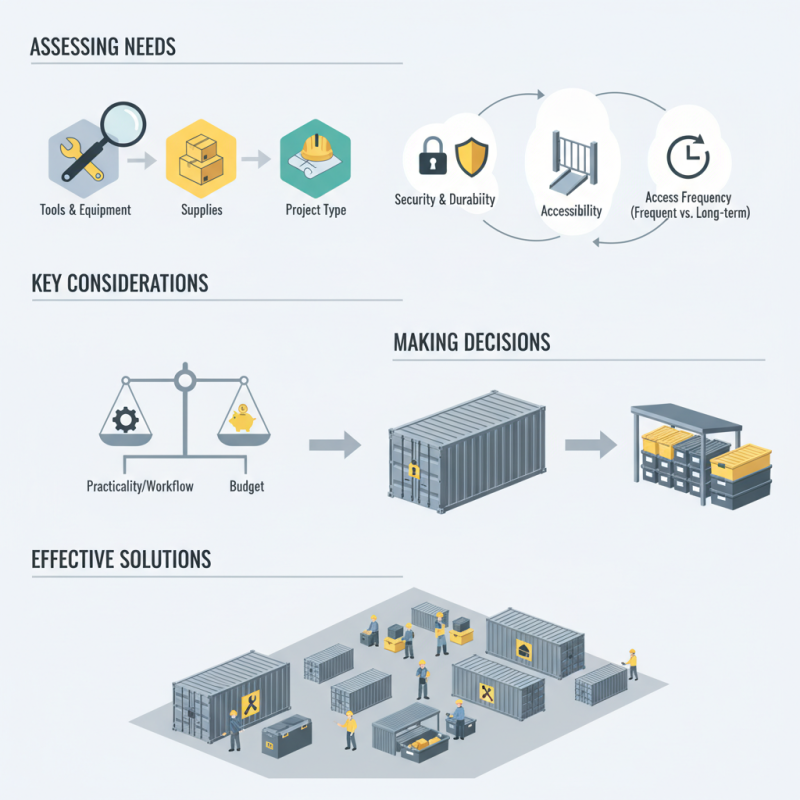
Consider the purpose of your storage containers on site. Are you storing tools, equipment, or supplies? The size and type of containers will vary based on your intended use. Evaluate factors such as security, durability, and accessibility. A container that suits one site may not be ideal for another.
Also, reflect on how often you will access the containers. Some may need frequent use, while others will remain untouched for long periods. This distinction is crucial. Make choices that enhance your workflow rather than hinder it. Balancing practicality with your budget can be challenging. However, careful consideration will lead to more effective solutions that meet your storage needs.
Understanding Your Storage Needs and Requirements
When it comes to storage solutions, understanding your needs is crucial. Start by assessing what items you need to store. Are they bulky, fragile, or sensitive to climate? Each type requires a different approach. For example, heavy machinery needs rugged containers. In contrast, delicate items require padded, cushioned storage. Evaluate the frequency of access too. Items you use often should be easy to reach.
Consider the space available on-site. Measure the area to determine the container sizes that fit comfortably. Overloading can lead to safety hazards. Think about stacking. Can smaller containers efficiently utilize vertical space without collapse? Sometimes, opting for a mix of sizes is wiser. It might feel tempting to choose the cheapest option, but long-term durability often saves money.
Reflect on how storage is organized. A chaotic setup can lead to frustration. If items are buried or hidden, you might forget their existence. Labels or color-coded containers can make retrieval faster. Review your system regularly. What works now might not suit future needs. Adjustments are part of a functional storage strategy, and that’s perfectly okay.
How to Choose Storage Containers On Site for Your Needs?
| Container Type |
Dimensions (L x W x H) |
Material |
Weight Capacity |
Ideal Use |
| Plastic Bin |
24" x 18" x 12" |
Polypropylene |
100 lbs |
Lightweight storage for tools |
| Metal Container |
48" x 40" x 48" |
Steel |
2000 lbs |
Heavy-duty equipment storage |
| Wooden Crate |
36" x 36" x 36" |
Plywood |
1500 lbs |
General storage and shipping |
| Stackable Container |
30" x 20" x 15" |
Durable Plastic |
75 lbs |
Organizing smaller items |
| Insulated Container |
32" x 24" x 24" |
Polyurethane |
100 lbs |
Storing temperature-sensitive goods |
Evaluating Different Types of Storage Containers
When evaluating
different types of storage containers, it’s important to consider your storage needs. Various materials offer unique advantages.
Steel containers are robust and weather-resistant. They protect items from environmental damage. On the other hand,
plastic containers are lightweight and easier to handle. They can be transparent, making it easy to see contents.
Think about the purpose. Will you store tools, equipment, or personal items? If you need to keep items dry,
sealed containers are best. For frequent access, choose stackable options that save space. Each type comes with trade-offs. A durable steel container can be heavy. Plastic ones may not withstand harsh conditions as well.
Another factor is the size. Consider how much space you have on-site. Oversized containers can be cumbersome. Smaller containers are
easier to transport. However, they might not hold everything you need.
Reflecting on these aspects can lead to better choices for your storage needs. Each decision carries potential drawbacks. Assessing your priorities guides you toward the best option.
Considering Size and Capacity for Your Items
Choosing the right storage containers on site is crucial for efficiently managing your items. When considering size and capacity, start by assessing what you need to store. Different items require different space, so measuring dimensions is vital. Consider the height, width, and depth of your items to ensure proper fit.
**Tips:** Use packing tape to measure on-site. This provides a visual reference for how much space your containers will occupy. Also, visualize stacking options. Can containers stack without toppling? This affects your space efficiency.
Capacity matters as it directly influences your storage strategy. You should select containers that accommodate bulk items while allowing for smaller items to fit comfortably. If containers are too large, you may waste space. Smaller containers can also be limiting if they can’t hold enough.
**Tips:** Consider container flexibility. Some containers can expand or collapse based on your needs. Keep in mind seasonal variations in storage requirements. What works in one season may not suit another. It’s important to reflect on changes in your inventory and adjust your choices accordingly.
Storage Container Size and Capacity Evaluation
Assessing Durability and Weather Resistance
When choosing storage containers, durability and weather resistance are key factors. Containers need to withstand harsh conditions. According to a report by the
Storage Container Association, up to 40% of storage failures are linked to inadequate protection against the elements. This highlights the importance of selecting robust materials.
Look for containers made from high-quality steel or polyethylene. These materials are known for their resilience. The properties of these materials ensure that containers resist rust, corrosion, and extreme temperatures. Research from the
Industry Container Review found that containers with UV protection last 25% longer when exposed to sunlight. This is vital for long-term outdoor use.
It's important to consider the environment where the containers will be placed. For areas prone to severe weather, insulated containers can offer additional protection. However, not all insulation options perform equally. Some might retain moisture, leading to potential internal issues. This requires careful selection and sometimes, expert consultation to ensure that you make a wise choice. Make decisions based on the specific needs and challenges faced by your site.
Budgeting and Cost Considerations for Storage Solutions
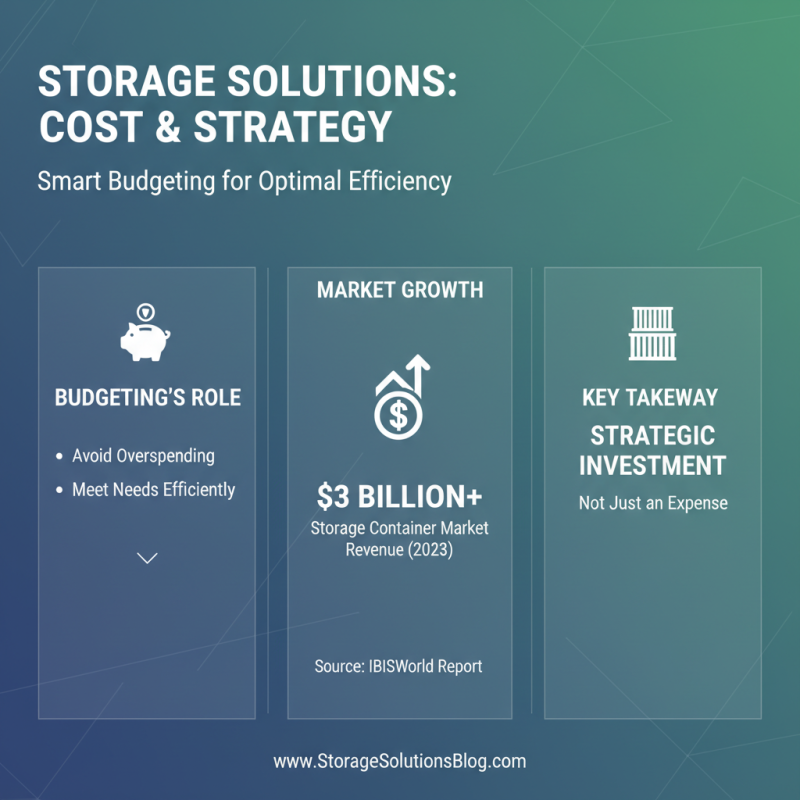
When choosing storage containers on site, budgeting plays a critical role. According to a report by IBISWorld, the storage container market reached over $3 billion in revenue in 2023. This number reflects the growing need for efficient storage solutions across various industries. Proper budgeting ensures you avoid overspending while still addressing your storage needs.
Consider the total cost of ownership. This includes not just the purchase price but also maintenance and rental fees. A study by MarketsandMarkets indicates that rental costs for storage solutions can contribute to a significant portion of your budget, varying from $50 to $150 monthly based on size and location. Businesses must plan for these ongoing expenses. One common mistake is underestimating these long-term costs.
Material choice affects price. Options like plastic, metal, or wood have different price points. While metal containers are durable, they tend to be more expensive than plastic alternatives. The perceived value must align with operational needs. A miscalculation could lead to suboptimal storage options that don’t meet expectations. Balancing quality against cost requires careful consideration and possibly trial and error. This reflection process is key in making the most informed decisions for your storage container needs.