How to Choose a 10ft Storage Container in 2026?
Choosing a 10ft storage container in 2026 requires more than measuring an available corner. It involves capacity, security, delivery access, weather exposure, and long-term maintenance. A compact container can fit behind a workshop, beside a retail unit, or within a restricted driveway. Yet even a small mistake can create expensive delivery problems.
Start by examining what you need to store. Shelving, garden tools, archived documents, and boxed inventory require different layouts. A typical 10ft storage container offers useful floor space, but internal dimensions vary between manufacturers. Check the door opening, roof height, floor condition, and ventilation design before ordering. These details matter.
Measure twice.
Professional suppliers should provide clear specifications, realistic photographs, and guidance about ground preparation. Ask about wind and rain protection, lockbox construction, corrosion treatment, and delivery equipment. A reputable company should explain limitations rather than promise perfect performance in every climate. That honesty is valuable. No container remains maintenance-free forever.
Consider how the unit will arrive. A narrow gate, low branch, uneven surface, or overhead cable may prevent safe placement. Confirm turning space and unloading requirements with the supplier. Local rules may also affect placement, especially near property boundaries or public access areas. Requirements differ widely, so verify them with the relevant authority.
This guide compares practical features, costs, security options, and buying questions for 2026. It also acknowledges an uncomfortable point: the cheapest container may become the most expensive choice after repairs, relocation, or poor access. Careful planning cannot remove every uncertainty, but it can reduce avoidable surprises.
Define Your Storage Needs and Available Space
How to Choose a 10ft Storage Container in 2026?
Define Your Storage Needs and Available Space
A 10ft container suits compact moves, seasonal equipment, and small business inventory. The 2024 Self Storage Association Demand Study reported that 16.7 million U.S. households rented storage in 2023. That figure reflects sustained demand, but not every household needs a 10ft unit.
Start with an inventory, not a guess. Measure each item, then group boxes by use and weight. A typical 10ft container provides about 72–80 square feet of floor space, depending on its design. Internal height and door width also vary. Measure your largest cabinet, bicycle, or appliance before ordering. I once estimated space from floor area alone. That was wrong. Vertical clearance and door access mattered more.
Now inspect the proposed placement. Leave roughly three feet of working clearance around the opening when possible. Check ground firmness, drainage, overhead branches, and delivery-truck access. ISO 668 identifies standard container dimensions, but storage models may be modified for local use. Confirm the supplier’s internal measurements, ventilation, locking system, and permitted load. The Global Self-Storage Association’s 2024 industry data also shows strong storage participation, yet utilization needs differ sharply by household. A simple sketch with measurements is more reliable than an attractive online photo. You may still misjudge future growth. That is worth admitting.
Compare 10ft Container Types, Materials, and Security Features
How to Choose a 10ft Storage Container in 2026?
A 10ft container suits gardens, construction sites, and compact commercial yards. Compare its type before comparing its price. A standard dry container usually uses weather-resistant Corten steel. It handles rain, impact, and repeated relocation. Insulated models use sandwich panels and reduce condensation better. However, they often provide less internal space. A used container may cost less, but inspect floor damage, door alignment, and roof patches carefully. ISO 668 defines container dimensions, yet manufacturers can leave small differences. Measure your site and access route first.
Security needs equal attention. Choose a welded lockbox, protected door hinges, and a strong steel locking bar. Internal ventilation reduces moisture, but open vents can still admit dust. The World Shipping Council reported 221 containers lost at sea in 2023, compared with 1,661 in 2022. This figure concerns transport, not storage, but it shows why structural condition matters. UNCTAD’s Review of Maritime Transport 2024 also highlights the continuing scale of global container movement. More handling can mean more hidden dents. Inspect closely.
Tips: Place the container on level concrete blocks, not bare soil. Check the underside with a flashlight. Test both doors before delivery. A marine-grade padlock helps, but the lockbox matters more. I would not rely on a cheap alarm alone. Security is layered, and my first choice can change after seeing the site, drainage, and surrounding lighting.
How to Choose a 10ft Storage Container in 2026?
Compare typical 10ft container types by usable internal volume. Actual specifications vary slightly by manufacturer, door configuration, insulation, and refrigeration equipment.
Standard Dry
Usually made from weather-resistant corten steel with a plywood or steel floor. It is a practical choice for general storage.
High-Cube
Provides extra internal height and volume. Confirm local availability because 10ft high-cube units are less common than standard units.
Open-Side
Uses steel construction with a larger side opening, making it useful for bulky goods but requiring careful inspection of seals and locking points.
Security Checklist
Look for a protected lock box, strong steel locking bars, sound door seals, corrosion-resistant hinges, and a floor suitable for the stored load.
Typical internal-volume figures are approximate industry specifications: standard dry containers are about 16.0 m³, high-cube units about 17.5 m³, open-side units about 15.8 m³, and refrigerated units about 14.3 m³ because of thicker insulated walls and refrigeration equipment.
Evaluate Ventilation, Weather Protection, and Interior Layout
A 10ft storage container can look simple, but its small footprint demands careful planning. During site inspections, I check airflow before measuring storage capacity. Poor ventilation traps moisture, especially when warm air meets cold steel walls. Look for protected vents on opposite sides, not just one opening. Cross-ventilation works better. Keep vents clear of boxes, tools, and ground-level flooding.
Weather protection also depends on placement and maintenance. Inspect door seals for cracks, gaps, or flattened rubber. The roof should shed rain without holding shallow pools. A slightly raised, level base reduces corrosion and keeps doors aligned. Avoid placing the container beneath dripping gutters or dense tree cover. I once overlooked nearby branches, and falling leaves blocked a drainage channel within weeks. That was preventable.
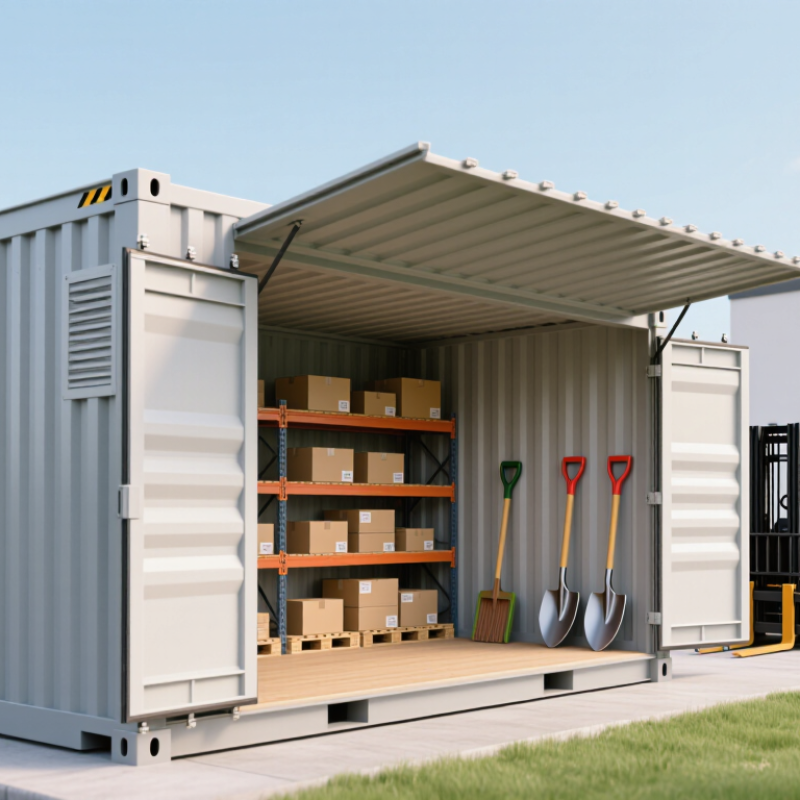
Interior layout should match the items you access most often. Use the rear area for seasonal goods and leave a clear walkway near the doors. Shelving can improve vertical space, but it may reduce usable width. Measure the door opening, not only the interior walls. Allow space for ventilation around stored materials. Heavy items belong low and near the center to limit uneven loading. A sketch with actual box dimensions helps, although my first layout was still too optimistic. Real containers often contain awkward shapes, spare gaps, and one item that refuses to fit. Check condensation after rain and during temperature changes. Small observations can reveal larger problems early.