
How to Choose the Best 40ft Storage Container?
Choosing the best 40ft storage container starts with a practical question: what must it protect, and where will it stand?
UNCTAD’s Review of Maritime Transport 2024 states that more than 80% of global merchandise trade moves by sea. That scale explains why container design, condition, and availability matter far beyond ports. A 40ft container usually provides about 67 cubic meters of internal space, making it suitable for machinery, furniture, inventory, and seasonal equipment. However, usable capacity depends on wall thickness, door clearance, flooring, and the way goods are packed. Space is not everything.
Marc Levinson, economic historian and author of The Box, wrote, “The container made it possible to move goods around the world at low cost.” His observation still matters for storage buyers. A reliable unit should have sound corner posts, a reasonably watertight roof, functioning door seals, and flooring without dangerous deterioration. The International Organization for Standardization also provides standardized container dimensions, helping buyers compare transport compatibility and storage efficiency.
Industry reports from Drewry and Container xChange show that container prices, availability, and regional supply can change quickly. Therefore, the cheapest 40ft storage container may not be the most economical choice. Delivery distance, ground preparation, ventilation, security, and repair costs can quietly reshape the final budget. This is where many purchasing decisions become imperfect. Buyers often focus on volume and overlook access paths or condensation control. Measure the site first. Check the doors twice. Then compare new, one-trip, and used units against the storage environment, not only the advertised price.
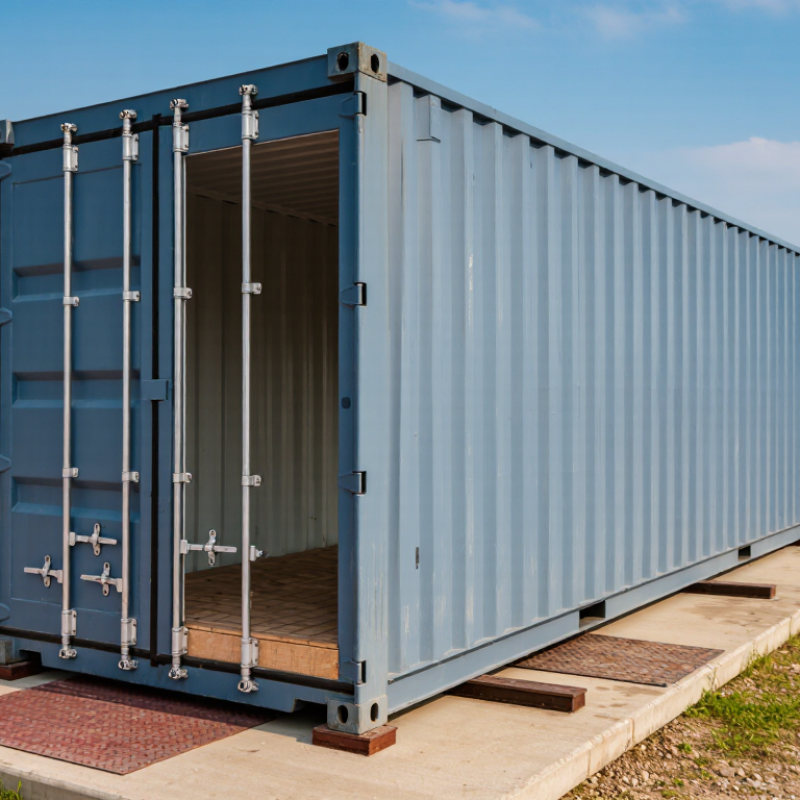
Understanding 40ft Storage Container Types and Specifications
How to Choose the Best 40ft Storage Container?
A 40ft storage container usually measures about 40 feet long, 8 feet wide, and 8 feet 6 inches high. A high-cube model adds approximately one foot of interior height. That extra space helps with tall shelving, machinery, and stacked cartons. Interior dimensions are slightly smaller because of steel walls and framing. Check the door opening, not only the internal length. Standard doors may restrict bulky equipment. Small detail, big problem.
Storage containers generally fall into three practical types: new, used, and modified. New containers offer cleaner surfaces and fewer repair concerns. Used units cost less, but inspect floors, roof seams, door gaskets, and corner posts carefully. Rust around the lower rails deserves attention. Modified units may include personnel doors, ventilation, shelving, or electrical systems. These additions should be professionally installed and documented. I would avoid choosing modifications before measuring the items to be stored.
Capacity also needs careful review. A 40ft container may hold around 67 cubic meters, but usable space depends on packaging and access paths. Payload limits vary by design and condition. Ask for the maximum gross weight, tare weight, and inspection records. Confirm the ground is level and can support concentrated loads. Delivery clearance matters too. A container can fit the site but still fail at the gate. That mistake is surprisingly common.
How to Choose the Best 40ft Storage Container? - Understanding 40ft Storage Container Types and Specifications
| Container Type | Typical External Dimensions (L × W × H) |
Typical Internal Dimensions (L × W × H) |
Approx. Internal Volume | Typical Tare Weight | Typical Maximum Payload | Door Opening | Best Storage Application | Important Considerations |
|---|---|---|---|---|---|---|---|---|
| 40ft Standard Dry | 12.19 × 2.44 × 2.59 m (40 × 8 × 8 ft 6 in) |
12.03 × 2.35 × 2.39 m (39 ft 5 in × 7 ft 8 in × 7 ft 10 in) |
Approximately 67.7 m³ (2,390 ft³) |
Approximately 3,700–4,000 kg | Approximately 26,480–26,780 kg | Approximately 2.34 m wide × 2.28 m high | General goods, furniture, tools, boxed inventory, machinery, and standard warehouse overflow. | Usually the most economical option. It is not temperature-controlled and should be placed on a level, well-drained foundation. |
| 40ft High Cube Dry | 12.19 × 2.44 × 2.90 m (40 × 8 × 9 ft 6 in) |
12.03 × 2.35 × 2.70 m (39 ft 5 in × 7 ft 8 in × 8 ft 10 in) |
Approximately 76.3 m³ (2,694 ft³) |
Approximately 3,900–4,200 kg | Approximately 26,280–26,580 kg | Approximately 2.34 m wide × 2.58 m high | High-volume storage, tall equipment, shelving systems, retail stock, and items requiring extra headroom. | Provides about 13% more internal volume than a standard 40ft container. Confirm site clearance for the extra height. |
| 40ft Refrigerated | Approximately 12.19 × 2.44 × 2.59 m (40 × 8 × 8 ft 6 in) |
Approximately 11.58 × 2.29 × 2.54 m (38 ft × 7 ft 6 in × 8 ft 4 in) |
Approximately 67.4 m³ (2,380 ft³) |
Approximately 4,500–5,000 kg | Approximately 25,480–25,980 kg | Approximately 2.29 m wide × 2.26 m high | Temperature-sensitive products, food, pharmaceuticals, chemicals, and materials requiring controlled conditions. | Requires a suitable electrical supply, ventilation around the refrigeration unit, regular servicing, and higher operating costs. Exact temperature range depends on the unit. |
| 40ft Open Top | Approximately 12.19 × 2.44 × 2.59 m (40 × 8 × 8 ft 6 in) |
Approximately 12.03 × 2.35 × 2.35 m (39 ft 5 in × 7 ft 8 in × 7 ft 8 in) |
Approximately 65–66 m³ (2,295–2,330 ft³) |
Approximately 3,800–4,300 kg | Approximately 26,180–26,680 kg | End doors; roof opening is covered by a removable tarpaulin. | Bulky or tall items that must be loaded by crane, such as construction materials, scrap metal, timber, and industrial equipment. | The flexible roof makes loading easier, but the tarpaulin offers less security and weather protection than a fixed steel roof. |
| 40ft Flat Rack | Approximately 12.19 × 2.44 m (40 × 8 ft); height varies by design |
Open platform; usable width and height vary by model. | Not applicable as an enclosed volume | Approximately 5,000–6,000 kg | Often approximately 25,000–30,000 kg; verify the unit rating. | Open ends or collapsible end walls; no standard enclosed door opening. | Oversized machinery, vehicles, pipes, steel products, tanks, and loads that exceed standard container dimensions. | Provides little weather protection and limited security. Check the maximum concentrated load, lashing points, and allowable over-width or over-height cargo. |
| 40ft Insulated Storage Unit | Approximately 12.19 × 2.44 × 2.59 m (40 × 8 × 8 ft 6 in) |
Typically slightly smaller than a dry container because of insulated wall panels. | Usually approximately 60–66 m³ | Often approximately 4,000–5,000 kg | Typically approximately 25,500–26,500 kg | Usually a full-width end door; opening varies by construction. | Furniture, electronics, documents, artwork, and other goods that need improved protection from heat, cold, and condensation. | Insulation slows temperature changes but does not actively cool or heat the interior. It still needs a dry, ventilated installation site. |
Specification note: Dimensions, tare weight, payload, door openings, and usable volume vary by manufacturer, construction year, and container condition. Always confirm the identification plate, CSC plate, door measurements, and local installation requirements before purchase or rental.
Related Posts
-
China Top 10ft Storage Container Insights for Global Buyers?
-

How to Create a Shipping Container Office for Your Business?
-

Top 10 Uses for 6ft Shipping Containers: Space-Saving Solutions You Need
-

2025 Top Digital Types of Cargo Storage Containers for Efficient Supply Chain Management
-

2026 Top Container Self Storage Solutions What to Choose?
-
2026 Top Uses for 10ft Shipping Containers in Modern Projects?