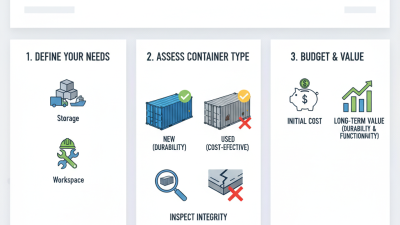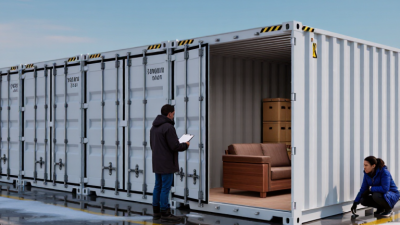
Choosing the best 8x10 shipping container from China requires more than comparing online prices. The right unit must match cargo, handling conditions, local regulations, and expected service life. An 8x10 shipping container is usually a compact, non-standard format, so its actual dimensions may differ between factories. Confirm external measurements, internal clearance, door opening, tare weight, and payload before ordering.
Industry evidence supports careful specification. UNCTAD’s Review of Maritime Transport 2023 reports that shipping carries over 80% of global merchandise trade by volume. This highlights the importance of strong corner fittings, weather-resistant steel, and secure locking hardware. ISO 668 provides recognized container dimension and classification principles, while the International Convention for Safe Containers establishes safety requirements for containers used in international transport. However, not every compact container automatically qualifies for international shipping. That assumption can fail.
Reports from the World Bank’s Logistics Performance Index also show how customs, tracking, infrastructure, and delivery reliability affect logistics results. Therefore, the best Chinese supplier should provide material specifications, welding details, paint-system information, inspection records, and transparent export documentation. Ask for photographs of the floor, roof seams, door seals, and corner posts. Small details matter. A 28-gauge roof may reduce cost, but thicker corrosion-resistant steel can perform better in humid ports or coastal storage. Buyers should also compare factory experience, independent inspection options, spare-part support, and landed cost. The cheapest quote is not always the best value. This guide examines practical specifications, supplier credibility, certification limits, and real purchasing risks before recommending an 8x10 shipping container from China.
An 8x10 shipping container is defined by its nominal outside dimensions: 10 feet long and 8 feet wide. ISO 668:2020 places these measurements near 3,048 mm by 2,438 mm. The standard height is usually 8 feet 6 inches, while high-cube models reach about 9 feet 6 inches.
Inside, the usable space is smaller because steel walls, corner posts, doors, and floor framing reduce capacity. A typical internal length may be close to 9 feet 3 inches. Internal width often approaches 7 feet 7 inches, but construction tolerances can change it. Always request a signed dimensional sheet before ordering.
The container’s structure also defines its practical value. ISO 668 covers dimensional requirements, while the Bureau International des Containers highlights safety identification and inspection practices. For cargo use, check the door opening, floor load rating, roof condition, and corner casting design. A new unit may look precise, yet welded areas can still vary slightly.
Chinese suppliers commonly offer corten steel bodies, marine plywood floors, lock rods, and ventilation openings. However, paint thickness and floor treatment deserve closer inspection. I would not judge quality from photographs alone. Ask for production images, measured dimensions, and a recent inspection record. A small measurement error can disrupt shelving, machinery placement, or delivery clearance.
What Is the Best 8x10 Shipping Container from China?
An 8x10 container needs careful definition before price comparison. It usually means approximately 10 feet long and 8 feet wide, not a standard 20-foot ISO unit. Confirm external dimensions, internal clearance, tare weight, and usable payload in writing. ISO 668 and ISO 1161 provide useful dimensional and corner-fitting references, but a custom 8x10 unit may not qualify for ocean transport. That assumption can fail.
Compare the steel grade, panel thickness, weld quality, and corrosion protection. Corten steel panels are common, while galvanized components can improve rust resistance around doors and roof edges. Check whether the floor uses treated hardwood, steel, or a composite structure. Ask for the floor load rating, not just “heavy duty.” A loaded pallet should not leave visible flexing. Door openings, locking bars, rubber seals, ventilation slots, and roof drainage deserve equal attention. Small details matter.
UNCTAD’s Review of Maritime Transport 2024 reported about 858.9 million TEUs in global container port throughput during 2023. This scale explains why standardized equipment is easier to handle than unusual dimensions. Request production drawings, material certificates, weld inspection records, and dated photographs before shipment. A pre-shipment inspection should measure diagonal squareness and test every lock. Product sheets can look perfect. They are not proof. Check the CSC plate only when maritime certification is genuinely required, and verify that the certificate matches the container’s identification number.
What Is the Best 8x10 Shipping Container from China?
An 8x10 container usually measures eight feet wide and ten feet long. Its compact footprint suits gardens, construction sites, workshops, and small retail storage. Most units use weathering steel, often called Corten steel, with marine plywood flooring. Galvanized steel can improve corrosion resistance, while insulated sandwich panels reduce heat transfer. The World Steel Association reported about 1.89 billion tonnes of crude steel production in 2023, showing the material’s broad industrial availability. Still, more steel does not always mean better quality.
Configurations matter more than appearance. A one-trip unit usually offers cleaner panels and tighter doors, while a used unit costs less but needs careful inspection. Common options include double doors, side access, ventilation grilles, windows, lighting, and electrical outlets. ISO 668 provides dimensional and strength guidance for freight containers, but many 8x10 units are modified storage products rather than standard ocean containers. UNCTAD’s Review of Maritime Transport 2024 recorded 858.9 million TEUs in global container port throughput during 2023. That scale reinforces the value of proven corrosion control and secure doors.
Tips: Ask for steel thickness, floor load capacity, weld photographs, and a water-tightness test. Confirm external dimensions before delivery. Check whether modifications affect lifting points. For a garden office, insulation and ventilation deserve priority. For equipment storage, shelving and a raised base may matter more. I would not choose the cheapest quote automatically. A small mistake in drainage can become expensive. These details are easy to overlook.
| Configuration | Typical Material | Approx. Exterior Size | Approx. Interior Size | Approx. Tare Weight | Door Arrangement | Weather Protection | Recommended Use | Key Consideration |
|---|---|---|---|---|---|---|---|---|
| Standard 8 x 10 Dry Storage Container | Weathering steel frame and corrugated steel panels; plywood or steel floor | 10 ft L × 8 ft W × 8 ft 6 in H (3.05 m × 2.44 m × 2.59 m) |
About 9 ft 3 in L × 7 ft 8 in W × 7 ft 10 in H (2.82 m × 2.34 m × 2.39 m) |
Approximately 900–1,400 kg | One end set of externally locking double doors | High resistance to rain and wind when doors, seals, and roof are properly maintained | Tools, furniture, inventory, seasonal equipment, and general storage | Best general-purpose option, but an 8 × 10 unit is usually custom-sized rather than a standard ocean-container size |
| Galvanized Steel Storage Container | Zinc-coated steel panels with a galvanized or painted structural frame | 10 ft L × 8 ft W × 8 ft 6 in H (custom dimensions may vary) |
Typically 5–8 in less than exterior dimensions in width and length, depending on panel thickness | Approximately 800–1,300 kg | Single or double hinged doors; optional personnel door | Good corrosion resistance in normal outdoor conditions; damaged zinc coating should be repaired | Construction materials, garden equipment, farm supplies, and temporary site storage | Often lighter and easier to customize, but panel strength and floor capacity must be confirmed before purchase |
| Insulated 8 x 10 Container | Steel shell with polyurethane, PIR, or mineral-wool insulation and interior wall lining | 10 ft L × 8 ft W × 8 ft 6 in H (3.05 m × 2.44 m × 2.59 m) |
Usually about 8 ft 8 in–9 ft 2 in L × 7 ft 2 in–7 ft 6 in W × 7 ft 4 in–7 ft 8 in H | Approximately 1,100–1,700 kg | Insulated personnel door, double doors, or both | Improved thermal performance; insulation alone does not provide active temperature control | Site offices, workshops, electrical rooms, packaging areas, and dry goods storage | Interior usable space is reduced by insulation thickness; ventilation and condensation control are important |
| Vented Storage Container | Painted or weathering steel with passive louvered vents | 10 ft L × 8 ft W × 8 ft 6 in H | Approximately 9 ft 3 in L × 7 ft 8 in W × 7 ft 10 in H | Approximately 950–1,450 kg | Double doors with high and low ventilation openings | Weather-resistant shell with improved airflow; vents do not make the unit airtight | Lumber, machinery, fuel-related equipment, sporting goods, and moisture-sensitive tools | Ventilation reduces condensation risk but cannot replace dehumidification for sensitive cargo |
| High-Security 8 x 10 Container | Heavy-gauge steel panels, reinforced frame, protected hinges, and lockbox | 10 ft L × 8 ft W × 8 ft 6 in H | Approximately 9 ft 2 in L × 7 ft 7 in W × 7 ft 9 in H | Approximately 1,100–1,700 kg | Reinforced double doors with external lockbox | High resistance to forced entry and weather exposure when correctly installed | Valuable tools, cables, spare parts, documents, and remote-site equipment | Security hardware adds weight and cost; the foundation and lifting plan should be checked carefully |
| Open-Side 8 x 10 Container | Steel frame and corrugated steel panels with one full-length opening | 10 ft L × 8 ft W × 8 ft 6 in H | Approximately 9 ft 3 in L × 7 ft 8 in W × 7 ft 10 in H | Approximately 1,200–1,900 kg | Full-length side doors, sometimes combined with end doors | Comparable to a dry container when all door seals are closed and maintained | Palletized goods, bulky machinery, exhibition equipment, and frequent loading operations | Convenient access but heavier, more expensive, and structurally more complex than a standard end-door model |
| Refrigerated or Temperature-Controlled Unit | Insulated steel body with refrigeration equipment and insulated floor | 10 ft L × 8 ft W × 8 ft 6 in H, subject to equipment layout | Often about 8 ft 3 in–9 ft L × 7 ft–7 ft 4 in W × 7 ft–7 ft 6 in H | Approximately 1,500–2,500 kg | Insulated rear door with refrigeration access and electrical connection | High insulation performance; requires a stable power supply and regular equipment servicing | Temperature-sensitive food, pharmaceuticals, laboratory materials, and chilled products | Usually the most expensive option; verify temperature range, power requirements, noise level, and maintenance support |
An 8x10 shipping container from China should be judged by verified specifications, not attractive photos. Its compact footprint suits small construction sites, farms, and urban storage. However, 10-foot containers are less common than 20-foot and 40-foot units. This can affect price, availability, and replacement-part access.
The ISO 668 standard defines container dimensions and strength requirements. Ask the manufacturer for steel grade, panel thickness, floor load rating, weld records, and door-cycle testing. Inspect the corner castings, roof seams, locking bars, and plywood floor. Fresh paint can hide rust or uneven repairs. Request dated factory videos and an independent pre-shipment inspection. The 2023 UNCTAD Review of Maritime Transport reports that ships carry over 80% of global merchandise trade by volume. Therefore, export handling quality matters, even for a small container. If the unit will travel by sea, verify its CSC approval and valid safety plate. A storage-only unit may not require the same certification.
Tips: Compare at least three Chinese manufacturers using the same specification sheet. Ask for steel thickness in millimeters, not vague terms like “heavy duty.” Check internal dimensions after insulation or lining. Confirm the floor’s treatment and moisture resistance. Product samples help, but one sample cannot prove consistent production. I would also budget for minor paint flaws; factory perfection is unrealistic, but structural defects are not acceptable. Note every tolerance before ordering, because “8x10” may describe nominal size rather than usable space.
What Is the Best 8x10 Shipping Container from China?
Ordering an 8x10 shipping container requires more than comparing prices. Confirm the external dimensions, steel thickness, floor load, door position, ventilation, and paint system. Ask for a signed drawing before production. The supplier should also provide material details, a packing list, gross weight, and export documents. UNCTAD reports that maritime transport carries over 80% of global merchandise trade by volume. Small errors can therefore create expensive port delays.
Inspect the container before it leaves the factory. Check corner posts, weld seams, door seals, floor boards, and roof panels. Measure the inside length and width with a tape. Test the doors after rainfall, not only in a dry workshop. Request timestamped photographs and an independent inspection report. ISO 668 provides key container size and strength references, but a custom 8x10 unit may not match every standard handling system. I learned this the hard way: a compact design can reduce shipping options.
Tips: Compare the total landed cost, not the factory quote. Include inland trucking, insurance, customs charges, port fees, and final delivery. The World Bank’s 2023 Logistics Performance Index highlights customs efficiency and shipment timeliness as major logistics factors. Confirm the destination port’s handling requirements in writing. Use staged payments tied to drawings, production, inspection, and shipment. Do not skip the final measurement. Five minutes can prevent weeks of correction.
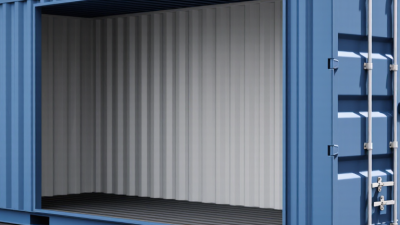
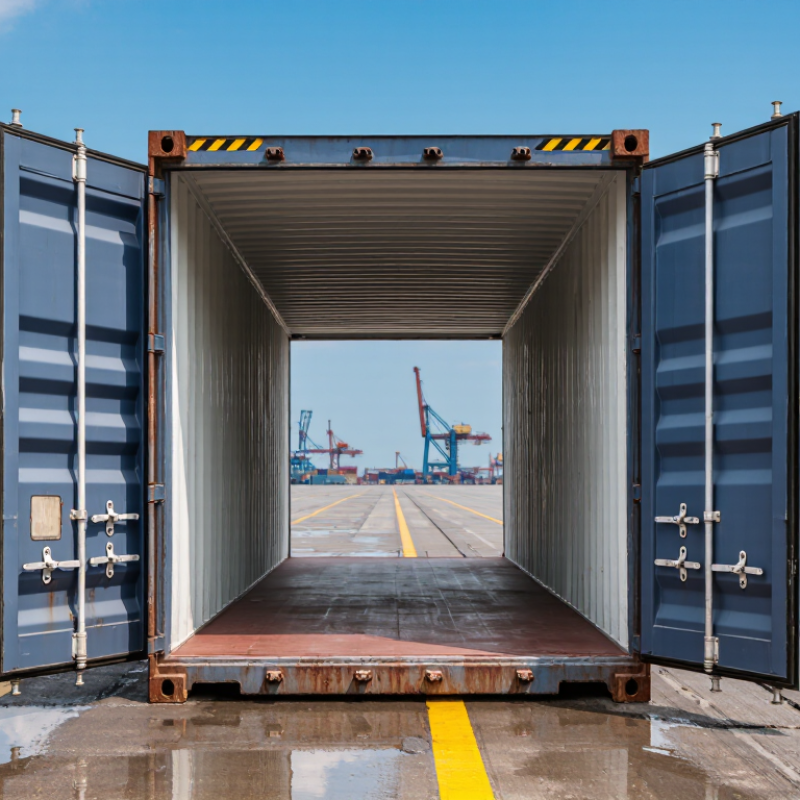
Typical dimensional comparison for an 8×10 shipping container. Use the supplier’s approved drawings to confirm the final dimensions before ordering.
Dimensions are shown in feet. Exterior dimensions represent a nominal 10 ft length, 8 ft width, and 8 ft 6 in height; interior dimensions vary by wall thickness, floor construction, and door design.