
What Is a 6ft Shipping Container?
A 6ft shipping container is a compact, enclosed steel unit named for its approximate length: six feet, or about 1.83 metres. Its small footprint can suit a narrow driveway, workshop corner, or site with limited storage space. But the label does not guarantee identical dimensions. Manufacturers may vary the height, width, door opening, and internal capacity, so check the product specification before planning access or storage.
The distinction from standard freight equipment matters. ISO 668 sets classifications, dimensions, and ratings for Series 1 freight containers; a six-foot unit is generally a specialist compact option, not a common intermodal size. UNCTAD’s Review of Maritime Transport 2024 reported 858.9 million TEU in global container-port throughput in 2023. That figure describes the scale of standard container logistics, not the performance of small storage units. A useful comparison, but not a direct one.
For everyday use, inspect the floor, door seals, locking hardware, ventilation, and any signs of corrosion. Measure the actual doorway, too. A bulky item may fit inside the container but fail to pass through its doors. Check the rated payload and delivery method with the supplier; a full steel unit can be difficult to reposition. There is a trade-off: the compact footprint saves space, yet limits capacity. And “shipping container” can imply more than a product actually offers. Confirm whether the unit is intended for storage, transport, or both before relying on that description.
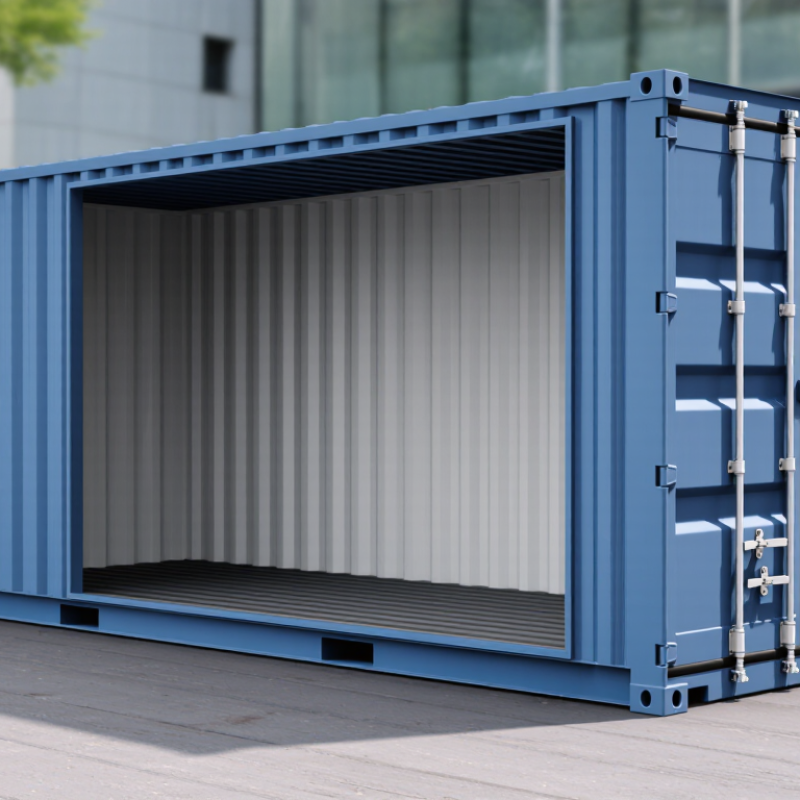
Definition and Key Dimensions of a 6ft Shipping Container
A 6ft shipping container is a compact steel storage unit named for its approximate external length. It can suit a small workshop, garden, or site where a full-size container would take too much room. A common model measures about 6 ft long, 7 ft wide, and 7 ft 6 in high externally. These figures are indicative, not universal.
The outside measurements do not describe the usable space. Steel walls, floor framing, and door fittings reduce the interior dimensions. A typical unit may provide roughly 5 ft 8 in of internal length, but the exact figure depends on its design. Check the product specification before planning shelves or bulky items. Measure twice. Door opening width and height matter too; a box that fits inside may not pass through the doors.
On a site plan, allow room for the container’s full footprint and for the doors to open. Its short length is helpful in tight spaces, but it limits storage for long tools or materials. I would not call it roomy. Also check the unit’s tare weight and required base, since both can vary. A level, firm surface helps keep the frame aligned and the doors operating smoothly. Heights may change with roof details or added fittings, so confirm the stated dimensions for the exact unit being considered.
| Dimension or feature | Representative specification | Notes |
|---|---|---|
| Definition | A compact container with a nominal external length of about 6 ft (1.83 m). | “6 ft” generally describes the length, not the container’s width or height. |
| External length | About 6 ft (1.83 m) | Exact measurements can differ by design. |
| External width | About 7 ft 6 in (2.29 m) | A representative size for a compact, wide-body container. |
| External height | About 7 ft 6 in (2.29 m) | Height may vary between standard-height and other configurations. |
| Approximate internal dimensions | 5 ft 8 in L × 7 ft 2 in W × 6 ft 10 in H (1.73 × 2.18 × 2.08 m) |
Usable space is reduced by the walls, floor, and roof structure. |
| Approximate internal volume | 278 cu ft (7.9 m³) | Calculated from the representative internal dimensions above. |
| Approximate floor area | 41 sq ft (3.8 m²) | Useful for estimating the floor space available for stored items. |
| Typical uses | Compact storage, tools, equipment, or small-site storage | Suitability depends on the items’ size, weight, and access requirements. |
| Specification note | A 6 ft container is a compact format, and dimensions are not universal. Confirm the specific unit’s external size, internal clearance, door opening, and payload rating before transport or purchase. | |
Related Posts
-
Top 10 Uses for 6ft Shipping Containers in Global Trade?
-
How to Choose the Right 6ft Shipping Container for Your Storage Needs and Save Up to 30% on Shipping Costs
-

2026 Top Trends in Container Storage Units for Modern Businesses?
-

Why Should You Consider Discount Shipping Containers for Your Next Project?
-
Why Choose Shipping Container Self Storage for Your Needs?
-

How to Organize a Successful Container Workshop Guide?