
How to Choose Storage Containers in Winnipeg?
Choosing storage containers in Winnipeg means planning for more than square footage. The city’s winters, spring thaw, and sudden temperature swings can affect what you store and how you protect it. Statistics Canada’s 2021 Census counted 749,607 residents in Winnipeg, a reminder of the city’s scale and the practical value of flexible storage for moves, renovations, and business inventory. The census is not a storage-market survey, though. It cannot tell you which container provider is best.
Start with the items, not the advertised price. Measure bulky furniture, count boxes, and leave room to walk safely inside the unit. Ask whether the container is weather-resistant, how its doors seal, and whether the site has drainage and snow-clearing plans. For documents, textiles, or electronics, check for moisture control and ventilation. A dry-looking floor is not a guarantee. Inspect it.
Compare access hours, delivery fees, minimum rental periods, and insurance terms in writing. If a container will sit on your property, confirm placement requirements with the relevant local authority before delivery. That small step can prevent an expensive surprise. Industry experts commonly stress matching container size and protection to the stored goods; however, I cannot verify a named Winnipeg specialist’s published quotation. Treat any unsourced quote with caution. The right choice is specific to your belongings, budget, and access needs. For storage containers Winnipeg residents can rely on, ask clear questions, inspect the unit, and get every important promise documented.
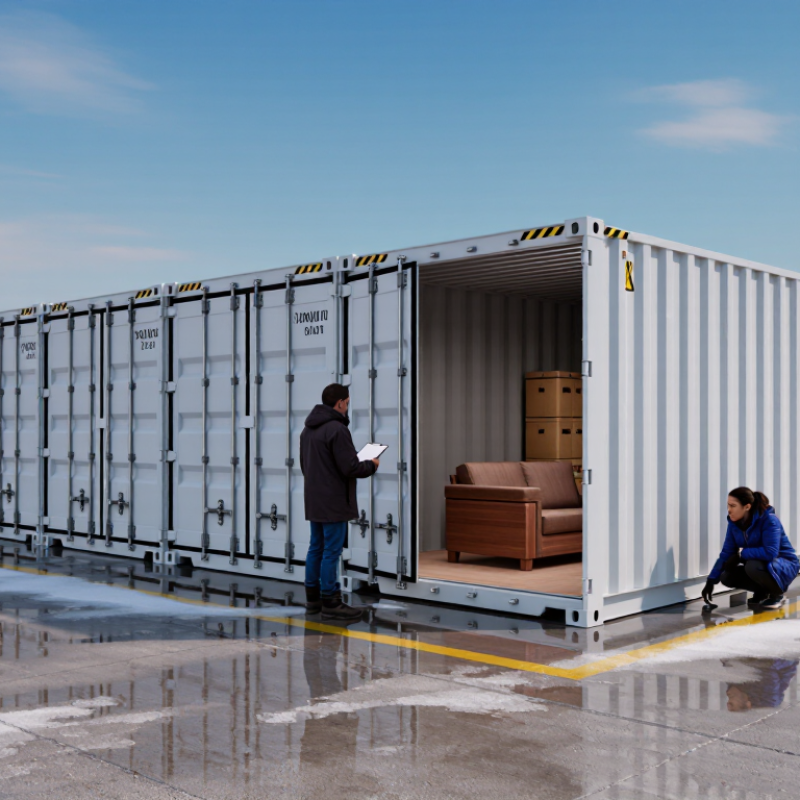
Identify What You Need to Store and for How Long
How to Choose Storage Containers in Winnipeg?
Identify what you need to store and for how long. This decision matters more than container appearance. A 2021 Statistics Canada Census profile places Winnipeg’s average private household size near 2.4 people. That suggests many storage needs come from seasonal equipment, apartment moves, renovations, or growing families. A small container may hold winter clothing for three months. It may not suit furniture stored for two years.
List each item before buying containers. Measure bulky pieces, including skis, bicycles, lamps, and dismantled shelves. For short-term storage, use clear, stackable containers for clothing, documents, and kitchenware. You will find items faster. For longer storage, choose rigid containers with tight-fitting lids and raised bases. Winnipeg’s cold winters and spring moisture can expose weak plastic, cardboard, and unsealed seams. Statistics Canada’s household data supports careful space planning, but it cannot predict your personal habits.
Duration changes the risk. Paper records need dry, stable protection. Fabric needs ventilation and complete dryness before packing. Electronics need cushioning, not empty space. The 2023 Self Storage Association Demand Study reported that millions of households use storage annually, often during transitions. That pattern makes access frequency important. I once underestimated seasonal gear and packed it behind furniture. It was inconvenient, and avoidable. Label two sides of every container. Leave a narrow walkway. Recheck stored items after the first thaw; my original plan was too optimistic.
How to Choose Storage Containers in Winnipeg? - Identify What You Need to Store and for How Long
| Items to Store | Typical Storage Period | Recommended Container Type | Suggested Capacity | Key Features to Look For | Winnipeg-Specific Considerations |
|---|---|---|---|---|---|
| Seasonal clothing and bedding | 3–9 months | Latching plastic tote or fabric container with a protective liner | 45–90 L per container | Secure lid, smooth interior, stackable design, moisture-resistant construction | Store indoors or in a dry, temperature-stable area to reduce condensation during seasonal temperature changes. |
| Books, documents, and photographs | 1 year or longer | Rigid archival box or sealed plastic document container | 15–35 L per container | Acid-free materials for paper items, tight-fitting lid, opaque sides, upright storage | Avoid unheated garages and sheds, where cold, moisture, and condensation can damage paper and photographs. |
| Kitchenware and small household goods | 1–12 months | Medium latching tote with removable dividers | 30–60 L per container | Durable walls, locking handles, washable surface, compatible stacking sizes | Let items dry completely before packing; moisture trapped inside can cause odours or mildew. |
| Tools, hardware, and hobby supplies | Several months to several years | Heavy-duty tote, compartment box, or metal cabinet | 10–65 L, depending on item size | Impact resistance, reinforced corners, divided compartments, rust-resistant hardware | Keep metal tools dry and elevated from concrete floors, which may transfer moisture. |
| Electronics and cables | Several months to several years | Rigid airtight container with padded inserts | 15–45 L per container | Dust-resistant seal, cushioning, anti-static bags for sensitive components | Allow electronics to reach room temperature before opening after exposure to severe cold to limit condensation. |
| Furniture and large household items | 1–24 months | Furniture cover, padded wrap, or modular storage unit | Based on item dimensions | Breathable cover, corner protection, straps, and clearance from walls or floors | Use breathable protection rather than trapping damp air beneath airtight plastic directly against upholstery or wood. |
| Sports equipment and outdoor gear | 3–12 months | Ventilated tote, equipment bag, or wall-mounted storage rack | 40–120 L per container | Air circulation, drainage, washable materials, strong handles | Dry snow, ice, and moisture thoroughly before storing; ventilation helps prevent odours and mould. |
| Holiday decorations | 10–11 months | Stackable latching tote with adjustable dividers | 45–100 L per container | Clear or labelled lid, crush protection, dividers for fragile ornaments | Choose containers that can be safely moved in cold weather and keep breakable items away from temperature extremes. |
| Business inventory or archived supplies | Several months to multiple years | Uniform stackable tote or pallet-compatible bulk container | 60–1,000 L, based on handling equipment | Barcode or label area, load rating, secure closure, consistent dimensions | For long-term storage, select a dry, insulated environment and maintain aisles for inspection and safe access. |
General guidance: Select the smallest container that fits the items without overpacking, label every container with its contents and storage date, and keep containers elevated when stored in areas that may experience moisture.
Related Posts
-
How to Choose a Storage Container in Sydney
-
10 Essential Tips for Using Steel Shipping Containers Effectively
-
How to Choose the Best Storage Container Delivery Service for Your Needs
-
How to Choose the Right Container Storage Units for Your Needs?
-
China Top Container Offices for Your Global Procurement Needs?
-
How to Buy Shipping Containers in Adelaide for Your Needs?