Global buyers need more than a steel box when comparing shipping container storage units. They need dependable protection, accurate specifications, and delivery confidence. The right unit depends on climate, cargo type, access, and storage duration. A dry inland site has different requirements from a humid coastal yard. A perfect unit does not exist. Careful selection still prevents expensive surprises.
Marc Levinson, a respected shipping-industry historian and author of The Box, wrote, “The shipping container made the world smaller and the world economy bigger.” His observation also matters for modern storage decisions. Buyers can source units across regions, but distance adds practical concerns. Freight charges, unloading equipment, inspection records, and local service availability can change the final cost. The cheapest listing may not remain the cheapest option.
This guide reviews seven shipping container storage units suited to different global buying needs. It considers standard dry containers, high-cube models, refrigerated units, side-opening designs, open-top containers, and specialized storage solutions. Each option offers clear advantages and compromises. Buyers should inspect door seals, locking bars, floor condition, ventilation, and visible corrosion. Small details matter. A stiff door handle may signal neglected maintenance. A damp smell may indicate hidden moisture problems.
The recommendations also reflect real-world limitations. Product availability varies by port and season. Used units can look excellent in photographs but perform differently on arrival. I would not rely on appearance alone. Confirm dimensions, grade, inspection timing, and delivery responsibilities in writing. That discipline supports safer purchasing and more reliable long-term storage.
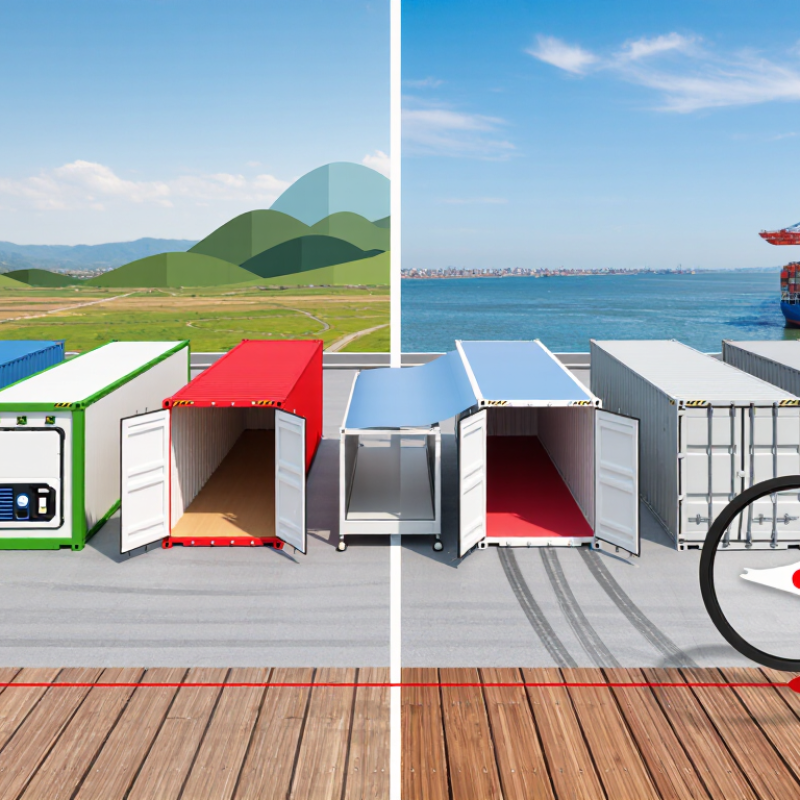
Shipping container storage units are steel cargo boxes repurposed for secure, movable storage. They usually measure 20 or 40 feet long, with weather-resistant doors and reinforced walls. A supplier delivers the empty unit to a prepared site. The customer loads goods, closes the doors, and secures them with a suitable lock. Simple in principle. The real work begins with site planning.
Before delivery, check ground firmness, drainage, access width, and overhead clearance. A level base prevents door distortion and standing water. Once positioned, the unit can store tools, furniture, equipment, or boxed inventory. Ventilation may include passive vents that reduce condensation. However, vents do not replace moisture control. Field inspections often reveal damp corners after sudden temperature changes. Desiccants, pallets, and regular inspections can help, though none works perfectly in every climate.
For global buyers, purchasing involves more than steel thickness. Confirm internal dimensions, floor condition, door seals, wind exposure, delivery equipment, and local placement requirements. Ask for recent photos or an inspection report. Used units can carry dents, odors, or small leaks, so “weatherproof” should be verified rather than assumed. A new unit may offer cleaner surfaces and predictable performance, but it often costs more. Mistakes happen. Good documentation makes them easier to correct.
When comparing the seven best shipping container storage units, start with dimensions and site access. UNCTAD’s Review of Maritime Transport 2024 states that over 80% of global merchandise trade moves by sea. Standardized sizing matters for international handling. ISO 668 dimensions help buyers verify length, width, and stacking compatibility. A high-cube unit offers extra vertical space, but it may require greater delivery clearance.
Weather protection deserves close inspection. Check roof seams, corner posts, door gaskets, and welds for rust or deformation. A practical site inspection should include the floor. Marine plywood can support general cargo, while sensitive goods may need insulation and controlled ventilation. No container is maintenance-free. Condensation can still form inside after a warm day and a cold night. The World Shipping Council reported 2,000 containers lost at sea in 2023, reminding buyers that structural condition and secure doors deserve serious attention, even for stationary use.
Security features should match the storage environment. Look for recessed locking points, lock-box protection, tamper-resistant hinges, and clear internal visibility. Ventilation openings should reduce moisture without creating easy access. Confirm the unit’s payload, tare weight, lifting points, and delivery method from technical documents. The International Maritime Organization’s container safety framework emphasizes verified weights and safe handling. Yet paperwork alone is not enough. A perfect inspection report cannot fix poor drainage, uneven ground, or blocked access. Measure the site twice, especially around doors and lifting equipment.
Key features to compare when choosing a storage container
The chart compares typical internal storage volume for seven widely used container configurations. Standard dry containers generally offer the best value, high-cube units provide extra vertical capacity, side-opening models improve access, and refrigerated units are suitable when temperature control is required. Actual dimensions may vary slightly by manufacturer and construction specification.
Seven Best Shipping Container Storage Unit Options for Global Buyers
Global buyers need storage units that match cargo, climate, access, and delivery routes. UNCTAD’s Review of Maritime Transport 2024 confirms that over 80% of world merchandise trade by volume moves by sea. That reality makes container compatibility important. The seven practical options are 20-foot dry, 40-foot dry, 40-foot high-cube, side-opening, double-door, open-top, and refrigerated containers. Dry units suit boxed goods and tools. High-cube models provide extra vertical space. Side-opening units help forklifts reach long items. Double-door units improve loading flow. Open-top designs support tall cargo. Refrigerated units protect temperature-sensitive goods, but require electricity and regular servicing. Insulated units can also help when stable temperatures matter.
World Bank’s Logistics Performance Index 2023 collected responses from 4,090 logistics professionals across 139 economies. Its findings highlight reliability, tracking, and timely delivery as major logistics concerns. Buyers should therefore inspect door seals, flooring, roof panels, locking bars, and visible corrosion. ISO 668 dimensions also help confirm compatibility with transport equipment. I would not choose the cheapest quote automatically. A low purchase price may hide cleaning, repair, or inland delivery costs. That mistake is common.
Tips: Request recent inspection photos, internal measurements, floor-load details, and wind-water resistance information. Confirm local handling equipment before ordering. For used refrigerated units, check compressor history and power requirements. Keep a small repair budget. Real conditions are rarely perfect.
| Option | Container Type | Typical External Dimensions (L × W × H) |
Typical Internal Dimensions (L × W × H) |
Approx. Internal Volume | Typical Tare Weight | Typical Payload Range | Best Storage Application | Important Buying Considerations |
|---|---|---|---|---|---|---|---|---|
| 1. 20-Foot Standard | Standard dry cargo container | 6.06 × 2.44 × 2.59 m (19 ft 10 in × 8 ft × 8 ft 6 in) |
5.90 × 2.35 × 2.39 m (19 ft 4 in × 7 ft 8 in × 7 ft 10 in) |
Approximately 33 m³ (1,170 ft³) |
Approximately 2,200–2,400 kg (4,850–5,290 lb) |
Approximately 28,000 kg (61,730 lb), depending on the unit |
General household goods, tools, equipment, spare parts, and small business inventory. | Usually the easiest size to place on residential or small commercial sites. Confirm door condition, floor strength, ventilation, and local delivery access. |
| 2. 40-Foot High Cube | High-cube dry cargo container | 12.19 × 2.44 × 2.90 m (40 ft × 8 ft × 9 ft 6 in) |
12.03 × 2.35 × 2.69 m (39 ft 5 in × 7 ft 8 in × 8 ft 10 in) |
Approximately 76 m³ (2,690 ft³) |
Approximately 3,800–4,200 kg (8,380–9,260 lb) |
Approximately 26,000–28,000 kg (57,320–61,730 lb) |
Large-volume storage, retail stock, furniture, machinery, and seasonal inventory. | Provides about 30 cm more internal height than a standard container. Check overhead clearance, foundation length, crane requirements, and road transport restrictions. |
| 3. 40-Foot Standard | Standard dry cargo container | 12.19 × 2.44 × 2.59 m (40 ft × 8 ft × 8 ft 6 in) |
12.03 × 2.35 × 2.39 m (39 ft 5 in × 7 ft 8 in × 7 ft 10 in) |
Approximately 67 m³ (2,370 ft³) |
Approximately 3,700–4,000 kg (8,160–8,820 lb) |
Approximately 26,000–28,000 kg (57,320–61,730 lb) |
Bulk storage where length is more important than extra vertical clearance. | Offers substantial capacity with a lower overall height than a high cube. A level foundation and sufficient maneuvering space are essential. |
| 4. 10-Foot Compact | Compact dry storage container | Approximately 3.05 × 2.44 × 2.59 m (10 ft × 8 ft × 8 ft 6 in) |
Approximately 2.84 × 2.35 × 2.39 m (9 ft 4 in × 7 ft 8 in × 7 ft 10 in) |
Approximately 16 m³ (565 ft³) |
Approximately 1,300–1,500 kg (2,870–3,310 lb) |
Approximately 8,000–10,000 kg (17,640–22,050 lb), depending on construction |
Garden tools, motorcycles, documents, small inventory, and sites with limited space. | Dimensions and construction can vary more than standard 20-foot and 40-foot units. Verify certification, lifting points, door configuration, and transport availability. |
| 5. 20-Foot Open-Side | Dry container with full-length side access | Approximately 6.06 × 2.44 × 2.59 m (19 ft 10 in × 8 ft × 8 ft 6 in) |
Approximately 5.90 × 2.35 × 2.39 m (19 ft 4 in × 7 ft 8 in × 7 ft 10 in) |
Approximately 33 m³ (1,170 ft³) |
Approximately 2,500–3,000 kg (5,510–6,610 lb) |
Approximately 27,000–28,000 kg (59,520–61,730 lb) |
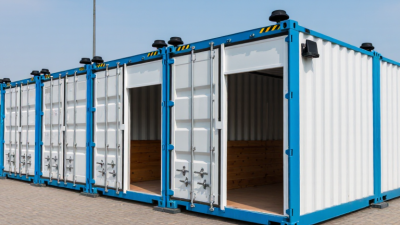
Palletized goods, long items, bulky equipment, and stock that needs frequent side loading. | Side doors improve access but may reduce weather sealing and increase maintenance needs. Inspect seals, locking bars, hinges, and the side-door operating area. |
| 6. 20-Foot Open-Top | Container with removable roof or tarpaulin cover | Approximately 6.06 × 2.44 × 2.59 m (19 ft 10 in × 8 ft × 8 ft 6 in) |
Approximately 5.90 × 2.35 × 2.35 m (19 ft 4 in × 7 ft 8 in × 7 ft 8 in) |
Approximately 32–33 m³ (1,130–1,170 ft³) |
Approximately 2,300–2,700 kg (5,070–5,950 lb) |
Approximately 27,000–28,000 kg (59,520–61,730 lb) |
Crated machinery, construction materials, timber, scrap, and tall goods loaded by crane. | Not the first choice for fully weather-sensitive storage unless the cover and seals are in excellent condition. Confirm roof type, lashing points, door height, and cargo protection. |
| 7. 20-Foot Insulated or Refrigerated | Temperature-controlled or insulated container | Approximately 6.06 × 2.44 × 2.59 m (19 ft 10 in × 8 ft × 8 ft 6 in) |
Approximately 5.45 × 2.29 × 2.26 m (17 ft 10 in × 7 ft 6 in × 7 ft 5 in) |
Approximately 28 m³ (990 ft³) |
Approximately 2,800–3,500 kg (6,170–7,720 lb) |
Approximately 26,000–27,000 kg (57,320–59,520 lb) |
Temperature-sensitive products, cosmetics, pharmaceuticals, food-related goods, and moisture-sensitive inventory. | Refrigerated units require a reliable power supply, regular equipment servicing, and temperature monitoring. Insulated units without an operating refrigeration system do not actively control temperature. |
Choosing a shipping container storage unit starts with usable space, not advertised dimensions. Measure the items, doorways, and handling equipment before ordering. A standard unit may lose internal space because of wall ribs, corner posts, and insulation panels.
For pallets or bulky equipment, door width matters as much as floor area. Measure twice. I once underestimated clearance for a loaded trolley, creating unnecessary unloading work. That mistake was avoidable. Consider internal height too, especially when stacking cartons or installing shelving. Leave room for airflow and safe access.
Material quality strongly affects service life. Inspect the steel for deep rust, patched holes, warped panels, and weak welds. Weather-resistant coatings help, but they do not repair damaged metal. Check the roof for standing-water marks and examine door seals for cracks. A reliable unit should have sound hinges, a protected lock area, and doors that close evenly. Add ventilation openings with insect-resistant covers where condensation is likely. Security should discourage unauthorized access without blocking routine inspections. Use a strong locking system and keep valuable contents away from direct visibility.
Ask for recent photographs, structural details, coating information, and maintenance records. These documents reveal more than polished sales language. Confirm whether the unit was tested for wind, rain, and temperature changes. Regional weather matters; coastal air can accelerate corrosion, while cold climates may stiffen seals. Supplier claims still require checking. A careful inspection may feel slow, but replacing a poor unit costs more.
For global buyers, the seven most practical storage choices include standard dry, high-cube, side-opening, double-door, insulated, ventilated, and refrigerated containers. Each suits a different storage problem. Standard units work for household goods and tools. High-cube models provide extra height for shelving. Side-opening units simplify access to pallets. Double-door designs improve loading efficiency. Insulated units help control temperature changes. Ventilated units suit goods needing airflow. Refrigerated units require specialist power and monitoring.
Shipping costs and import requirements
Shipping costs depend on size, route, port congestion, and inland delivery. Import rules vary by destination. Check customs documents, cargo declarations, taxes, and local placement permits before payment. Used containers may require inspection certificates or treatment records.
I once underestimated crane access at a narrow site. The delivery was delayed. Measure entrance widths, overhead cables, ground strength, and turning space carefully. Installation also needs a level foundation, safe drainage, and secure doors.
Tips:
Ask the supplier for recent photos, internal measurements, floor condition, and repair history. Confirm whether the quoted price includes shipping, unloading, and placement.
Keep ventilation paths clear during use. Inspect roof seams after heavy rain. Lubricate hinges and locks every few months. Remove standing water quickly.
A simple moisture meter can reveal hidden problems. Maintenance plans are often overlooked, yet they protect stored materials over many years. Recheck local requirements when the unit changes location.