China Top 10 Shipping Container Self Storage Manufacturers
China’s shipping container self storage market has moved beyond simple steel boxes and padlocks. Manufacturers now compete through insulation, ventilation, corrosion protection, modular design, and installation support. A well-built unit should survive humid coastal air, heavy rain, repeated loading, and years of daily customer use.
This guide examines China’s top 10 shipping container self storage manufacturers through practical criteria. These include steel quality, welding consistency, coating systems, door security, drainage, customization, delivery capacity, certifications, and after-sales service. We also consider real operating details. Does the door remain aligned after frequent opening? Can air circulate inside a unit measuring several meters long? Are replacement parts available after installation?
Anne Ballard, a respected self-storage consultant and industry educator, has often emphasized, “Self-storage is a convenience business.” That principle matters here. A manufacturer may offer attractive pricing, yet poor access design can frustrate customers and increase site-management costs. A clean finish is not enough.
The strongest suppliers usually provide drawings, load guidance, packing information, and clear warranty terms. Some also support container offices, drive-up units, color matching, and large-scale site planning. However, no ranking is perfect. Factory scale does not always equal better service, and polished product photos may hide practical weaknesses.
Buyers should verify specifications directly. Ask for material thickness, coating details, drainage plans, testing records, and references from completed projects. Our comparison aims to make that process easier, while recognizing one uncomfortable truth: the cheapest container can become the most expensive choice when repairs, delays, and customer complaints begin.
How China’s Shipping Container Self-Storage Manufacturing Industry Works
China’s shipping container self-storage industry begins with standard cargo boxes, usually 20-foot or 40-foot units. Manufacturers inspect weathered steel, remove corrosion, and measure each panel before cutting. ISO 668 defines container dimensions, while ISO 1496 sets key strength and testing requirements. These standards help factories control structural safety.
The production line then welds frames, roof panels, doors, and locking points. Workers add ventilation slots, floor protection, insulation, and electrical channels when customers request climate control. Surface preparation matters. A poor coating can fail quickly in humid coastal cities. Factories often use blasting, primer, and weather-resistant paint, followed by water-leak and door-seal checks. UNCTAD’s Review of Maritime Transport 2024 reports that shipping carries over 80% of global trade by volume. This large container ecosystem supports steady material supply and standardized production. However, reuse is not automatically sustainable. Transport distance, steel replacement, and insulation materials can change the real environmental cost.
Tips: Ask for ISO-based inspection records, weld-quality checks, coating thickness, and drainage details. Visit the factory if possible. Photos can hide defects. Confirm local fire, planning, and accessibility requirements before installation.
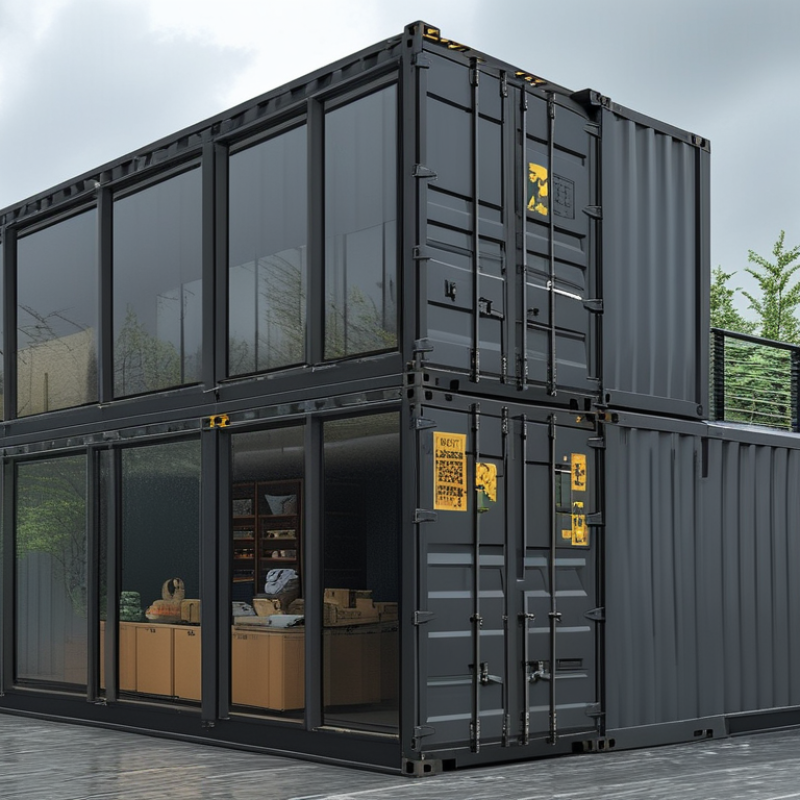
Manufacturers increasingly offer modular layouts with external corridors, security lighting, and stackable storage rooms. Digital cutting improves consistency, but manual welding still influences final quality. This is an imperfect process. Human inspection remains necessary. Reports from the World Steel Association also show steel production carries significant emissions, so durable design and repairable components deserve more attention.
Profiles of the Top 10 Chinese Shipping Container Storage Manufacturers
China Top 10 Shipping Container Self Storage Manufacturers
Profiles of the Top 10 Chinese Shipping Container Storage Manufacturers
This profile guide evaluates ten leading Chinese manufacturers through practical storage requirements. “Top” means more than production capacity. It includes steel quality, welding consistency, coating durability, delivery control, and after-sales support. Each manufacturer profile should be checked against inspection records, material certificates, and real project evidence. Factory visits can reveal details that brochures often miss.
One manufacturer may specialize in modified containers with side doors and internal partitions. Another may focus on weather-resistant storage units for coastal locations. Several manufacturers provide ventilation panels, lock boxes, reinforced floors, and modular layouts. Some have strong export experience and clearer documentation. Others offer flexible customization but need closer quality supervision. Not every factory excels equally.
Reliable profiles should examine cutting accuracy, weld penetration, roof drainage, and door sealing. Sample units deserve careful inspection before large orders. Ask about salt-spray testing, paint systems, load limits, and replacement-part availability. Traceable production photos can strengthen confidence, but they are not a substitute for independent inspection. Details matter. A few manufacturers may quote attractive prices while overlooking installation guidance or long-term maintenance. That gap matters. Buyers should compare total service life, not only the first invoice. Regional climate, site access, local codes, and security expectations also influence the final choice. Careful comparison produces a more useful shortlist than rankings based only on factory size.
How to Select a Reliable Chinese Container Self-Storage Manufacturer
Selecting a reliable Chinese container self-storage manufacturer requires more than checking price lists. UNCTAD’s Review of Maritime Transport 2023 projected containerized trade growth of 3.2% in 2024. Demand is expanding, but quality differences remain significant. Ask for factory videos, production records, welding procedures, and recent project references. A serious supplier should explain steel grades, coating systems, drainage design, ventilation, and door hardware in clear technical language.
Inspect a sample unit before signing a large order. Check weld penetration, corner alignment, floor loading, lock protection, and water resistance after simulated rain. Request independent test reports for coating adhesion, salt-spray performance, and structural loads. ISO 1161 corner fittings and ISO 1496 container-related requirements can help create a practical technical baseline. However, a certificate alone proves little. Match each document to the actual model, materials, and factory address.
The World Bank’s Logistics Performance Index 2023 shows that shipment reliability depends heavily on tracking, customs handling, and infrastructure. Your manufacturer should provide a realistic production schedule, packing plan, inspection stage, and spare-parts list. Confirm whether replacement panels and seals remain available after delivery. Some buyers focus too much on attractive renderings. I have found that small details, such as hinge clearance and condensation control, often decide long-term performance. No supplier is perfect. Leave room for independent inspection and revise specifications when testing exposes weaknesses.