East Rand Containers

2026 Best Shipping Container Self Storage Types?

Choosing the right shipping container self storage format in 2026 requires more than comparing rental prices. Site layout, weather exposure, customer access, and local approval requirements all influence the result. A 20-foot container may suit household items, while a 40-foot unit can support business inventory or seasonal equipment. The difference becomes obvious when a customer needs a trolley, ventilation, or evening access.

David C. Smith, a respected self-storage industry analyst, has said, “Self-storage is a simple business, but not an easy business.” His observation fits container-based storage perfectly. Steel boxes look straightforward, yet placement, drainage, locks, insulation, lighting, and surveillance demand careful planning. One weak detail can affect customer trust.

This guide examines the leading shipping container self storage types for 2026. It compares ground-level container yards, modified containers, portable units, and multi-container facilities. Each option has strengths. Each also has limits. Portable storage may offer flexibility, but delivery access can become difficult on narrow streets. Ground-level yards can improve convenience, although heat and condensation remain practical concerns. Modified units may feel more comfortable, but upgrades increase cost and maintenance.

The best choice depends on real usage, not appearance. Measure the site. Check access routes. Consider seasonal weather. Confirm professional compliance before installation. No option is perfect. However, a transparent comparison can prevent expensive mistakes and create a safer, more reliable storage experience.
2026 Best Shipping Container Self Storage Types?

What Are the Main Types of Shipping Container Self-Storage?

In 2026, shipping container self-storage mainly falls into four practical types: ground-level units, stacked units, modified containers, and climate-controlled containers. Ground-level units offer direct vehicle access, making them useful for furniture, tools, and business inventory. A 20-foot container provides about 33 cubic meters of internal space, while a 40-foot unit offers roughly twice that capacity. However, bigger is not always better. A full 40-foot unit can become difficult to organize without shelving or clear walkways.

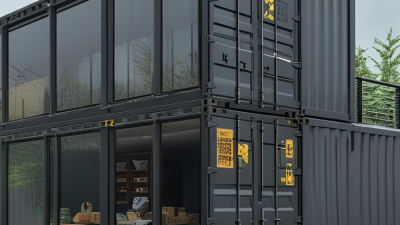
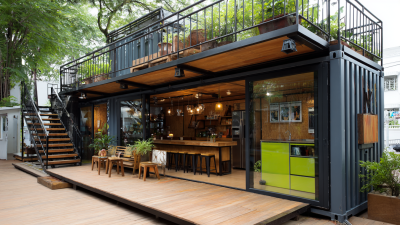
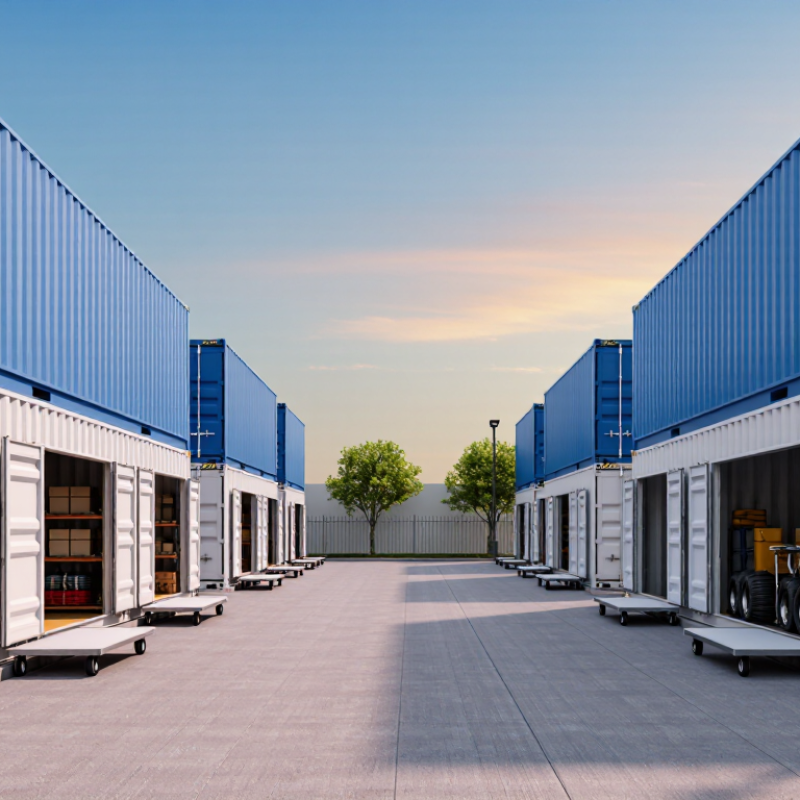
Stacked container storage uses reinforced units in two or more levels. It saves land and can reduce site costs, but access may require stairs, lifts, or scheduled handling. Modified containers usually include roll-up doors, ventilation, lighting, and internal partitions. They feel closer to conventional storage rooms. Their convenience depends heavily on workmanship, drainage, and lock protection. Small details matter.

Climate-controlled container storage is designed for documents, electronics, textiles, and temperature-sensitive stock. It normally costs more and requires reliable power and monitoring. The 2024 Self Storage Association Demand Study reported 16.1 million U.S. households using self-storage, showing strong demand for flexible space. Yet the report does not mean every container format suits every customer. Local weather, loading frequency, security design, and insurance conditions should guide the choice. The categories also overlap; a modified ground-level unit may be climate-controlled, while a stacked unit may not be.

How Do Single-Container Storage Units Work?

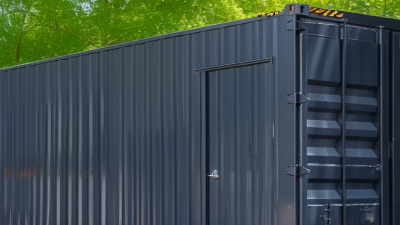
A single-container self-storage unit is one steel container rented for personal or business storage. The provider delivers it to a prepared site, then places it on firm, level supports. You typically load your belongings through the container’s wide end doors. A personal lock controls access.

Think of it as a private room.

This setup works well for furniture, tools, seasonal equipment, and boxed inventory. Before loading, inspect the floor, door seals, and ceiling for moisture or damage. Raise cartons on pallets, especially during wet seasons. Leave a small gap between stored items and the walls. That space improves airflow and makes inspections easier. A desiccant unit can help, but it cannot fix a leaking container.

Access arrangements vary. Some sites allow visits during set hours, while others require appointments. Ask how delivery vehicles reach the unit and whether staff move containers after placement. Confirm the ground conditions, lighting, surveillance, insurance expectations, and notice period before signing. Details matter.

A single container also has limits. It may become hot in summer and cold overnight. Sensitive electronics, paper records, and fabrics need extra protection. Weight must be distributed evenly, with heavier boxes low and near the center. Do not block the doors.

From practical storage planning, the simplest arrangement is often the easiest to manage. Still, I would not treat every container as equally secure or weatherproof. A careful inspection beats an attractive price, and a written condition report prevents avoidable disputes.

What Are Multi-Container and Modular Storage Systems?

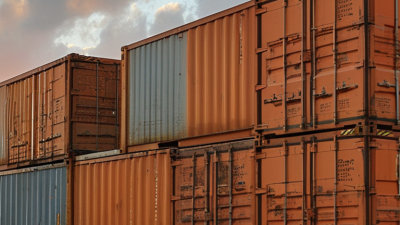
Multi-container and modular storage systems offer two practical paths for expanding self-storage capacity. A multi-container system places several standardized steel containers in rows, often with gravel, drainage channels, and a turning area for delivery vehicles. Operators can add units as demand grows. A modular system uses engineered modules joined into larger buildings, creating wider corridors, interior rooms, and controlled access points.

The demand is measurable. The 2024 Self Storage Association Demand Study reported that 16.7 million United States households rented storage in 2023. That figure supports flexible capacity planning. UNCTAD’s Review of Maritime Transport 2024 also recorded a global container ship fleet above 30 million TEU, showing the scale of standardized container supply. Availability still varies by region, age, and structural condition.

Container rows usually suit quick deployment and smaller sites. Modular buildings provide better insulation and a cleaner customer experience, especially for sensitive household goods. Site inspections should check door alignment, roof corrosion, floor strength, ventilation, fire access, and stormwater movement. A 20-foot unit may fit a compact load, while a 40-foot unit needs careful circulation planning. Mistakes happen.

Modular construction can shorten schedules, but published construction studies often describe broad building projects, not storage sites specifically. McKinsey research has reported potential schedule reductions of 20–50% for modular construction, yet local approvals may remove much of that advantage. The best choice depends on land shape, climate, access, security planning, and long-term expansion needs.

How Do Climate-Controlled Container Units Compare?

2026 Best Shipping Container Self Storage Types?

Climate-controlled container units protect stored goods from heat, cold, and moisture swings. They use insulation, ventilation, and controlled temperature systems. This matters for furniture, electronics, documents, instruments, and sensitive household items. A standard steel container costs less, but its interior can become extremely hot. Condensation may also form on the ceiling after cold nights. That detail is easy to miss.

During practical storage planning, I would check the unit’s internal temperature range, humidity control, drainage, and door seals. Ask whether the system monitors conditions continuously or only runs during set hours. Inspect the floor for damp areas. Touch the metal walls on a warm afternoon. They can reveal weaknesses quickly. Climate control is not automatically better for every item. Durable tools, bicycles, and sealed plastic containers may need only a dry, secure unit. The right choice depends on duration, local weather, and replacement costs. My earlier assumption was that insulation solved everything. It does not.

Tips: Keep boxes raised above the floor. Leave a small air gap around walls. Use breathable covers instead of airtight plastic for fabric goods. Label each container with an inventory date. Check moisture-sensitive items monthly during the first season. If condensation appears, improve airflow before adding more belongings. A cheap thermometer can expose expensive problems.

Which Shipping Container Self-Storage Type Fits Your Needs?

Choosing the right shipping container self-storage type starts with your items, access habits, and available space. A standard 20-foot container suits household boxes, tools, bicycles, and seasonal furniture. It needs less ground space and usually allows easier placement. A 40-foot unit offers far more capacity, but turning and positioning can become difficult on smaller properties.

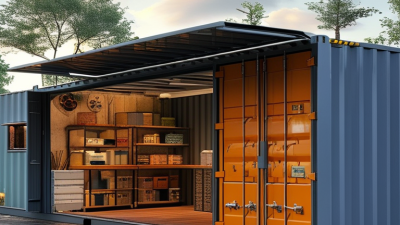
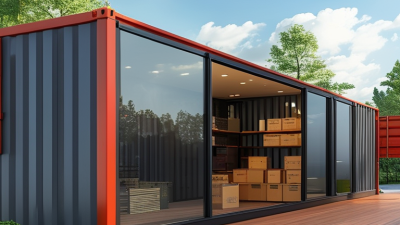
A side-opening container works well when you need frequent access. Its wide doors let you reach furniture without unloading everything near the entrance. This design can help tradespeople, small businesses, and families storing bulky equipment. A high-cube container provides extra internal height for shelving, tall cabinets, and stacked cartons. However, its greater height may affect site clearance and local placement requirements.

For sensitive belongings, an insulated or ventilated conversion may fit better than a basic steel unit. Standard containers can become extremely hot in direct sunlight. Moisture can also damage paper, fabric, and untreated metal. Use raised pallets, breathable covers, and a simple moisture monitor. Keep airflow paths open.

I have seen people choose the largest unit too quickly. It felt convenient, but unused space increased handling and site costs. Measure your largest item first. Sketch the door swing and walking paths. Leave room for future access, not just today’s load. A qualified supplier should explain floor condition, lock placement, ventilation, delivery access, and safe loading limits before installation.

2026 Best Shipping Container Self Storage Types? - Which Shipping Container Self-Storage Type Fits Your Needs?

A practical comparison of common shipping-container formats used for secure, ground-level self-storage. Dimensions and usable capacity are approximate because construction, door hardware, insulation, and interior lining can vary.

Container Self-Storage Type Typical External Size Approx. Internal Floor Area Approx. Internal Volume Best For Main Advantages Important Limitations Recommended Access & Protection
8-Foot Standard Container About 8 ft L × 8 ft W × 8 ft 6 in H
(2.44 m × 2.44 m × 2.59 m)
About 58 sq ft
(5.4 m²)
About 430 cu ft
(12.2 m³)
Seasonal tools, garden equipment, bicycles, archive boxes, and small household inventories. Small footprint Ground-level access Lower rental cost Limited room for bulky furniture; loading and ventilation require careful planning. Use a weather-resistant lock, raised shelving, desiccant or passive ventilation, and a dry, level base.
10-Foot Standard Container About 10 ft L × 8 ft W × 8 ft 6 in H
(3.05 m × 2.44 m × 2.59 m)
About 72 sq ft
(6.7 m²)
About 570 cu ft
(16.1 m³)
Apartment contents, small business stock, renovation materials, and motorcycles. Compact storage Easy organization Good for narrow sites Not ideal for a full multi-room household; standard doors may make wide items harder to load. Install shelving along the sides, keep a central walkway, and protect contents from condensation and floor moisture.
20-Foot Standard Container About 20 ft L × 8 ft W × 8 ft 6 in H
(6.06 m × 2.44 m × 2.59 m)
About 150 sq ft
(13.9 m²)
About 1,170 cu ft
(33.1 m³)
Typical household contents, furniture, appliances, business inventory, and construction supplies. Most versatile size Efficient capacity Widely transportable Long interior depth can make rear items difficult to reach without a packing plan; unmodified steel walls can condense. Use pallets or a raised floor, label cartons by zone, leave ventilation gaps, and choose a lockbox-compatible locking system.
20-Foot High-Cube Container About 20 ft L × 8 ft W × 9 ft 6 in H
(6.06 m × 2.44 m × 2.90 m)
About 150 sq ft
(13.9 m²)
About 1,320 cu ft
(37.4 m³)
Tall shelving, stacked cartons, trade equipment, and inventory that benefits from extra vertical clearance. Extra height More usable volume Good for racking Requires greater overhead clearance for delivery and placement; upper storage needs safe access equipment. Verify site clearance, secure shelving against movement, and avoid unstable high stacking.
40-Foot Standard Container About 40 ft L × 8 ft W × 8 ft 6 in H
(12.19 m × 2.44 m × 2.59 m)
About 305 sq ft
(28.3 m²)
About 2,390 cu ft
(67.7 m³)
Large household moves, commercial stock, event equipment, and long-term bulk storage. High capacity Lower cost per cubic foot Suitable for bulk goods Needs a long, accessible placement area; the deep layout can reduce convenience for frequently accessed items. Reserve a clear vehicle approach, create labeled storage zones, and place frequently used goods near the doors.
40-Foot High-Cube Container About 40 ft L × 8 ft W × 9 ft 6 in H
(12.19 m × 2.44 m × 2.90 m)
About 305 sq ft
(28.3 m²)
About 2,690 cu ft
(76.3 m³)
Maximum-volume storage, tall commercial inventory, bulky equipment, and warehouse overflow. Largest common volume Extra vertical space Efficient for bulk storage Most demanding for delivery access, foundation preparation, security, and internal organization. Confirm height and turning clearances, use professional placement planning, and add internal lighting if permitted.
Side-Opening Container Usually available in 20 ft or 40 ft lengths; side-door dimensions vary by design. Similar to the equivalent standard-length container. Similar to the equivalent standard-length container. Palletized goods, furniture, retail stock, long items, and inventories requiring frequent access. Wide loading access Fast stock handling Easier zoning Additional doors can increase purchase cost, inspection needs, and potential weather-sealing points. Keep the side-opening area unobstructed, inspect seals regularly, and use compatible locks on every access point.
Insulated or Lined Container Commonly based on 10 ft, 20 ft, or 40 ft container footprints; lining reduces interior clearance. Usually slightly less than the unlined equivalent. Usually slightly less than the unlined equivalent. Documents, electronics, furniture, textiles, artwork, and goods sensitive to temperature swings or condensation. Better temperature stability Reduced condensation risk Improved finish Insulation alone does not provide precise climate control; poor ventilation can still cause moisture problems. Use passive vents or approved climate equipment, monitor humidity, and keep contents away from walls.
Modified Secure Storage Container Usually a standard container with added personnel doors, vents, shelving, lighting, or security upgrades. Depends on modifications and interior fittings. Depends on modifications and interior fittings. Managed self-storage sites, tools, high-value inventory, records, and frequent-access business storage. Custom layout Improved usability Enhanced security options Modifications can reduce cargo space and may require planning permission, electrical work, or additional maintenance. Use tamper-resistant hardware, monitored lighting where appropriate, ventilation, and documented inspection procedures.

Selection guide: Choose an 8–10 ft unit for compact personal storage, a 20 ft unit for most household or small-business needs, a 40 ft unit for bulk inventory, a high-cube model for extra vertical capacity, a side-opening model for frequent loading, and an insulated or modified unit for moisture-sensitive or higher-security requirements. Always confirm local delivery access, ground conditions, permits, ventilation requirements, and insurance rules before installation.