
7 Best Shipping Container Self Storage Solutions?
Choosing the right shipping container self storage solution is rarely as simple as selecting the lowest monthly price. A container may look sturdy, yet its condition, ventilation, placement, and access can greatly affect long-term performance. This guide examines seven practical options for homes, farms, small businesses, and construction sites. Each solution is considered through security, weather protection, mobility, cost, and everyday convenience.
A reliable setup begins with a sound, level surface and clear delivery access. Check the doors, seals, locking bars, and roof for visible damage before storing anything valuable. Moisture can collect inside on cold mornings, so airflow and moisture control deserve serious attention. Weather-resistant locks help, but they do not replace regular inspections. Local planning rules, site requirements, insurance conditions, and provider policies should also be confirmed before installation.
No option is perfect.
Some portable units offer flexibility but provide less usable space. Larger containers hold more equipment but may require stronger foundations and wider access routes. Modified units can improve comfort and organization, although customization raises the total cost. The following seven solutions compare these trade-offs honestly, using practical details rather than exaggerated promises. Expect a few compromises. Careful planning usually matters more than choosing the newest container.
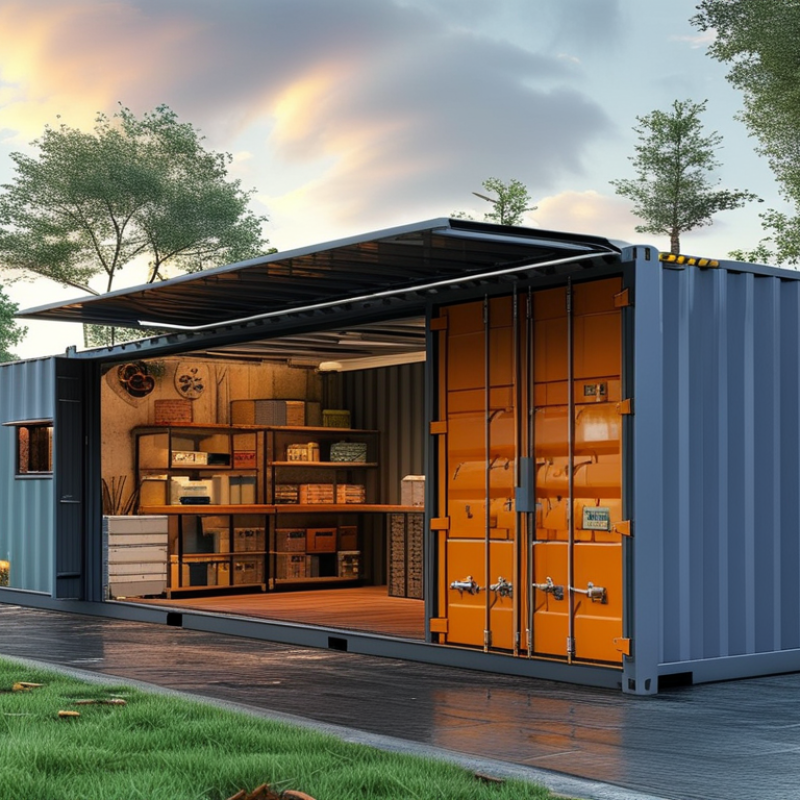
What Are Shipping Container Self-Storage Solutions?
Shipping container self-storage solutions use engineered steel containers as secure, movable storage units. Most follow ISO dimensions, commonly measuring 20 or 40 feet long. A 20-foot unit provides about 160 square feet of floor space, depending on the internal design. It can store furniture, tools, seasonal equipment, or small-business inventory.
The solution normally includes several formats: individual outdoor units, drive-up rows, converted containers with ventilation, insulated units, mobile containers, business storage yards, and stacked or modular layouts. Each option serves a different need. Drive-up access suits heavy equipment. Insulation helps protect documents and electronics from temperature swings. Ventilation matters in humid climates. Space comes first.
The U.S. Self Storage Association’s 2023 Demand Study reported that 12.6 million households currently rented self-storage. That figure shows continuing demand for accessible, flexible space. However, a container is not automatically storage-ready. Operators should inspect door seals, roof condition, floor treatment, drainage, airflow, and internal moisture levels. The Container Owners Association provides technical guidance on container inspection and safe handling, which supports a more reliable assessment process. In practice, I would measure the largest item twice before choosing a unit. A container can look spacious outside, yet feel restrictive after shelving is installed. That is the weak point many buyers overlook.
7 Best Shipping Container Self-Storage Solutions? – What Are Shipping Container Self-Storage Solutions?
| Storage Solution | Typical Container Size | Approximate Internal Capacity | Best For | Recommended Features | Important Considerations |
|---|---|---|---|---|---|
| 1. Standard 20-Foot Container Storage | Approximately 20 ft long × 8 ft wide × 8 ft 6 in high externally | About 1,150–1,180 cubic feet; approximately 146–150 square feet of floor space | Household furniture, appliances, tools, seasonal items, and small business inventory | Ventilation, a weather-resistant lock box, internal lighting, and adjustable shelving | Requires a level, well-drained base and sufficient access space for delivery and loading |
| 2. Standard 40-Foot Container Storage | Approximately 40 ft long × 8 ft wide × 8 ft 6 in high externally | About 2,350–2,400 cubic feet; approximately 300 square feet of floor space | Large household moves, construction materials, commercial stock, and equipment | Heavy-duty shelving, aisle planning, moisture control, and wide-access doors | The longer footprint needs more land and may be difficult to position on restricted or narrow sites |
| 3. High-Cube Container Storage | Usually 20 ft or 40 ft long × 8 ft wide × 9 ft 6 in high externally | Approximately 10% more vertical volume than a standard-height container | Tall equipment, palletized goods, racking systems, and bulky commercial inventory | Tall shelving, safe access equipment, roof ventilation, and adequate overhead clearance | Confirm local height restrictions, transport clearance, and safe limits for stacked goods |
| 4. Modified Container with Side-Access Doors | Commonly based on a 20-foot or 40-foot container with additional side doors | Similar to the original container size, with easier access along the long side | Frequent-access storage, organized inventory, workshops, and multiple-user facilities | Lockable side doors, anti-slip flooring, aisle labels, shelving, and weather seals | Additional doors can reduce wall strength if poorly installed, so professional modification is important |
| 5. Insulated and Ventilated Container Storage | Available in standard 20-foot and 40-foot container footprints | Slightly reduced internal space because of insulation and interior lining | Documents, furniture, electronics, textiles, and goods sensitive to condensation | Vapor control, passive vents, insulated walls and ceiling, raised flooring, and humidity monitoring | Insulation reduces temperature fluctuations but does not provide full climate control in extreme weather |
| 6. Multi-Container Self-Storage Compound | Multiple 20-foot or 40-foot containers arranged on a prepared site | Expandable capacity based on the number and size of containers installed | Commercial storage operators, contractors, farms, and growing inventory requirements | Per-unit locks, perimeter fencing, controlled entry, lighting, cameras, drainage, and fire planning | Planning permission, site access, stormwater management, and local fire and zoning requirements may apply |
| 7. Portable Container Self-Storage | Typically a smaller container or purpose-built portable storage unit delivered to the property | Varies by unit; commonly suitable for a room, renovation area, or limited inventory | Home renovations, temporary relocation, event equipment, and short-term business storage | Ground-level loading, secure doors, ventilation, low-impact placement, and scheduled collection | Check delivery vehicle access, ground conditions, permits, placement duration, and neighborhood restrictions |
Note: Dimensions and capacities are typical industry ranges. Actual internal measurements vary according to container design, door configuration, insulation, flooring, and modifications.
Related Posts
-
How to Choose the Right Container Storage Units for Your Needs?
-
Why Choose Shipping Container Storage Units for Your Business?
-
Best Shipping Container Self Storage Solutions for Your Needs?
-
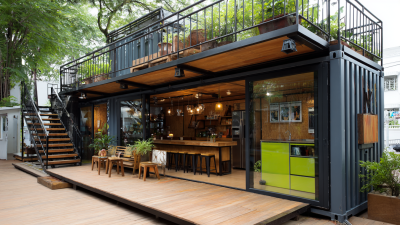
Maximizing Space: Creative Uses of Shipping Container Storage in Urban Living
-
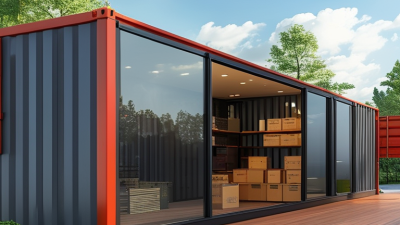
Why Choose Container Self Storage for Your Business Needs?
-
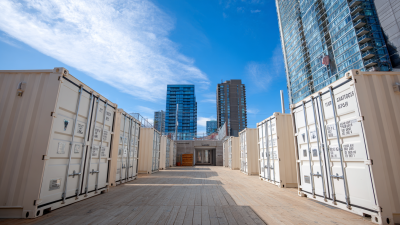
Maximize Your Space with Innovative Container Self Storage Solutions for Urban Living