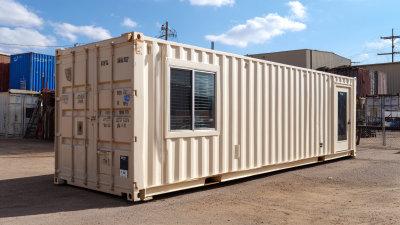
What Is an 8x10 Shipping Container?
An 8x10 shipping container is a compact steel storage unit, usually measuring about 8 feet wide and 10 feet long. Its exact height, door placement, and internal space can vary by manufacturer. The term describes size more than a universal shipping standard. That distinction matters.
Most units provide roughly 70 to 80 square feet of floor space. Usable interior dimensions are smaller because of insulated walls, door frames, and corner posts. A typical unit may hold garden tools, boxed inventory, workshop equipment, or household belongings during a move. Picture two rows of shelving with a narrow walking path between them. Careful planning makes this small footprint surprisingly practical.
Buyers should inspect the steel panels, roof seams, floor condition, locking bars, and ventilation points. A weather-resistant coating helps, but it does not eliminate moisture problems. Condensation can damage cardboard, textiles, and electronics without airflow or moisture control. Ask whether the container is new, refurbished, or cargo-worthy. These labels can mean different things across suppliers, so written specifications are valuable.
An 8x10 shipping container may suit homes, farms, retailers, and construction sites that need secure space without a large footprint. However, it may not be ideal for oversized machinery or frequent loading. The “shipping” label can also create unrealistic expectations. Many 8x10 units are modified storage containers rather than standard ocean cargo equipment. Checking dimensions in person remains wise. Measurements tell only part of the story. Access, placement, local approval requirements, and delivery clearance can determine whether the container works well. This guide explains those practical details clearly, while recognizing that every supplier’s product may differ slightly.
8×10 Shipping Container Basics: An 80-Square-Foot Non-ISO Container Size
What Is an 8x10 Shipping Container?
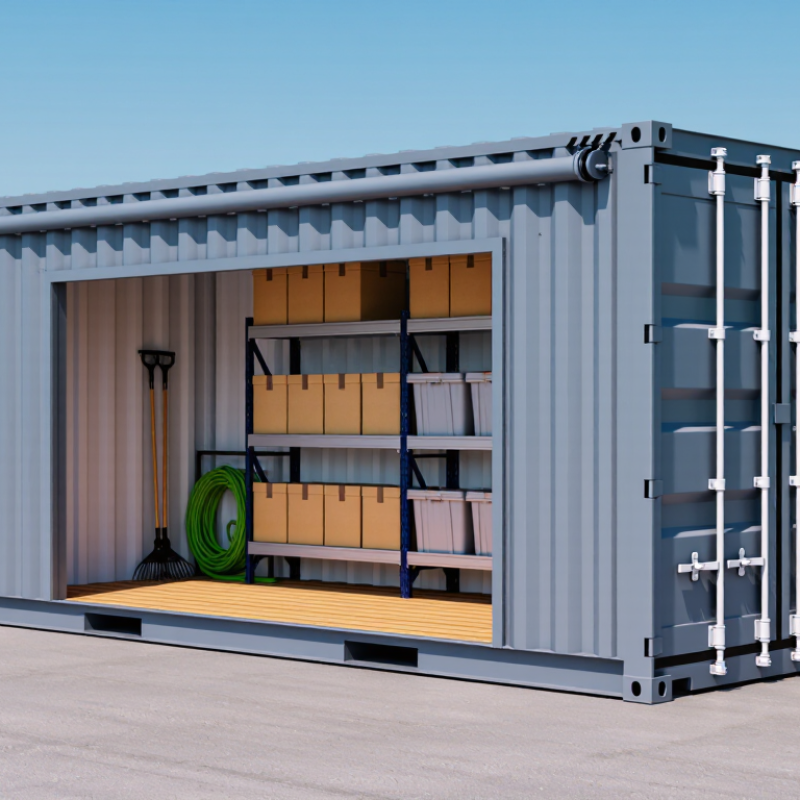
An 8×10 shipping container provides about 80 square feet of floor space. It is a compact, non-ISO container size. The name describes its approximate footprint, not a universal shipping standard. Unlike common intermodal containers, its dimensions can vary by manufacturer, construction method, and intended use. Some units stand about eight feet wide and ten feet long externally, while usable interior space is smaller after wall panels and framing. Ceiling height also needs checking. A few inches can affect shelving, equipment, or stacked materials.
In practical use, this size suits garden tools, seasonal storage, small workshop supplies, or a compact site office. Steel walls offer strong protection, but moisture can still appear when temperatures change. Ventilation, a level base, and a sound door seal matter more than many buyers expect. Moving the unit may also require specialized equipment, because non-ISO containers may not match standard corner fittings or lifting systems. That detail is easy to overlook.
Tips: Measure the delivery path first. Check gates, turns, overhead branches, and ground firmness. Ask for both external and internal dimensions. Confirm door width, floor capacity, ventilation, and lifting points in writing. Do not assume an “8×10” label guarantees identical space. That assumption can cause expensive adjustments. One more thought: plan for future access, not just today’s storage needs.
What Is an 8×10 Shipping Container?
An 8×10 shipping container is a compact, non-ISO container size with a nominal footprint of 80 square feet. The chart compares its floor area with other commonly referenced nominal container footprints.
Areas are calculated from nominal external dimensions: length × width. An 8×10 container measures approximately 8 feet wide by 10 feet long, while actual internal clearance may be smaller because of wall, door, and framing thickness.
Construction Standards: Corten Steel, Corrugated Panels, and Locking Doors
An 8x10 shipping container is compact, but its construction still demands serious engineering. ISO 668:2020 lists the 10-foot series container at about 2,991 millimeters long and 2,438 millimeters wide. That standard also defines dimensional tolerances, corner fittings, and handling requirements. An 8x10 unit should not be judged by appearance alone.
Corten steel is commonly selected for the outer shell because its weathering layer slows further corrosion. However, it is not maintenance-free. The International Organization for Standardization’s ISO 9223:2012 corrosion classification shows that coastal salt, industrial pollution, and persistent moisture can greatly increase atmospheric corrosion risk. Field checks should inspect welds, roof seams, lower rails, and floor supports. Small rust bubbles often reveal trapped water beneath the coating.
Corrugated steel panels add stiffness while keeping the walls relatively light. Their ribs also direct rain away from flat surfaces. Door construction matters just as much. ISO 1496-1:2013 specifies structural tests for lifting, stacking, and load restraint, although a private 8x10 unit may not carry full certification. Locking doors should use aligned vertical bars, reinforced hinges, and a protected hasp. Test the latch repeatedly.
A hard lesson remains: thicker steel does not automatically mean a better container. Poor drainage and weak welds can defeat strong materials.
Weight and Payload: Check Tare Weight, Gross Weight, and Door Capacity
What Is an 8x10 Shipping Container?
An 8x10 shipping container usually measures about 8 feet wide and 10 feet long. Actual internal dimensions vary by construction, insulation, and door design. Weight matters more than compact size when planning transport or storage.
Tare weight is the empty container’s weight. Gross weight is the container, cargo, and equipment together. Payload is the cargo weight allowed after subtracting tare weight from the rated gross weight.
For example, a container weighing 1,500 pounds with a 6,000-pound gross rating has a theoretical payload of 4,500 pounds. The word theoretical matters. Floors, lifting points, vehicle limits, and uneven loading can reduce practical capacity.
Check the door and threshold specifications carefully. A wide opening does not mean the doors can support heavy cargo. Keep concentrated loads away from hinges and door panels.
Use pallets or skids to spread pressure across the floor. Leave clearance for closing hardware. A loaded hand truck can create a sharp impact at the threshold.
Weigh cargo before delivery when possible. Small errors become expensive during lifting or transport. The container’s data plate is useful, but it may not reflect later repairs or modifications.
I have seen tidy weight calculations fail because packaging, pallets, and moisture were ignored. Recheck every figure. Door capacity is often the least understood detail.
A qualified supplier or transport professional should confirm the final loading plan.
Applications and Placement: Storage, Workshops, Access, and Local Regulations
What Is an 8x10 Shipping Container?
An 8x10 shipping container usually measures 8 feet wide and 10 feet long. Its compact footprint suits narrow driveways, side yards, and small commercial sites. Interior space is smaller after wall thickness and door hardware. Expect roughly 640 cubic feet before shelving reduces usable volume. The 2024 Self Storage Association Demand Study reported that 16.7 million U.S. households rented self-storage in 2023. That demand explains the popularity of smaller, accessible storage units. Still, an 8x10 container is not automatically a certified cargo container. Check its construction and condition carefully.
Applications and Placement: Storage, Workshops, Access, and Local Regulations
Use it for tools, seasonal furniture, records, or garden equipment. A workshop needs airflow, safe lighting, and weather-resistant electrical work. Keep heavy items low and distribute weight across the floor. Place the unit on compacted gravel or concrete blocks, not soft soil. Leave enough clearance for doors, drainage, and delivery equipment. Local zoning rules may control setbacks, height, anchoring, appearance, and permitted use. Building officials may also require permits for electrical systems or permanent foundations. Rules vary sharply between neighboring districts.
Tips:
Measure the access route, not only the destination. Record gate width, turning space, overhead branches, and surface strength. Ask the local planning office before delivery. I would also confirm fire separation distances, because online advice is often incomplete. A small mistake can make placement expensive. Recheck the container’s internal dimensions before ordering shelves or workbenches.