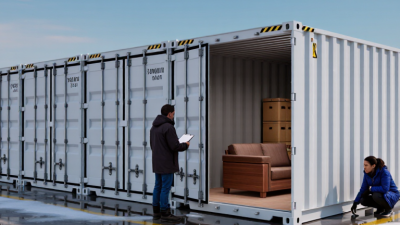
East Rand Containers

Top Storage Container Suppliers in Sydney?

Finding the right storage container in Sydney involves more than comparing prices. Your site, access, and intended use all affect which option will work. A container that suits a building project may not fit a narrow driveway or a busy retail yard. Measure the available space, check delivery access, and consider how often you will need to reach stored items. Details matter.

This guide explores what to look for among storage container sydney suppliers, including container sizes, condition, hire or purchase options, delivery arrangements, and customer support. Ask whether the quoted price includes transport, placement, and collection, and request clear information about any additional charges. Inspect photos carefully, but remember they may not show every dent, seal, or sign of wear. Where possible, confirm the unit’s condition and the supplier’s service area before committing.

The best choice depends on your priorities, not a universal ranking. A lower quote may be less useful if delivery timing is uncertain or the container cannot be placed safely on your property. Not every site fits. Weigh practical details alongside cost, and allow room for a second opinion when specifications are unclear. This comparison is a starting point, not a substitute for checking your site and asking suppliers direct questions.
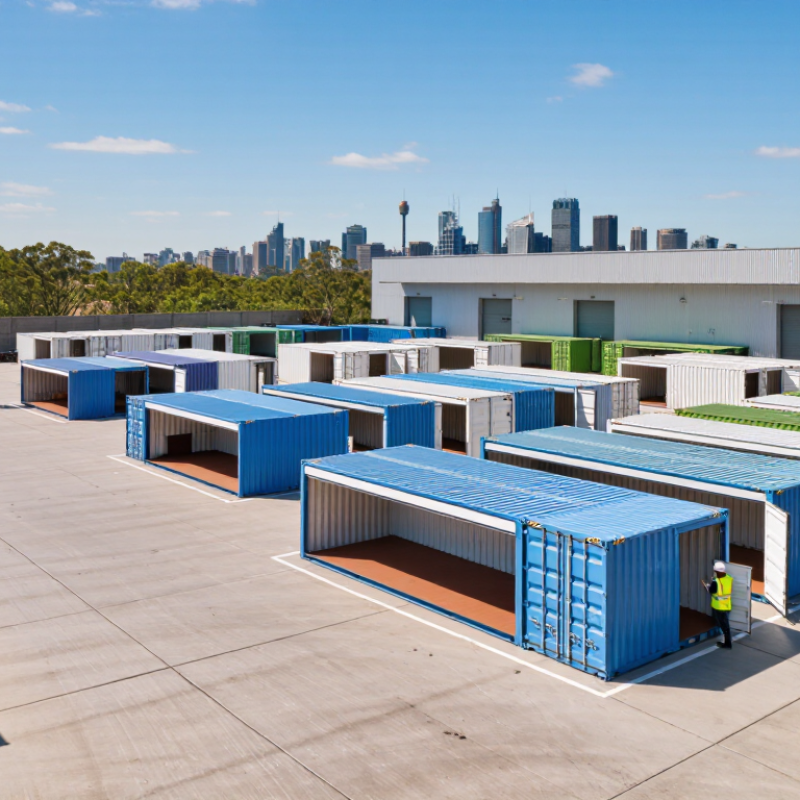
Top Storage Container Suppliers in Sydney?

ISO 668:2020: Standard Dimensions for 20-Foot and 40-Foot Containers

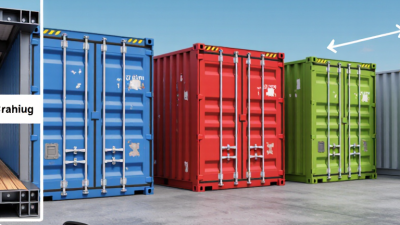
When comparing storage-container suppliers in Sydney, check how each describes container size. ISO 668:2020 specifies the external dimensions and ratings used to classify freight containers. A standard 20-foot container is about 6,058 mm long and 2,438 mm wide. A standard 40-foot unit is about 12,192 mm long, with the same nominal width. The common standard height is 2,591 mm. High-cube versions are typically 2,896 mm tall.

External dimensions are not usable storage space. Wall thickness, flooring, doors, and construction details reduce the interior measurements. A 20-foot container may have roughly 5.9 metres of internal length, while a 40-foot container may offer around 12 metres. Treat these as planning estimates, not guarantees. Door openings can also be narrower and lower than the interior. That matters when loading a pallet or placing bulky equipment.

Measure the actual unit. It is easy to assume every container sold as “40-foot” will fit the same way, but condition and specifications vary. Ask for the external and internal measurements, door-opening dimensions, and the container’s identification plate details. Check access at the site too: a truck needs room to deliver and position the unit. Small discrepancies matter. I would allow extra clearance rather than plan around a perfect fit; that precaution can feel fussy, but it prevents an awkward delivery day.

CSC 1972: Safety Approval and Inspection Requirements for Freight Containers

Top Storage Container Suppliers in Sydney?

CSC 1972: Safety Approval and Inspection Requirements for Freight Containers

When comparing freight containers in Sydney, check the CSC safety approval plate before judging paint or price. The International Maritime Organization’s Convention for Safe Containers requires approved containers to carry a plate showing key details, including maximum gross weight and stacking test values. It also sets inspection routes: a periodic examination scheme, or an approved continuous examination programme. Under periodic examination, the first inspection is due within five years of manufacture, with later inspections no more than 30 months apart.

Check the dates. Small details matter.

A CSC plate is not proof that a container is currently sound. Inspectors should look closely at corner castings, door locking gear, floor damage, and signs of water entry. A fresh coat can hide wear; appearance alone is not evidence. UNCTAD’s Review of Maritime Transport 2024 reports global container-port throughput of 858.7 million TEUs in 2023, underlining the scale of container movement and the value of consistent safety checks.

Ask suppliers for the examination record and confirm that the plate is legible and matches the container. Records can be easy to overlook, even when the box looks ready.

Comparing Sydney Suppliers by Container Grade, Delivery, and Modification Options

Choosing a Sydney storage-container supplier means comparing condition, delivery capability, and modification quality—not just price. ISO 668:2020 lists common nominal external lengths of 6.058 m for 20-foot units and 12.192 m for 40-foot units. Both are about 2.438 m wide. Measure gates, turning room, overhead wires, and ground firmness before confirming a truck or crane. Access first.

Ask what “new,” “cargo-worthy,” or “wind-and-water-tight” means in the supplier’s inspection record. Request dated photos of roof seams, door seals, floorboards, and corner posts; fresh paint alone proves little. ISO 1496-1:2013 specifies structural testing for general-purpose freight containers, but a used unit still needs condition checks. Standards help. Your intended use matters: storing boxed stock may require tighter seals than holding tools under cover.

Compare delivery quotes by including unloading method, site access, waiting time, and placement distance, not merely the suburb. Ask whether the quote assumes a clear, level pad and enough room for the vehicle to deploy its equipment. Modifications such as vents, personnel doors, insulation, or shelving should come with drawings and a written weatherproofing warranty. One caveat: added openings can affect strength and leak resistance, so request evidence that the work was properly engineered and sealed. Even careful comparisons miss something; inspect on delivery and record defects before signing acceptance.

Capacity Guide: 20-Foot Containers at About 33 m³ vs 40-Foot at About 68 m³

When comparing storage container suppliers in Sydney, start with the space you need, not just the external length. A standard 20-foot container holds about 33 m³, while a 40-foot unit holds roughly 68 m³. That is a little more than double. The figures are approximate: wall thickness, container type, and internal fittings can reduce usable space.

Think about the shape of your goods, too. A 20-foot unit may suit boxed stock, tools, or furniture for a small renovation. A 40-foot container offers more room for bulky items, but a long, narrow floor can make access awkward. Measure your largest items, including handles and packaging. Measure twice. Leave a clear aisle if you will need to reach items at the back.

Ask Sydney suppliers for internal dimensions, door opening size, and confirmation of the quoted capacity. Check whether delivery access and the prepared ground can accommodate the unit. A larger container is not automatically the better choice; unused space still costs money. This guide is imperfect, because packing methods change how much fits. A simple floor plan can expose that gap before you book.

Selecting a Supplier: Site Access, Container Condition, Pricing, and Delivery Terms

Top Storage Container Suppliers in Sydney?

Choosing a Sydney supplier starts with the delivery site, not the advertised price. Measure gate width, turning space, overhead clearance, and the ground where the truck or crane will stand. A narrow lane or soft verge can trigger extra handling fees. Ask whether delivery includes unloading, placement, and a confirmed time window. Get any access limits and waiting charges in writing.

Condition needs a clear definition. “Used” can mean anything from weather-tight to visibly worn. Request current photos of the exact unit, including its floor, roof, door seals, and corner posts. Check for daylight through seams, standing water, and damaged flooring. For transport use, confirm the required safety approvals; for stationary storage, ask what inspection or repair standard applies. Photos help, but they cannot reveal every hidden defect.

Compare the full delivered cost: hire or purchase price, transport, crane service, rental period, pickup, and possible redelivery fees. NSW Ports’ 2023–24 annual reporting records about 2.8 million TEU through Port Botany, a useful reminder that container movements operate at substantial scale. That figure does not predict delays at your address, so confirm the supplier’s local delivery terms directly. A low quote may still fit poorly. I would also ask what happens if the truck cannot safely reach the agreed position. The answer can expose gaps in a seemingly simple deal.