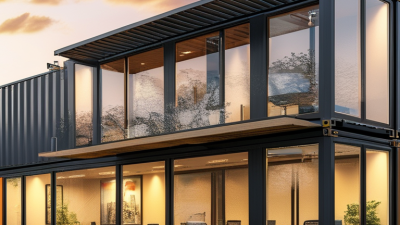
In today's rapidly evolving business landscape, innovative solutions are essential. One such solution gaining traction is the shipping container office. These versatile structures are transforming how companies approach workspace design. With a focus on sustainability and cost-effectiveness, many businesses are turning to these unique offices for their needs.
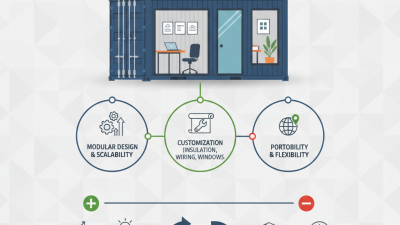
A shipping container office offers a wealth of benefits. They are portable and customizable, making them suitable for various industries. However, not all choices are perfect. Some may struggle with insulation or aesthetics. Yet, for many businesses, these challenges are worth addressing. The advantages often outweigh the drawbacks, especially when speed and flexibility are paramount.
Embracing a shipping container office isn't just about having a workspace; it's about adopting a mindset of innovation. As more companies explore this option, the traditional office concept may evolve. Businesses must remain adaptable and consider what truly works for them. This growing trend deserves attention and reflection, as it points toward a new era of workspace solutions.
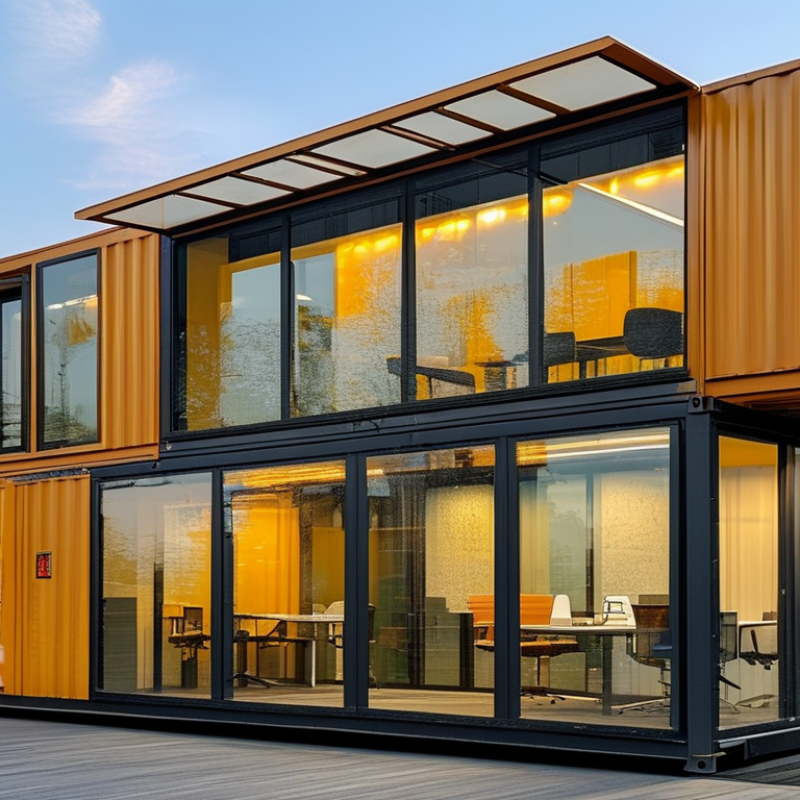
Shipping container offices are gaining traction among modern businesses. According to a report by the American Institute of Architects, using shipping containers can save up to 30% in construction costs compared to traditional building methods. This affordability makes container offices attractive, especially for startups and small enterprises with limited budgets.
Sustainability is another key advantage. Studies indicate that reusing shipping containers significantly reduces waste in landfills. The Environmental Protection Agency (EPA) reported that construction and demolition debris accounts for over 20% of solid waste in the U.S. By opting for shipping containers, businesses contribute to eco-friendly practices while enhancing their brand image.
However, challenges exist. Space constraints can limit design flexibility. While these containers are robust, they may require retrofitting for insulation and utilities, which entails additional costs. Businesses must carefully assess these factors before making a commitment. Understanding the balance between costs, aesthetics, and functionality is vital for optimizing the benefits of this innovative workspace solution.
Shipping container offices are transforming the way businesses operate. They offer a cost-effective solution without compromising on quality. A traditional office setup can be expensive. Rent, utilities, and maintenance add up quickly. In contrast, shipping container offices drastically reduce these costs. You'll save on both construction and long-term expenses.
Tips: Consider location wisely. Placing offices in strategic areas can enhance visibility and accessibility. Insulation is crucial too. Proper insulation ensures that temperature controls are efficient, minimizing energy costs.
Many businesses overlook durability. Shipping containers are built to withstand harsh conditions. Their resilience can save money on repairs and replacements. However, they do require maintenance. Regular inspections will help maintain their integrity and function.
Tips: Personalize your space. A touch of creativity can make your container office more welcoming. Invest in modular furniture. This lets you adapt the space as your business grows.
Shipping container offices are increasingly recognized for their sustainability and environmental benefits. These structures repurpose unused containers, reducing waste and giving them a new life. According to environmental studies, a significant number of shipping containers are left unused. Transforming these containers into offices prevents them from filling up landfills. This aspect of recycling is appealing to businesses focused on eco-friendly practices.
Moreover, shipping container offices can be designed for energy efficiency. Many are built with insulation, solar panels, and energy-efficient systems. This leads to lower energy costs and reduces the carbon footprint of daily operations. However, not every container office will be energy efficient if proper planning isn't in place. Businesses must evaluate their designs carefully to maximize these benefits.
While container offices can be a sustainable choice, challenges do exist. Some containers may require extensive modification, which could lead to waste and increased costs. It's crucial for businesses to weigh these aspects and plan accordingly. Overall, the potential for reduced environmental impact makes shipping container offices an innovative solution worth considering.
| Benefit | Description | Environmental Impact | Cost Savings |
|---|---|---|---|
| Sustainability | Reuses shipping containers, reducing waste and the need for new materials. | Positive impact by utilizing repurposed materials. | Lower material costs due to reuse. |
| Flexibility | Can be easily transported and modified for various uses. | Reduced carbon footprint from transportation. | Minimizes construction downtime and costs. |
| Durability | Built to withstand harsh conditions, lasting longer than traditional buildings. | Less frequent need for replacements reduces waste. | Lower maintenance costs over time. |
| Cost-effectiveness | Generally cheaper than traditional office construction. | Less resource-intensive construction. | Significant savings on construction and operational costs. |
| Customizability | Can be customized to meet specific business needs. | Encourages innovative design that can use local materials. | Allows for unique setups that fit budget constraints. |
| Speed of Deployment | Quick to set up compared to traditional buildings. | Faster deployment means less environmental impact during construction. | Reduces labor costs and project time. |
| Mobility | Easily relocated to different sites as needed. | Encourages resource efficiency by optimizing space use. | Lower relocation costs compared to traditional structures. |
| Reduced Energy Consumption | Can be designed for energy efficiency, utilizing natural light and ventilation. | Minimizes reliance on nonrenewable energy sources. | Lower utility bills and operational costs. |
| Aesthetic Appeal | Stylish designs can attract clients and visitors. | Promotes a modern, eco-friendly business image. | Can increase property value over time. |
| Community Engagement | Supports local economies through reduced building costs. | Eco-friendly projects promote community awareness. | Potential for local grants and funding opportunities. |
Shipping container offices offer remarkable flexibility and customization for modern businesses. According to a report by the World Economic Forum, the global demand for modular construction has surged by 70% in recent years. Companies can easily modify shipping containers to fit their unique needs. This adaptability allows businesses to create open spaces, private offices, or meeting areas based on their requirements.
The customization options are vast. From adding windows and insulation to incorporating solar panels, companies can make their space truly their own. A study from McKinsey found that customized office environments can enhance employee productivity by up to 20%. Shipping containers can also be relocated as business needs change, offering an innovative solution for businesses that grow or shift locations.
Still, potential challenges exist. Not every company will find these spaces ideal. Some businesses may struggle with local zoning laws or find aesthetic limitations with container exteriors. Before fully committing, it’s essential for businesses to assess their unique situation and ensure that a shipping container office aligns with their long-term goals.
Rapid deployment is one of the most significant advantages of using shipping container offices. These structures can be transported and set up quickly, making them ideal for businesses that require immediate workspace. For example, a construction company may need an office on-site within days. A shipping container can be modified to include utilities and internet access, enabling a smooth transition to a functional workspace.
Mobility is another key benefit. When a project relocates, the office can be moved along with it. This adaptability can save companies money on real estate and overhead costs. Moreover, the containers can withstand various environmental conditions. This durability ensures that a business's operations are less likely to be disrupted by weather events.
However, not everything is perfect. Some may find these containers limited in terms of space and design flexibility. The standard dimensions of shipping containers might not suit every business's needs. Companies considering this option must carefully evaluate their specific requirements. Reflecting on these limitations can lead to innovative solutions. Embracing the opportunity for customization might help overcome these constraints.