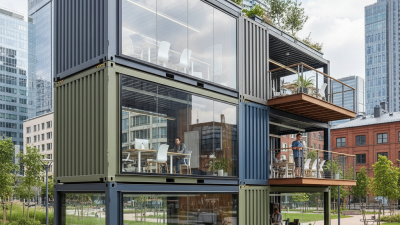
How to Create a Shipping Container Office for Your Business?
Creating a shipping container office has gained significant traction in recent years. According to the Modular Building Institute, the modular construction market is projected to grow by 6.5% annually, reflecting a rising interest in innovative workspace solutions. Peter Jacobs, a leading expert in container architecture, states, "Shipping container offices blend functionality and sustainability in a unique way." This shift towards sustainable options appeals to environmentally conscious businesses.
A shipping container office not only saves costs but also offers flexibility. It can be customized to meet specific business needs. However, challenges can arise with local zoning laws and structural modifications. These factors should not be overlooked when planning your space. Logistics play a crucial role as well, from transportation to installation.
The concept of a shipping container office is more than just a trend; it provides a practical solution for modern businesses. With attention to detail and planning, companies can create effective workspaces in these innovative structures. However, it is vital to consider the long-term implications of such a choice. Each project requires careful thought on design and sustainability.

Benefits of Using Shipping Containers as Office Space in Business
Using shipping containers as office space offers numerous benefits for businesses. They are cost-effective and can be modified easily to suit your needs. Many companies find that container offices save money on construction and utility expenses. The robust nature of shipping containers also provides durability, making them ideal for various environments.
When setting up a container office, consider the layout carefully. Ensure that natural light enters the space. Large windows can enhance the working environment and boost employee morale. Consider incorporating greenery inside. Plants improve air quality and create a pleasant atmosphere.
One tip is to ensure proper insulation. Containers can heat up quickly in sunlight. Effective insulation helps maintain a comfortable temperature, which is crucial for productivity. Additionally, think about the design. An aesthetically pleasing container office can attract clients and inspire employees. Pay attention to colors and furniture choices. These elements can create a welcoming environment.
Essential Considerations for Designing Your Shipping Container Office Layout
Designing a shipping container office requires thoughtful planning and creativity. Start by assessing the space you have and the function of the office. A common misstep is underestimating the need for natural light. Studies show that natural light improves employee productivity by up to 15%. To maximize light, consider adding large windows or skylights. This not only enhances the work environment but also reduces energy costs.
Layout is another . An efficient floor plan should foster collaboration while providing private work areas. Open layouts can boost teamwork but may also lead to distractions. According to a report by the International Facility Management Association (IFMA), 63% of employees prefer a mix of open and closed workspace. Balancing these elements is essential. Incorporate flexible furniture to adapt to varying team dynamics.
Don't forget about insulation and climate control. Shipping containers can be poorly insulated, leading to temperature fluctuations. The American Society of Heating, Refrigerating and Air-Conditioning Engineers (ASHRAE) recommends implementing proper HVAC systems to maintain comfort. Regular evaluation of thermal performance can lead to better energy efficiency. Be prepared to tweak your design as you discover what works best for your team.
Steps to Acquire and Prepare Shipping Containers for Office Use
Acquiring and preparing shipping containers for office use requires careful planning. Start by researching local suppliers and compare prices. It is essential to inspect containers for structural integrity and rust. Look for signs of wear, like dents and cracks, which can compromise usability. Consider the size of the container. A standard 20-foot container might be sufficient for a small office, but larger teams may need more space.
Once you choose a container, prepare it for transformation. Clean out any debris, ensuring it is free of lingering odors. Depending on your needs, insulation may be required. Insulation prevents condensation and maintains temperature. Think about windows and doors for natural light and ventilation. Installation can be tricky, so hiring a professional might be wise.
Remember that not every container is perfect. Some may require repairs. Reflection on your specific needs will guide modifications. Also, consider the layout inside the container. Design the workspace to maximize productivity and comfort. A well-thought-out office can help mitigate any challenges from the container's original design.
Cost Analysis: Budgeting for a Shipping Container Office Setup
When considering a shipping container office, budgeting is key. The overall cost can vary greatly based on location, size, and customization. For a basic unit, expect to spend around $2,000 to $7,000. Always remember to factor in additional costs for insulation, plumbing, and electricity. These essentials make your space functional and comfortable.
Tips: Research local regulations before purchase. Each area has unique zoning laws. Also, consider resale value. A well-designed container can offer a good return on investment. Think about how to incorporate natural light. Large windows can make a container feel more spacious.
Unexpected costs can arise, especially with renovations. Ensure you set aside a contingency budget, ideally 10-20% of your total estimate. Custom interiors can add up quickly. Simple designs may help you stay within budget. Prioritize essential features over luxury items when starting. Always revisit your plan for adjustments. Stay flexible and open to changes as your needs evolve.
Cost Analysis of Setting Up a Shipping Container Office
Compliance with Local Building Codes and Regulations for Container Offices
Building a shipping container office is an innovative solution for many businesses. However, compliance with local building codes and regulations is crucial. Different areas have varying codes. These rules dictate everything from structural integrity to safety features. You might need permits before you start. It's essential to research what your local government requires.
Understanding zoning laws is vital. Some locations may restrict where container offices can be placed. You might encounter issues related to aesthetics or environmental impact. In some cases, you may need to hire professionals to navigate these complexities. Consulting with a local architect can save you time and money. They often have experience with container offices and local regulations.
Proper insulation is another aspect to consider. Depending on your area, you may need to adhere to energy efficiency standards. Many containers are not designed for temperature control. This can lead to discomfort and increased energy costs. Be prepared to invest in insulation and climate control solutions. Addressing these needs early on can prevent future headaches.