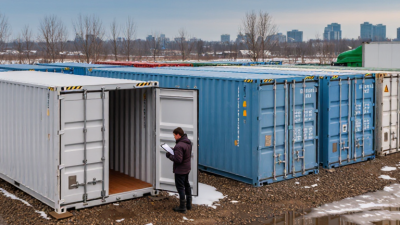
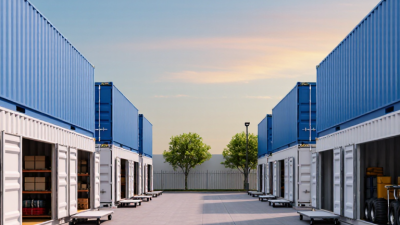
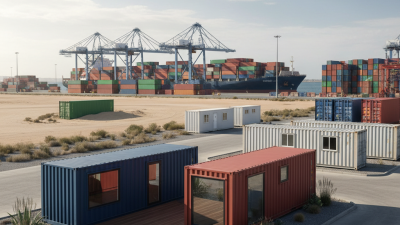
Where to Buy Self Storage Containers in China?
Buying self storage containers in China can offer access to a wide range of sizes, layouts, and customization options. Buyers can search through established B2B platforms, contact container manufacturers directly, or work with sourcing companies that coordinate production and shipping. Each route has trade-offs. A factory may provide clearer production details, while a trading company may offer help comparing several suppliers. The label alone proves little.
The right supplier depends on your intended use, delivery location, budget, and required container specifications. Before requesting a quote, define the dimensions, door arrangement, floor capacity, ventilation, locking points, and finish you need. Ask for recent product photos, technical drawings, warranty terms, and an itemized quotation. Check whether the quoted price includes packing, inland transport, export handling, and ocean freight; these costs can change the final figure considerably. If possible, arrange a factory assessment or use an independent inspection service before shipment. A sample or detailed inspection report can also help confirm workmanship, weld quality, door alignment, and coating consistency.
Be cautious of unusually low prices and vague answers about materials or production schedules. Compare written specifications, not just product photos. Small differences matter. A container that looks suitable online may not meet your site’s access, climate, or storage needs. This guide explains where to buy self storage containers in China and how to assess potential suppliers with practical checks. Some details are easy to overlook, even by experienced buyers, so leave room to revisit your requirements before placing an order.
What Defines a Self-Storage Container in China’s Market?
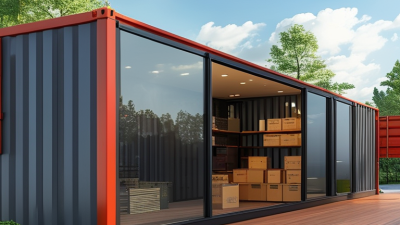
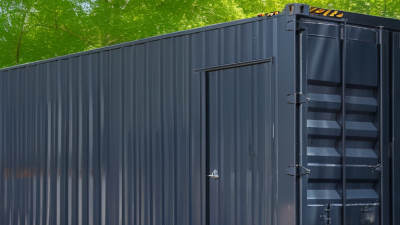
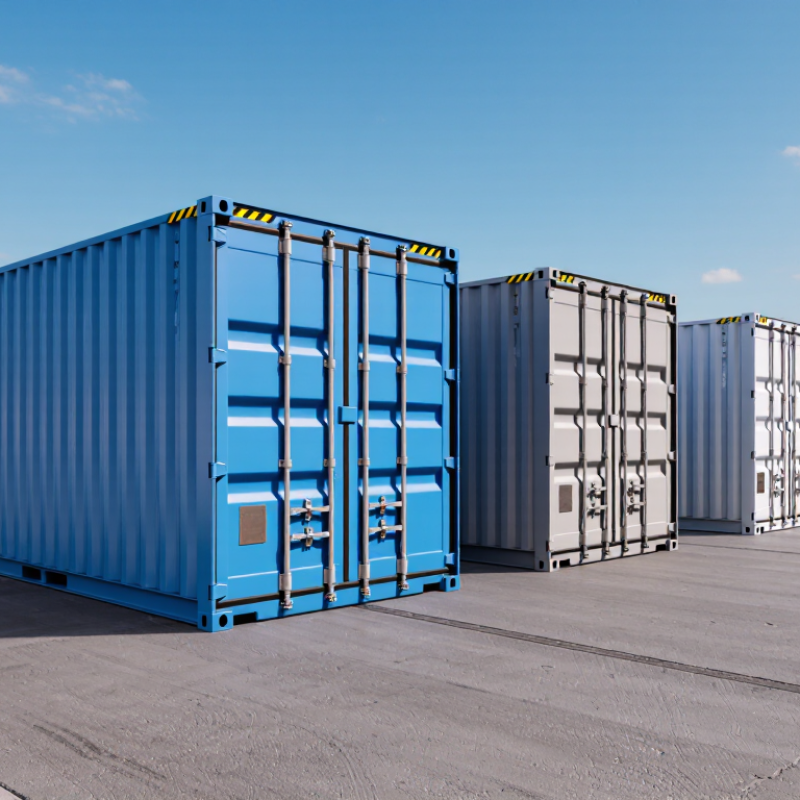
In China’s market, “self-storage container” does not describe one uniform product. The term may refer to a standalone steel unit, a modified shipping container, or a storage module inside a managed facility. These options differ in access, construction, and upkeep. A container placed outdoors gives users direct access, while facility-based units may offer shared gates and staffed management. Buyers should confirm which type is being offered.
The physical details matter. Check the usable interior dimensions, door opening, floor condition, and locking points. A tape measure can reveal whether shelves or bulky items will actually fit. Look for weather seals, drainage around the base, and ventilation; a sealed box is not automatically dry. Ask how the unit is delivered and positioned, since ground softness or poor access can complicate installation. Site requirements also vary, so confirm placement conditions before ordering. Small details count.
The label alone tells you little about insulation, corrosion protection, or security arrangements. Request clear specifications and recent photos of the actual unit, not only a catalog image. For temperature-sensitive belongings, ask how heat and humidity are managed; do not assume a steel wall provides climate control. Even careful buyers can overlook condensation risk. That deserves a second look.
Choose a Size Using ISO 668: 20-ft (6.058 m) or 40-ft (12.192 m)
When sourcing a self-storage container in China, start with the footprint, not the advertised capacity. ISO 668 specifies standard container dimensions, including nominal lengths of 20 ft (6.058 m) and 40 ft (12.192 m). Choose 20 ft for a compact yard, a small storage area, or easier positioning beside a building. Choose 40 ft for long equipment, shelving rows, or bulky seasonal goods. Measure the access route too. A container may fit the site but fail to pass through a narrow gate or tight turn.
Buy from a container fabricator or export-focused dealer in China, and request a dimension drawing for the exact unit. ISO length is an external nominal measurement, not the clear floor length inside. Wall thickness, door frames, and end fittings reduce usable space. Check the interior length, width, and height, as well as the door opening. Ask for recent photos and a condition report. For used units, inspect the floor for soft spots and check for corrosion around corner posts and roof seams. Small detail, big difference. Confirm delivery access, lifting points, and site clearance before paying. I would still compare the drawing with the actual unit; paperwork can look precise while measurements are not.
Where to Buy in China: Factories, Exporters, and B2B Platforms
China offers three practical routes for buying self-storage containers: direct factory sourcing, specialist exporters, and B2B platforms. Factories can customize door placement, ventilation, insulation, and paint, but confirm whether modifications affect delivery time. Ask for a production video, steel specifications, floor-load details, and clear photos of welds and door seals. Get the container’s external and internal dimensions in writing. Small differences matter when units must fit a site plan.
Exporters may coordinate inspection, inland transport, and shipping paperwork, which can help first-time buyers. Yet a trading company is not automatically a factory. Verify its registered business details and ask who handles after-sales issues. B2B platforms make supplier comparisons easier, but listings alone do not confirm build quality. Request a written quotation that separates the unit price, customization, loading, and freight. UNCTAD’s Review of Maritime Transport 2024 reports that global container port throughput reached 858.8 million TEUs in 2023, up 2.4 percent year over year. This signals a busy logistics network, not a guarantee of low shipping costs. Get a current freight estimate before paying a deposit. Check the sample carefully. A rushed purchase can leave you with a container that looks right online but needs costly changes on site.
Where to Buy Self Storage Containers in China? - Where to Buy in China: Factories, Exporters, and B2B Platforms
| Buying channel |
Best suited for |
What you can typically source |
What to verify |
Key considerations |
| Container manufacturers and conversion factories |
Buyers needing custom sizes, layouts, doors, ventilation, insulation, or finishes. |
New steel storage containers and modified units, subject to each factory’s capabilities. |
Factory address, production capability, material specifications, drawings, sample quality, and inspection access. |
Request a written specification and approved drawings before production. Customization may affect lead time and shipping dimensions. |
| Exporters and trading companies |
Buyers seeking export coordination, documentation support, or consolidated orders. |
Standard or customized containers sourced from one or more manufacturers. |
Whether the seller is the manufacturer or an intermediary, who handles quality control, and which export documents are included. |
Clarify the seller’s responsibilities, payment milestones, delivery terms, and process for handling defects or delays. |
| B2B sourcing platforms |
Buyers comparing multiple suppliers and collecting quotations remotely. |
Listings for new, used, standard, and modified storage containers, depending on supplier availability. |
Supplier business records, recent product photos or videos, specification consistency, independent inspection options, and payment protections. |
Treat platform listings as leads rather than proof of product quality. Compare like-for-like specifications and obtain a formal quotation. |
| Container yards and used-container dealers |
Buyers prioritizing availability or lower initial cost over a factory-new unit. |
Used containers, with condition and modifications varying by unit. |
Current photos, door operation, floor condition, corrosion, leaks, repairs, and the container’s intended use. |
Inspect the specific unit where possible. A used container’s condition and cargo certification should not be assumed from its appearance. |
| Regional manufacturing and logistics hubs |
Buyers comparing suppliers across China or planning factory visits and port delivery. |
Supplier options may be found in coastal manufacturing and logistics areas, including parts of eastern and southern China. |
Actual production location, inland transport to port, loading arrangements, and the named port in the quotation. |
A supplier’s registered address, factory location, and port of shipment may differ. Confirm each separately. |
Before placing an order: Specify external and internal dimensions, steel and floor requirements, door configuration, ventilation, coating, quantity, destination, and intended use. Confirm whether the quotation is EXW, FOB, or CIF and identify which costs are included. If the unit will be transported as a cargo-shipping container, confirm applicable certification and carrier requirements; modifications can affect its suitability for shipping.
Compare Supplier Quotes, Incoterms, and Delivery Costs Before Ordering
When buying self-storage containers from China, compare like with like. Ask each supplier to quote the same dimensions, steel thickness, door arrangement, coating, and lockbox. Request clear photos of the floor, corner fittings, and door seals. Small gaps matter. A low price may reflect thinner material or a different finish, not better value.
Check which costs each quote includes. EXW may leave collection and export arrangements to you, while FOB names a loading port and CIF includes sea freight and basic insurance to the destination port. For door delivery, ask whether DAP is available and confirm the exact address. Incoterms define responsibilities, but they do not automatically cover import duties, port handling, unloading, or local permits. Get it in writing. Compare the named place, not just the three-letter term.
Delivery can change the final cost quickly. Ask for a breakdown of inland transport in China, ocean freight, destination charges, customs-related fees, and last-mile trucking. Confirm container dimensions and loaded weight with your carrier; access roads, turning space, and crane availability can affect unloading. Request the expected production and transit windows, plus a written plan for delays or visible damage. I would not choose on headline price alone. Even a careful spreadsheet can miss a site constraint, so verify delivery access before placing the order.