Why Choose Shipping Container Storage Units for Your Business?
In today’s competitive market, businesses need reliable storage solutions. Shipping container storage units have emerged as a practical choice for various industries. These units provide robust security, flexibility in size, and cost-effectiveness compared to traditional storage options.
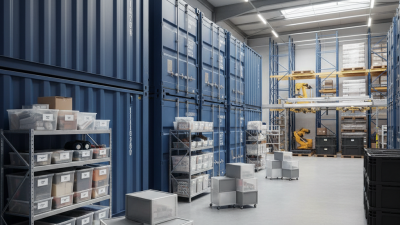
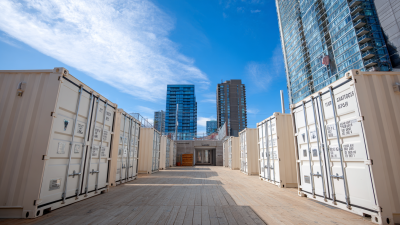
Many businesses face challenges with space and inventory management. Shipping container storage units can be placed on-site or off-site, adapting to your specific needs. They can store tools, equipment, and materials securely. This adaptability makes them a preferred solution for many startups and established companies alike.
However, while these containers offer numerous benefits, businesses must consider their limitations. Weather resistance and insulation may vary across units. Additionally, the location of the unit can affect accessibility. It is essential to weigh these factors carefully before deciding. Understanding these aspects will lead to more informed choices for your business storage needs.
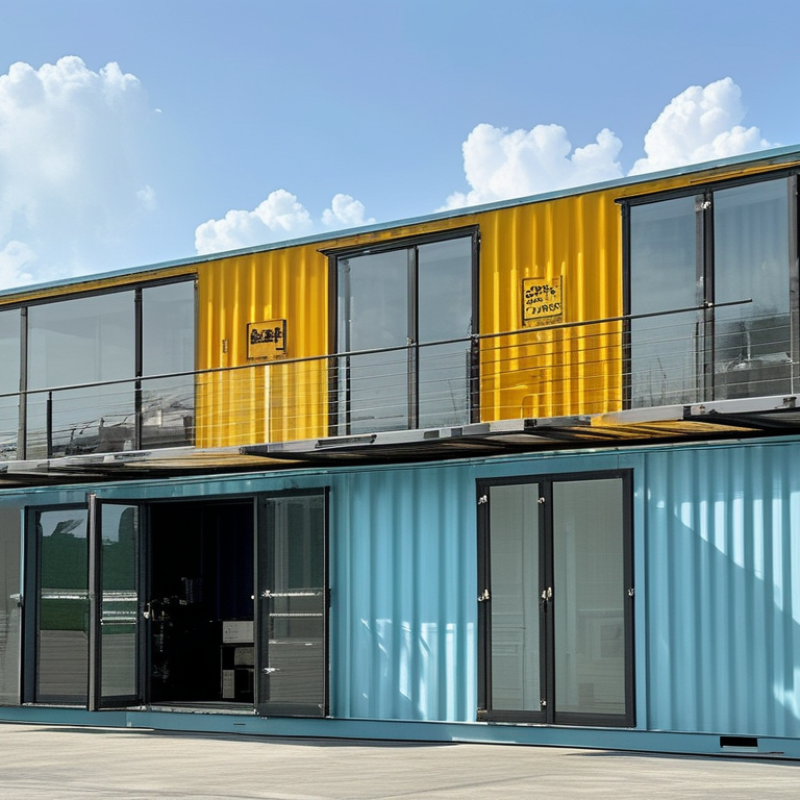
Benefits of Shipping Container Storage for Business Operations
Shipping container storage units are transforming business operations. These versatile units offer numerous benefits that can enhance efficiency and reduce costs. According to a recent industry report by IBISWorld, businesses that utilize container storage can save up to 25% in overall storage costs. This is particularly beneficial for small to medium enterprises that may struggle with high rental fees for traditional storage spaces.
A significant advantage of shipping container storage is their mobility. Companies can relocate containers easily. This flexibility allows businesses to adapt to changing needs quickly. The ability to store inventory onsite can streamline operations and reduce lead times. Furthermore, containers provide excellent security. Heavy-duty steel construction deters theft and weather damage, safeguarding valuable assets.
Tip: When choosing container storage, ensure proper ventilation. This helps prevent mold growth on sensitive items. Regular inspections can identify potential issues early. Also, consider the location of your containers to maximize space utility. Keep accessibility in mind for efficient operations. Remember, while shipping containers bring many benefits, inadequate planning can lead to inefficient storage setups. It's essential to evaluate both your needs and potential limitations.
Why Choose Shipping Container Storage Units for Your Business? - Benefits of Shipping Container Storage for Business Operations
| Benefit |
Description |
Cost Efficiency |
Flexibility |
| Secure Storage |
Steel construction provides excellent protection against theft and vandalism. |
Low overall cost for secure storage compared to traditional facilities. |
Portable and can be relocated based on business needs. |
| Weather Resistance |
Designed to withstand harsh weather conditions, protecting stored goods. |
Minimal maintenance costs compared to traditional storage options. |
Can be used for various purposes as needs change. |
| Speed and Efficiency |
Quick setup and easy access to goods enhances operational efficiency. |
Reduced costs in logistics due to easier handling. |
Adaptable sizes and configurations to match specific requirements. |
| Increased Space |
Maximize use of available land without the need for extensive building. |
Cost-effective expansion of storage capabilities. |
Easily scalable based on business growth. |
Cost-Effectiveness of Shipping Container Storage Solutions
Shipping container storage units offer an impressive cost-effective solution for businesses. According to a study by the Container Ports Authority, renting traditional storage facilities can cost up to 50% more annually than using shipping containers. This difference arises from high rental fees and additional overhead associated with conventional storage options. In comparison, a shipping container can be purchased for a one-time fee, often ranging from $1,500 to $5,000, depending on size and condition.
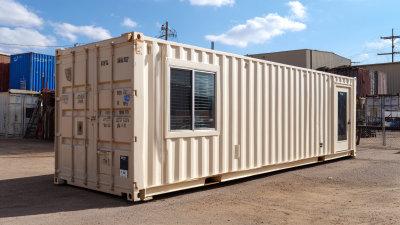
The versatility of shipping containers enhances their value. They can be modified for various uses, such as offices, workshops, or secure storage. Investing in a shipping container not only offers savings but also flexibility. A 2021 report from the Storage Institute highlights that many businesses find container storage scalable, meeting seasonal demands without the long-term commitment of a lease.
However, challenges exist. Containers require maintenance to prevent rust and wear over time, which can incur costs. Additionally, space constraints could limit accessibility and organization. Businesses must weigh the initial savings against potential upkeep expenses. Thoughtful planning around these factors is essential for maximizing the benefits of shipping container storage.
Flexibility and Scalability in Storage Options
Shipping container storage units offer businesses remarkable flexibility. They come in various sizes, making it easy to find the right fit for your needs. Need extra space during peak season? A shipping container can be delivered on short notice. This adaptability allows businesses to respond quickly to changing demands without long-term commitments.
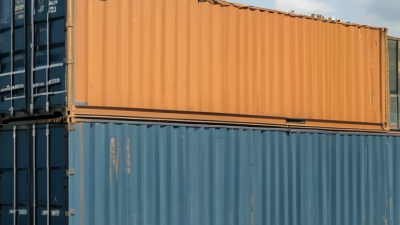
Scalability is another key benefit. As your business grows, your storage requirements may change. With shipping containers, you can easily add more units as necessary. Stacking containers can optimize space in tight locations. However, it’s important to monitor conditions inside. Containers can get hot or humid, so humidity control might be necessary.
The modular nature of these units allows for creative solutions. Businesses can customize layouts, creating dedicated spaces for different purposes. Yet, this flexibility also requires careful planning. Not every layout will work for every company. Some trial and error may be necessary to find what functions best. In the end, the potential for efficient and effective space management is well worth the effort.
Benefits of Shipping Container Storage Units for Businesses
Security Features of Shipping Container Storage Units
Shipping container storage units have gained popularity for their unique security features. These containers are constructed from thick steel, providing a robust barrier against theft. Their solid design makes breaking in quite difficult. Furthermore, many containers come equipped with padlock options, adding an additional layer of security. This combination of materials and locks ensures your goods remain safe.
Climate control is another critical factor. Some shipping containers are insulated or equipped with ventilation systems. This feature helps protect sensitive items from moisture and extreme temperatures. Business owners appreciate knowing their products are stored in optimal conditions. However, checking for potential rust or water ingress is essential during regular maintenance.
Surveillance systems can also be integrated into shipping container setups. Cameras and motion sensors enhance the overall security, helping monitor activity around the storage unit. Even with these technologies, relying solely on them isn’t advisable. Regular checks and proper security protocols are vital to ensure the safety of the contents. Maintaining a balance between technology and physical security measures is necessary for complete protection.
Environmental Sustainability of Shipping Container Use
Shipping container storage units are becoming a popular choice for businesses. One major reason is their potential for environmental sustainability. When repurposing used shipping containers, businesses help reduce waste. These containers often sit idle after their initial journeys, contributing to environmental issues. By giving them a new life, companies can play a role in decreasing the demand for new materials.
Shipping container units are also energy-efficient. Their sturdy design requires minimal maintenance. This reduces long-term costs and energy consumption. Many containers can be easily adapted to include insulation. This feature helps regulate internal temperatures, further reducing energy use. Additionally, some companies are exploring solar panel installations on container roofs. This innovation reflects a commitment to sustainability.
However, challenges remain. Not all shipping containers are suitable for every location. Factors such as zoning laws and local climate must be considered. Not every business will find that this option suits their needs perfectly. It's critical to weigh these factors carefully and explore alternatives. Ultimately, while shipping containers present exciting possibilities, businesses must remain mindful of potential drawbacks.