
YH Umbrella sits within a practical, design-led market shaped by changing weather, urban mobility, and consumer expectations. Grand View Research estimates that the global umbrella market generated approximately USD 7.4 billion in 2023. Its report also projects steady growth through 2030. These figures suggest consistent demand, not unlimited opportunity. Product quality still matters.
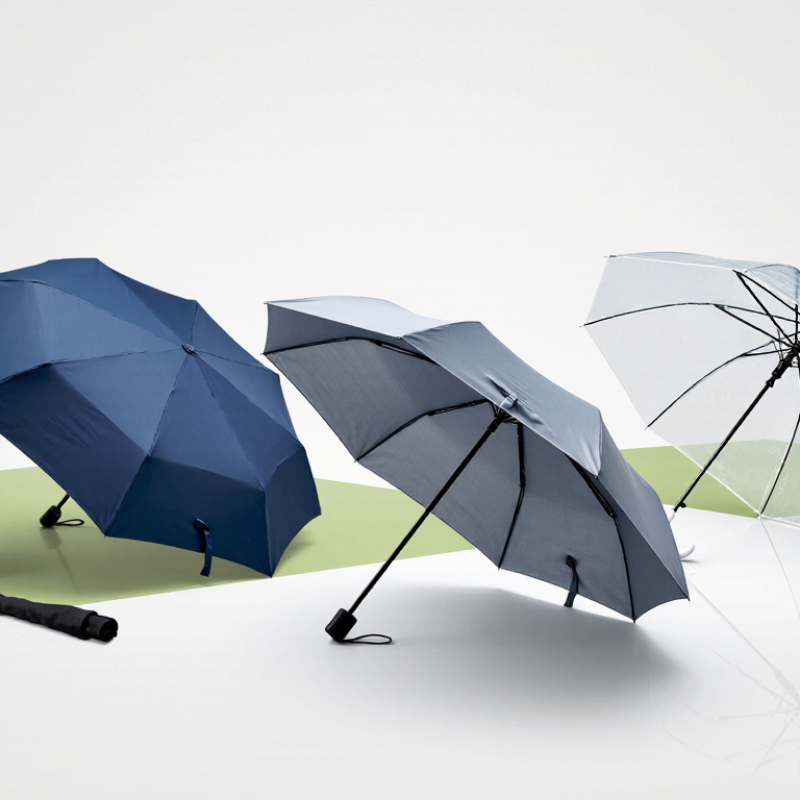
The most useful comparison begins with function. Compact umbrellas fit crowded trains and narrow handbags. Golf umbrellas create a broad canopy beside open fairways. Automatic models offer speed, while transparent dome umbrellas improve visibility at busy crossings. In wind-exposed cities, reinforced ribs and flexible shafts can matter more than appearance. Small details become noticeable in real weather.
According to the World Meteorological Organization, extreme weather patterns are becoming more disruptive in many regions. That context encourages buyers to examine durability, coverage, portability, and responsible material choices. However, market reports often measure sales differently. Their figures should be treated as informed estimates, not perfect facts.
As umbrella designer Fulton Umbrellas explains, “An umbrella should be designed around the way people live.” This practical view helps frame the discussion. The best YH Umbrella type depends on movement, climate, storage space, and expected use. This guide compares the leading forms, while acknowledging an uncomfortable truth: no single umbrella performs perfectly everywhere.
What Are the Top YH Umbrella Types?
YH umbrellas do not have one universally accepted industry definition. In practical use, the term can describe umbrellas designed for yard, home, travel, or general weather protection. Their purpose is simple: block rain, reduce wind exposure, and improve daily mobility. Common types include compact folding umbrellas, full-length straight umbrellas, golf umbrellas, and transparent bubble umbrellas. Each design serves a different setting.
Compact models fit inside handbags and commuter bags. They usually use segmented shafts and lightweight frames. Straight umbrellas offer better opening speed and a longer grip. Golf umbrellas provide wider coverage, often exceeding 60 inches in canopy span. Transparent bubble styles protect the head and shoulders while improving side visibility. Automatic opening is convenient, but it may add weight and create more mechanical failure points. That trade-off matters.
The global umbrella market was valued at about USD 7.4 billion in 2023, according to Fortune Business Insights’ industry report. Market research from Grand View Research also identifies portability, durability, and weather resistance as important demand factors. These findings support a practical evaluation: inspect rib flexibility, shaft strength, canopy stitching, handle comfort, and water-shedding fabric. A wind-resistant frame helps, but no umbrella is truly storm-proof. Marketing language often exaggerates this point. Buyers should also check the closed length and weight, because a strong umbrella that stays at home solves little.
Classic YH umbrellas for everyday protection should prioritize practical shapes over decoration. A traditional stick umbrella offers a longer shaft, stronger handling, and a generous canopy for daily commuting. Folding umbrellas save space and fit neatly beside a laptop or lunch container. Automatic opening is convenient, but manual frames often feel easier to control.
Fortune Business Insights’ 2024 Umbrella Market report valued the global market at approximately $1.67 billion in 2023. It forecasts growth to about $2.31 billion by 2030. That figure suggests steady demand, not guaranteed quality. NOAA reported that 2023 was the warmest year in its global temperature record. Changing weather makes dependable personal coverage increasingly useful.
Look for a canopy near 100 centimeters wide for one-person coverage. Fiberglass ribs can flex during sudden gusts without adding much weight. A vented canopy may release pressure more effectively in windy streets.
I have found that a comfortable handle matters more than expected. Wet palms make even a strong umbrella awkward. No design is perfect. Compact models can invert, while larger models become tiring on long walks.
Regularly checking the runner, ribs, and fabric can prevent small defects from becoming a frustrating failure.
What Are the Top YH Umbrella Types?
For travel, compact and folding YH umbrellas are usually the most practical choices. Their short shafts fit easily into backpacks, tote bags, and carry-on luggage. A closed length near 25 centimeters is convenient for crowded trains and narrow café tables. I prefer models weighing under 400 grams, although lighter designs may feel less stable in strong wind. That trade-off matters.
A three-fold YH umbrella offers excellent portability. It opens quickly and provides enough coverage for one person. Look for flexible fiberglass ribs and a tightly stitched canopy. These materials can reduce stress during sudden gusts. A manual opening system often has fewer moving parts than an automatic one. It may also last longer with careful use. Still, automatic opening is useful when one hand holds a suitcase.
A five-fold YH umbrella becomes even smaller. It can fit inside a coat pocket, but its canopy is usually narrower. This type suits short walks, light rain, and emergency travel use. I once carried a very small umbrella through a coastal storm. It folded neatly, but the frame struggled badly. That experience changed my buying criteria. A wind-resistant vent, rubberized handle, and protective sleeve now matter more than minimal size. Check the locking mechanism before purchase, since a loose joint can make folding awkward. Dry the umbrella fully before storage. Small habits help, though I still forget sometimes.
| Umbrella Type | Typical Folded Length | Typical Weight | Canopy Coverage | Main Travel Advantage | Best Use | Key Consideration |
|---|---|---|---|---|---|---|
| Mini Pocket Folding Umbrella | 15–20 cm | 180–280 g | Small; usually suitable for one person | Fits easily in a pocket, handbag, or small daypack | Urban sightseeing and short walks | Smaller canopy and lighter frames may provide less stability in strong wind |
| Standard Compact Folding Umbrella | 23–30 cm | 280–450 g | Medium; generally comfortable for one person | Good balance between portability and rain coverage | Daily commuting and general travel | A practical all-purpose option, but it occupies more space than a mini umbrella |
| Automatic Open-and-Close Folding Umbrella | 28–34 cm | 350–550 g | Medium to large; suitable for one or two people | Can be operated quickly with one hand | Transit stops, shopping, and carrying luggage | The opening mechanism adds weight and moving parts |
| Wind-Resistant Folding Umbrella | 25–32 cm | 350–600 g | Medium to large; often designed for improved stability | Flexible ribs and vented designs can reduce inversion risk | Coastal trips and exposed city streets | “Wind-resistant” does not mean damage-proof; severe weather should be avoided |
| Lightweight Travel Folding Umbrella | 20–28 cm | 180–350 g | Small to medium; optimized for low carry weight | Minimizes luggage weight during long journeys | Air travel, hiking, and multi-city trips | Very light construction may trade some durability for portability |
| Sun-and-Rain Folding Umbrella | 22–30 cm | 250–450 g | Medium; often made with coated fabric | Provides shade as well as rain protection | Beach holidays, warm climates, and summer travel | UV performance varies by fabric, color, and coating; check the stated rating |
| Double-Canopy Folding Umbrella | 28–35 cm | 450–700 g | Large; generally suitable for one or two people | Vented layers can improve airflow in gusty conditions | Rainy destinations with changeable weather | Usually heavier and bulkier than standard compact models |
Typical measurements are approximate and vary by canopy diameter, frame materials, handle design, and folding mechanism. For air travel, pack the umbrella in checked luggage if required by local airport security rules.
For wind and harsh weather, vented YH umbrellas are usually the strongest choice. Their layered canopy lets gusts pass through instead of lifting the entire frame. This reduces sudden inversion on exposed streets. Reinforced ribs, flexible joints, and a shorter shaft also improve control. The National Oceanic and Atmospheric Administration recorded 27 billion-dollar weather and climate disasters in the United States during 2024. That figure does not measure umbrella failures, but it reflects a harsher operating environment. The World Meteorological Organization also reported that 2024 was the warmest year on record, reaching about 1.55°C above the pre-industrial average. Weather is becoming less predictable.
Reverse-fold YH umbrellas suit crowded sidewalks and vehicle entrances. Their inward-closing design helps contain dripping water and protects nearby clothing. For coastal areas, choose a wind-resistant model with a fiberglass frame, a vented canopy, and a textured handle. Golf-style umbrellas offer wider coverage, but their larger surface can become difficult in crosswinds. Compact reinforced umbrellas are easier to carry, though their smaller ribs may sacrifice durability. No design is magic. I still avoid opening any umbrella during dangerous gusts.
Tips: Check the frame after every severe storm. Look for bent ribs, loose joints, or fabric tears. Hold the handle with both hands near busy roads. Dry the canopy fully before storage. A practical field test is simple: walk several minutes in moderate rain and inspect whether water reaches the seams. Manufacturer claims deserve scrutiny, especially when wind-speed figures lack independent testing.
What Are the Top YH Umbrella Types?
How to Choose the Right YH Umbrella Type
Choosing a YH umbrella type starts with your daily routine, not its appearance. A compact folding umbrella suits commuters who carry small bags and use public transport. Check its folded length, frame joints, and opening method. A slightly longer model may feel stronger in windy streets.
A straight umbrella offers a wider canopy and a simpler structure. It works well for regular walks, school runs, and shared coverage. For longer outdoor trips, a golf-style umbrella provides more shelter, but it can feel awkward in crowded spaces. An inverted umbrella may reduce dripping indoors, although its unusual shape needs practice.
Think about your local weather. Strong gusts require flexible ribs, a comfortable handle, and a canopy that does not feel oversized. Sun protection also matters if you use the umbrella in bright conditions. Look for clear fabric information rather than relying on vague claims.
I once chose a very small umbrella for convenience. It fit perfectly in my bag but left one shoulder wet. That mistake changed how I compare canopy width and weight. Still, bigger is not always better. Test the grip, inspect the stitching, and open the umbrella several times before buying. A smooth mechanism matters more than decorative details. You may also want a storage sleeve, especially after walking through heavy rain.