Exploring the Versatility of 10ft Shipping Containers in Sustainable Urban Development
As urbanization continues to rise, innovative solutions for sustainable development are increasingly sought after, with 10ft shipping containers emerging as a versatile alternative in urban planning. According to the United Nations, by 2050, nearly 68% of the world’s population is projected to live in urban areas, presenting significant challenges for housing, infrastructure, and resource management. A recent report by McKinsey suggests that modular structures, such as those made from 10ft shipping containers, could reduce construction time by 50%, while also minimizing costs by up to 30%. These containers facilitate not only affordable housing but can also be repurposed for various community needs, including retail spaces, flexible offices, and emergency shelters. This flexibility underlines their potential in creating resilient urban environments, promoting sustainability, and addressing the critical housing crisis facing many cities worldwide.
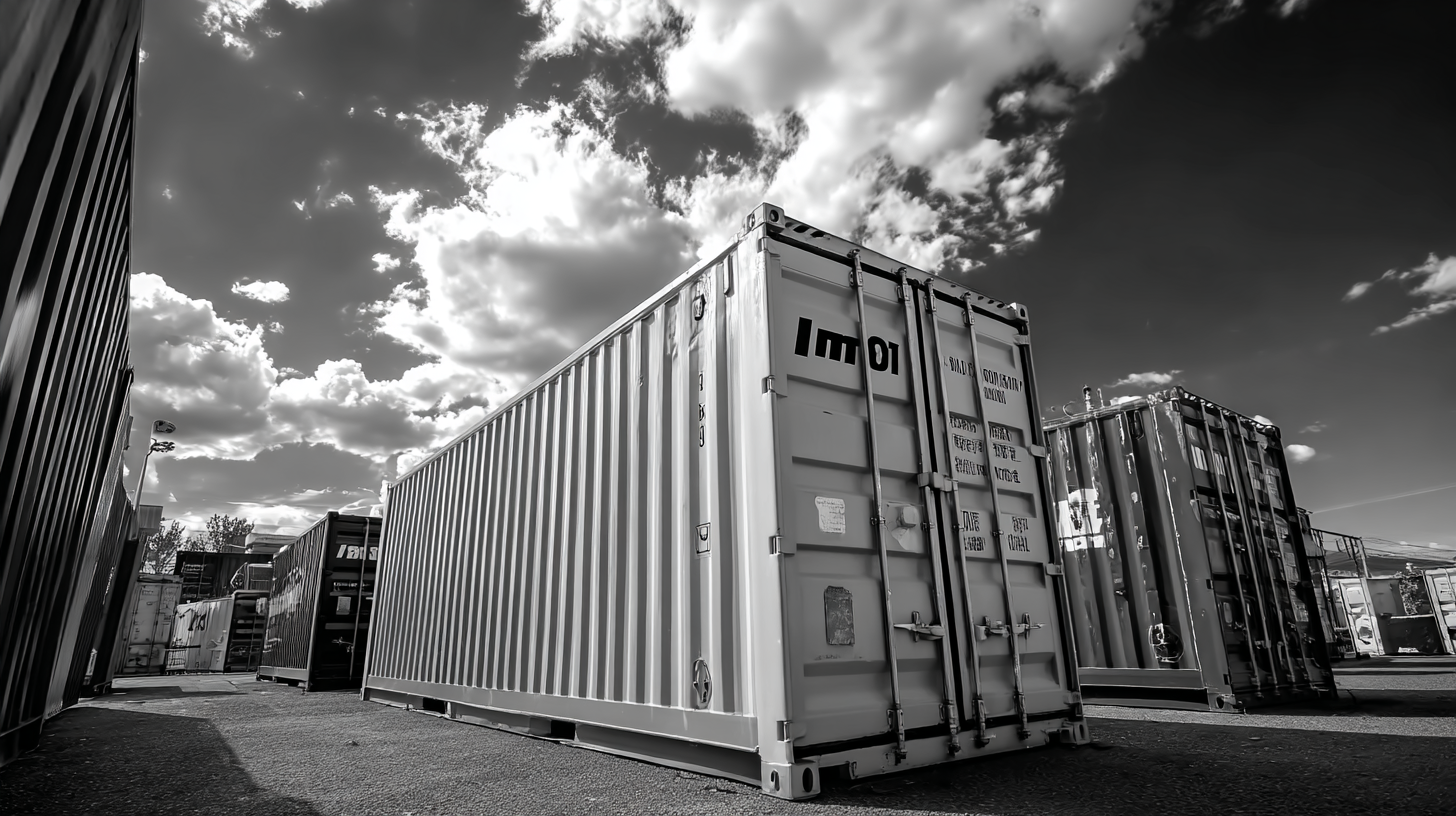
Versatile Applications of 10ft Shipping Containers in Urban Housing Solutions
The use of 10ft shipping containers as a solution for urban housing is gaining traction due to their versatility and sustainability. These compact structures can be adapted for various living arrangements, including single-family homes, duplexes, or even multi-unit complexes. Their modular nature allows for creative architectural designs while efficiently utilizing limited urban space. Furthermore, the durability of shipping containers makes them an attractive option for long-term housing in areas prone to natural disasters, as they can withstand severe weather conditions.
Additionally, 10ft shipping containers are an eco-friendly alternative that promotes sustainable urban development. Their repurposing reduces the demand for new construction materials, thus lowering the overall carbon footprint. Integrating containers into urban housing projects encourages a circular economy, where existing resources are utilized, and waste is minimized. These units can be customized with energy-efficient installations, such as solar panels and green roofs, further enhancing their sustainability. As cities continue to face challenges like housing shortages and environmental concerns, 10ft shipping containers offer innovative solutions that blend functionality with environmental responsibility.
Exploring the Versatility of 10ft Shipping Containers in Sustainable Urban Development
| Application Area |
Description |
Environmental Impact |
Cost Efficiency |
Mobility |
| Urban Housing |
Compact living spaces designed for affordability. |
Reduces waste; promotes recycling of materials. |
Lower construction costs compared to traditional housing. |
Easily transportable to different urban locations. |
| Pop-up Shops |
Retail spaces that can be relocated as needed. |
Minimizes the carbon footprint of retail operations. |
Cost-effective for startups and small businesses. |
Flexibility to change locations based on demand. |
| Community Centers |
Spaces for gatherings, workshops, and events. |
Promotes social sustainability and community building. |
Affordable alternative for community facilities. |
Can be moved to different neighborhoods as needed. |
| Workspaces |
Offices or studios for freelancers and startups. |
Utilizes repurposed materials, reducing landfill impact. |
Cost-effective choice for small businesses. |
Flexible locations to suit business needs. |
| Urban Farms |
Containers converted into growing spaces for local produce. |
Encourages local food production and gardening. |
Lower investment compared to traditional farming setups. |
Mobile farming solutions to adapt to urban planning changes. |
Transforming Public Spaces: Community Hubs Using 10ft Shipping Containers
The use of 10ft shipping containers as community hubs is an innovative solution in sustainable urban development. These versatile structures provide a cost-effective way to create multifunctional public spaces that can enhance community engagement. According to a report from the Global Innovation Institute, urban areas that incorporate flexible infrastructure, like shipping containers, can increase local foot traffic by up to 40%, fostering a vibrant environment for social interactions.
Moreover, utilizing shipping containers helps address the issue of urban wastage. The World Bank notes that approximately 1.3 billion tons of food are wasted globally each year, highlighting the need for initiatives that promote sustainability. By repurposing containers into community hubs for markets, food banks, or educational centers, cities can not only reduce waste but also provide essential services to underserved populations. This transformation aligns with the United Nations’ Sustainable Development Goals, particularly Goal 11, which emphasizes the need for sustainable cities and communities.
Ultimately, the integration of 10ft shipping containers into public spaces serves as a beacon for innovative urban design, offering communities both functional and aesthetic benefits while promoting sustainable practices.
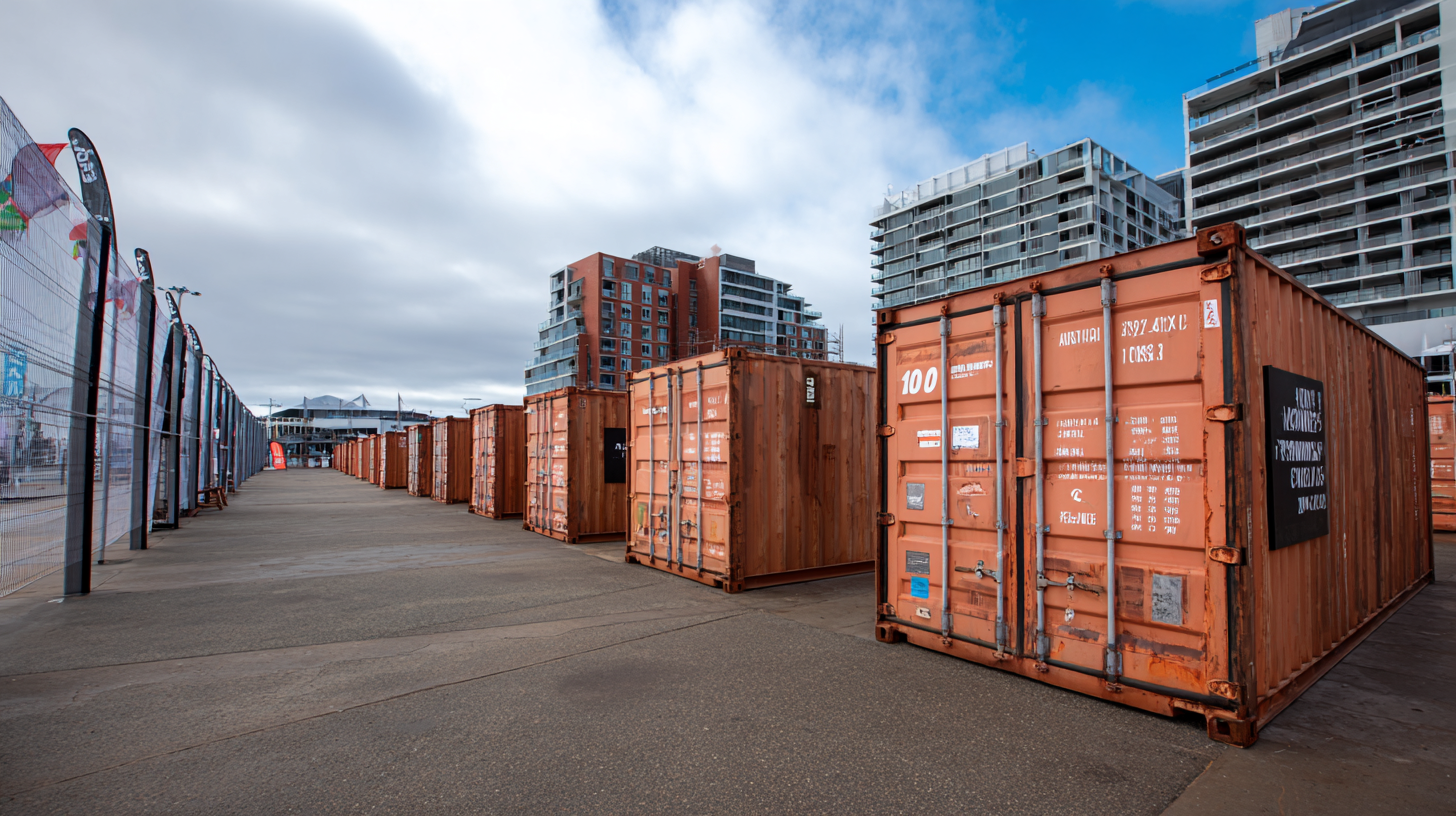
Sustainable Energy Solutions: Eco-friendly Features in Shipping Container Designs
Shipping containers have emerged as innovative solutions in sustainable urban development, particularly due to their adaptability and eco-friendly features. Among the standout attributes is their potential for green energy solutions, which transform these steel structures into energy-efficient hubs. By integrating solar panels on roofs, shipping containers can harness renewable energy, reducing reliance on fossil fuels and minimizing carbon footprints. Additionally, the use of energy-efficient insulation materials within these containers enhances thermal performance, ensuring comfortable living or working spaces while conserving energy.
Moreover, shipping containers can be outfitted with rainwater harvesting systems and greywater recycling systems, promoting water conservation in urban settings. The modular design allows for easy installation of these features, making them practical for diverse applications such as housing, offices, and community centers. By incorporating eco-friendly technologies and intelligent designs, shipping containers not only address housing shortages but also align with sustainability goals, fostering greener urban environments. This versatility illustrates how repurposed shipping containers can contribute significantly to eco-conscious urban planning.
Exploring the Eco-friendly Features of 10ft Shipping Containers
Innovative Retail Solutions: Pop-up Shops and Marketplaces in Shipping Containers
The emergence of shipping containers as pop-up shops and marketplaces is reshaping retail experiences, particularly in urban environments. A recent manifestation of this trend can be seen in a new pop-up store that creatively reimagines a shipping container as a vibrant music venue. This innovative approach not only appeals to the younger demographic but also aligns with the growing demand for unique, immersive shopping experiences. According to a report by Research and Markets, the global pop-up retail market is expected to grow significantly, driven by the increasing popularity of temporary retail spaces that enhance consumer engagement.
Brands are increasingly opting for shipping container stores due to their flexibility and cost-effectiveness. The adaptability of these containers allows retailers to create visually striking spaces that resonate with the current consumer emphasis on experience over mere transactions. In fact, a study from the National Retail Federation highlighted that 67% of consumers look for unique experiences when shopping, making pop-up containers an ideal solution. From fashion forward outfits to music-infused atmospheres, retailers are harnessing the versatility of shipping containers to transform urban retail landscapes into exciting, multifunctional hubs, reflecting both the cultural zeitgeist and sustainable practices.
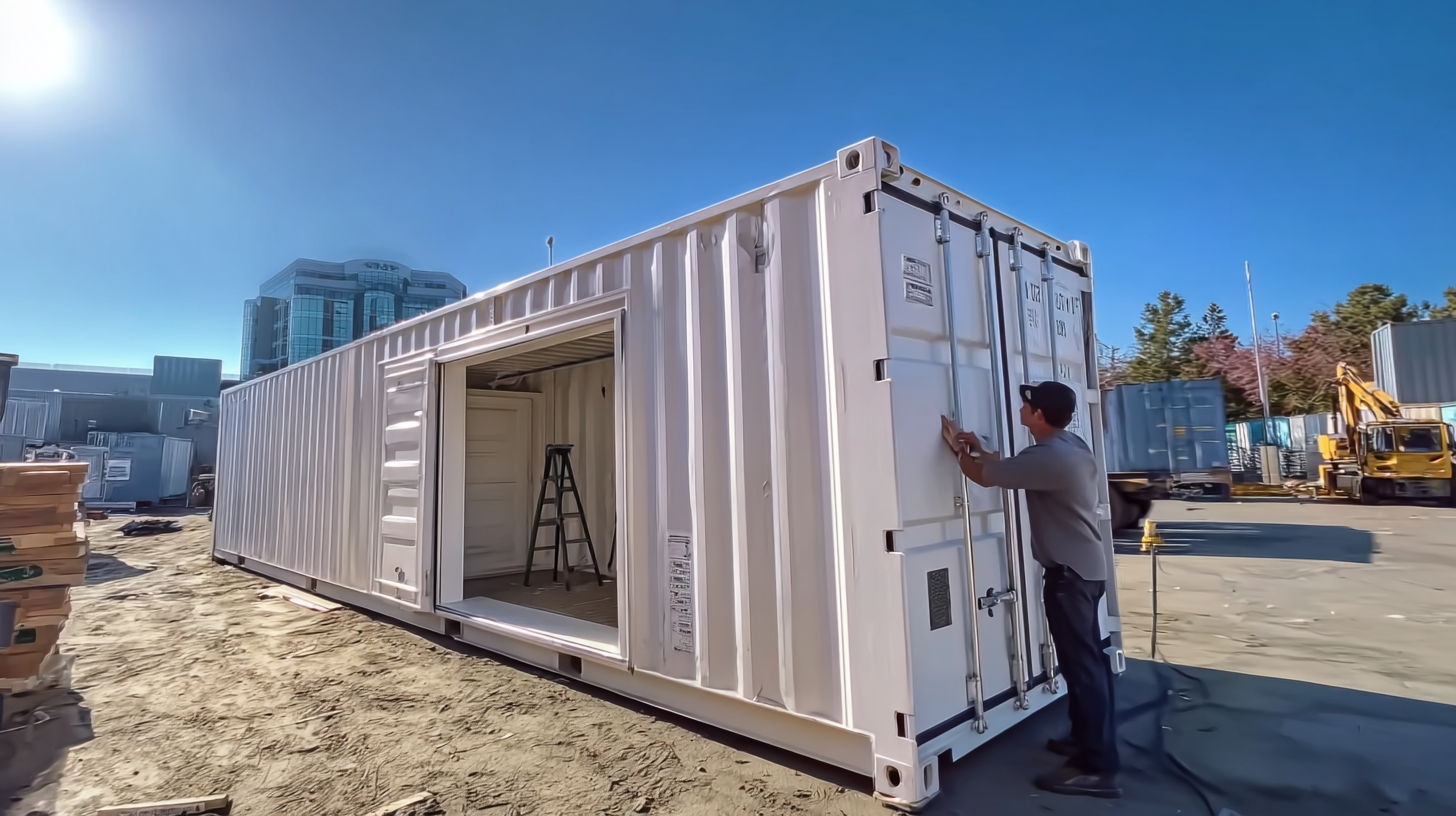
Logistical Advantages: Efficient Space Utilization in Urban Environments with Containers
The integration of 10ft shipping containers in urban environments presents formidable logistical advantages, particularly in optimizing space utilization in densely populated areas. As urban logistics continues to evolve, the need for effective storage and transportation solutions has never been more critical. Recent reports indicate that urban logistics is one of the fastest-growing segments of the supply chain, leveraging innovative solutions such as underground container logistics to enhance efficiency. This trend aligns with findings from industry analyses, which show that effective space utilization can significantly reduce both operational costs and environmental footprints.
Sustainable urban development is further enhanced by employing modular shipping containers that offer flexibility in design and spatial configuration. These containers can be repurposed as shops, offices, or community centers, thus maximizing the use of limited urban space while reducing the need for new construction. The shift towards sustainable supply chains is also evident, as companies increasingly adopt eco-friendly practices to minimize emissions and improve efficiency. Reports highlight that such initiatives not only align with global sustainability goals but also meet the rising consumer demand for responsible logistics solutions. Embracing these practices provides an avenue for cities to reduce waste and enhance the quality of urban life.