2026 How to Utilize Shipping Containers for Your Next Project?
Shipping containers are not just for freight anymore. They have become versatile structures for various projects. From homes to pop-up shops, the potential is immense. With a little creativity, you can transform a standard shipping container into something unique.
Many people underestimate the adaptability of shipping containers. Their robust design makes them suitable for multiple uses. However, each project requires detailed planning. It's essential to consider aspects like insulation, ventilation, and layout. Sometimes, the process can feel daunting. But breaking it down makes it manageable.
In this exploration, we will dive into innovative ways to utilize shipping containers. We will highlight practical ideas and common challenges. Understanding both the benefits and drawbacks reveals the true potential of these containers. Get ready to think outside the box, or rather, inside the container!
How Shipping Containers Are Revolutionizing Modern Construction Projects
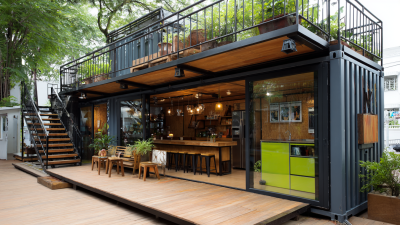
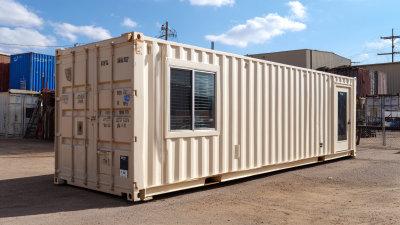
Shipping containers are transforming the way we approach construction. They offer a unique, cost-effective solution for building projects. Their durability and modular design make them suitable for various uses. Imagine turning a basic container into a cozy office, a home, or even a restaurant. This innovative approach opens doors to creativity in design.
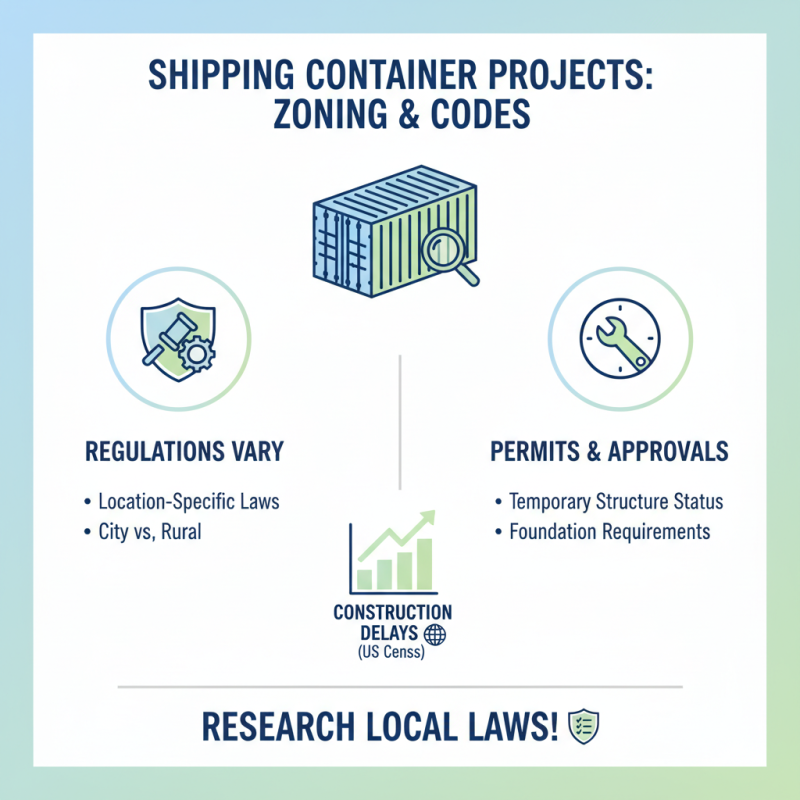
However, working with shipping containers isn't without challenges. Adapting these steel boxes to meet local building codes can be frustrating. Insulation and ventilation are often overlooked aspects. Poorly planned layouts can lead to cramped spaces. It's crucial to think through these details to make the most of container living or working.
Moreover, the aesthetic appeal of shipping containers is growing. They can be painted, stacked, and combined in fascinating ways. This flexibility allows architects to create eye-catching structures. Still, some may view them as unattractive. Balancing functionality with style requires thoughtful planning. Embracing this dynamic involves continuous learning and adjustment as the industry evolves.
Key Benefits of Using Shipping Containers in Design and Sustainability Efforts
Shipping containers have become increasingly popular in design and sustainability efforts. They offer unique solutions for various projects, driven by the need for eco-friendly materials. According to a report by the United Nations, 80% of global goods are transported via shipping containers, highlighting their abundance. This availability makes repurposing them an attractive option.
Utilizing shipping containers can significantly reduce construction waste. Traditional building methods generate substantial debris. In contrast, containers can be modified on-site, minimizing landfill impact. A study from the Environmental Protection Agency shows that reusing materials can decrease carbon emissions by up to 30%. This factor alone emphasizes their sustainability.
However, challenges exist. Containers can have structural limitations. Modifications might compromise safety without proper planning. It's crucial to assess the existing condition of each container. Not all containers are suitable for habitation or commercial use. Some may require significant retrofitting, which could negate initial cost savings. Balancing creativity with practicality is essential.
2026 How to Utilize Shipping Containers for Your Next Project? - Key Benefits of Using Shipping Containers in Design and Sustainability Efforts
| Benefit |
Description |
Sustainability Impact |
| Cost-Effective |
Using shipping containers can significantly reduce construction costs compared to traditional materials. |
Reduces waste by repurposing existing materials. |
| Durability |
Shipping containers are designed to withstand harsh conditions, making them long-lasting structures. |
Less frequent replacements contribute to lower resource consumption. |
| Versatility |
They can be used for various purposes, including offices, homes, and pop-up shops. |
Supports adaptive reuse and minimizes the need for new materials. |
| Mobility |
Containers can be easily transported to different locations, offering dynamic solutions. |
Promotes flexibility in development without permanent land use. |
| Eco-Friendly Design |
Containers can be easily insulated and fitted with sustainable technology. |
Helps in reducing overall carbon footprint of construction projects. |
Innovative Ideas: Creative Uses for Shipping Containers in Various Industries
Shipping containers have transformed how we approach construction and design across various industries. Restaurants and cafes are increasingly using them to create pop-up dining experiences. These structures are portable and can be relocated easily, allowing businesses to test new markets. Many have opted for sleek, modern finishes, yet some have maintained the raw, industrial aesthetic. However, they may require extensive insulation and ventilation to ensure comfort.
In education, shipping containers serve as innovative classrooms. They can be customized into modular spaces for teaching. This approach not only conserves space but also brings learning closer to nature. However, there are challenges; containers may lack proper lighting. Creative solutions, like large windows and light wells, can improve this aspect.
Art installations have also embraced containers as mediums. Artists use them to create immersive experiences. However, ensuring structural integrity and safety can be complex and often overlooked. This leads to reflections on the balance between creativity and practicality. The unique charm of shipping containers invites bold ideas, yet some designs necessitate rigorous planning to avoid pitfalls.
Cost Analysis: Evaluating the Financial Implications of Shipping Container Use
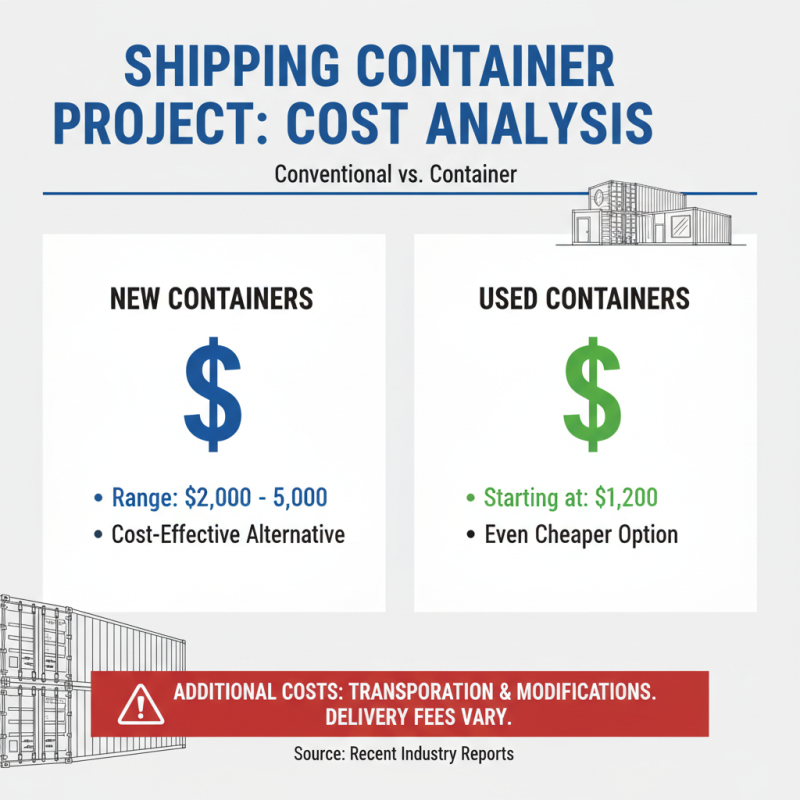
When considering the use of shipping containers for your next project, cost analysis is key. Shipping containers can be a cost-effective option compared to conventional building materials. According to recent industry reports, prices for new containers range from $2,000 to $5,000. Used containers can be even cheaper, often starting around $1,200. However, factors like transportation and modifications can add to these costs. Be aware that delivery fees may vary significantly based on location.
One key tip is to budget for modifications. If your project includes windows or insulation, costs can quickly rise. Reports indicate that custom modifications can increase the total investment by 30% to 50%. This might outweigh initial savings. It’s essential to plan carefully. Ask yourself if the desired features justify the expense.
Another consideration is maintenance. While containers are durable, they require upkeep. Rust and wear over time might incur additional costs. Some studies suggest setting aside 10% of your project budget for maintenance. Reflecting on these aspects can help avoid surprises later on. It's also wise to explore local regulations. Compliance with zoning laws can impact your overall budget.