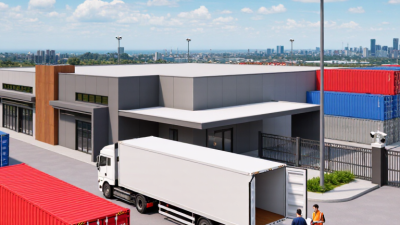
2026 Top Shipping Container Conversions for Global Buyers
Global buyers are rethinking unused steel boxes as practical building components. This shift supports the growing market for shipping container conversions in offices, retail units, clinics, workshops, and compact homes.
UNCTAD’s Review of Maritime Transport 2024 reports that global seaborne trade reached approximately 12.3 billion tonnes in 2023. Containerized cargo remains central to this network. Every delivered container carries a history of ocean routes, handling equipment, salt air, and repeated loading cycles. That history matters when selecting conversion units.
Drewry’s Container Forecaster continues to highlight changing container demand, fleet growth, and equipment availability. These factors influence purchase prices and regional supply. However, market reports rarely explain the practical risks inside a converted structure. A container may look sound outside, yet show floor contamination, hidden corrosion, or weakened corner posts. Careful inspection remains essential.
Architect Adam Kalkin, known for container-based architecture, has said, “A shipping container is a building block, not a finished building.” That principle remains useful for 2026 buyers. Successful projects require insulation, ventilation, drainage, fire-safe materials, and professionally reviewed structural openings. Cutting a large side panel is not a simple design decision.
The best conversions balance transport efficiency with human comfort. Think of condensation on a cold steel wall, heat trapped beneath a dark roof, and rainwater pooling beside an unsealed doorway. These details often decide long-term performance.
This guide compares leading shipping container conversions for global buyers. It also questions common assumptions, because low purchase prices can hide expensive preparation work.
What Shipping Container Conversions Are and Why Global Buyers Choose Them
Shipping container conversions turn standardized steel boxes into offices, workshops, storage rooms, classrooms, and compact homes. A typical 20-foot container provides about 33 cubic meters of internal space, while a 40-foot unit offers roughly twice that capacity. Their modular form supports fast planning and simpler ocean transport. UNCTAD’s Review of Maritime Transport 2024 notes that over 80% of global merchandise trade by volume moves by sea, helping explain why containers are widely available across regions.
Global buyers often choose conversions for speed, predictable dimensions, and possible savings on structural materials. However, a container is not automatically a finished building. Insulation, ventilation, drainage, fire safety, and electrical systems require professional design. Field inspections should check floor chemicals, hidden corrosion, door alignment, and previous cargo history. Local building rules still apply. The cheapest unit can become expensive.
Tips: Request a condition report, verify internal measurements, and budget for climate-specific insulation. Buyers in humid areas need stronger corrosion protection. Hot climates may need reflective roofing and cross-ventilation. The World Bank’s 2023 Logistics Performance Index emphasizes infrastructure, tracking, and delivery reliability; these factors also affect conversion schedules. Ask for drawings before cutting steel. Small errors become permanent. Even experienced buyers should reassess whether a new-build structure fits better, because conversion work can be less flexible than expected.
Key Conversion Types for Homes, Offices, Retail, and Industrial Use
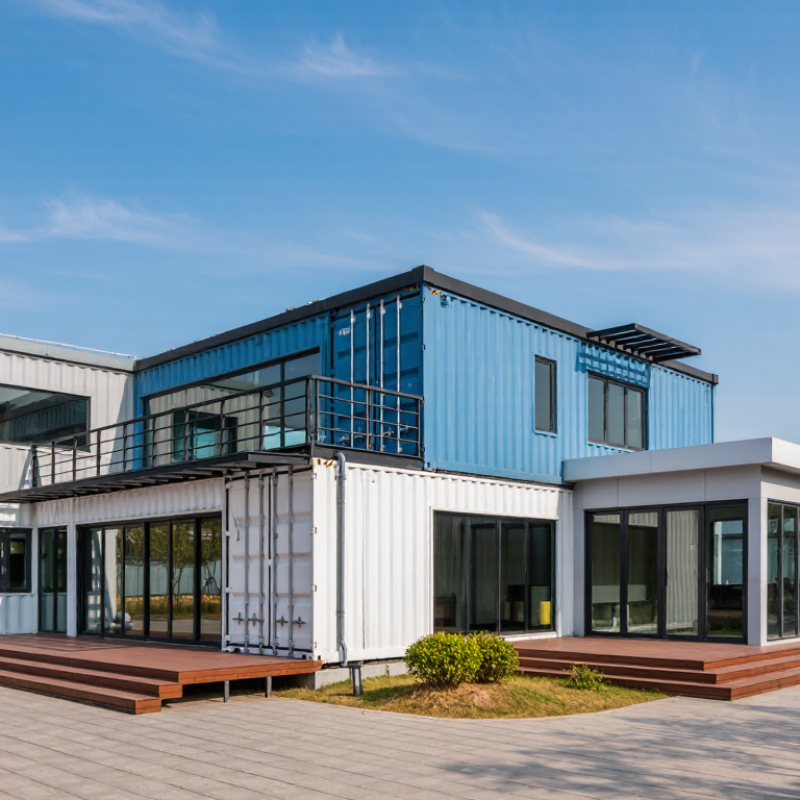
Shipping container conversions now serve homes, offices, retail spaces, and industrial facilities worldwide. Each use requires different planning, insulation, ventilation, and structural preparation. For homes, builders often combine several units to create bedrooms, kitchens, and bright living areas. Large windows and shaded outdoor decks can soften the steel appearance. Insulation must resist heat, cold, and condensation. A steel shell alone is not comfortable. Field experience shows that poor moisture control causes expensive repairs later.
Office conversions need daylight, quiet interiors, reliable wiring, and comfortable airflow. Retail units benefit from wide openings, clear customer circulation, secure counters, and visible product displays. Industrial conversions often become workshops, storage rooms, or site offices. They may require stronger floors, wider doors, drainage channels, and specialized ventilation. Accessibility and local construction requirements should guide the design from the beginning. Plans can change. The first layout is rarely the best one.
Tips: Ask for detailed drawings, material specifications, and a realistic delivery schedule. Check the container’s steel condition before approving fabrication. Confirm insulation thickness, electrical protection, fire safety, and water drainage. Consider the destination climate, not only the purchase price. Cheap insulation can become an expensive correction. Measure twice. Reflect on future use, too; a retail unit may later need storage, while a home may need another bedroom.
How to Evaluate Size, Materials, Layout, and Custom Features
2026 Top Shipping Container Conversions for Global Buyers
Choosing a converted shipping container begins with its intended use, not its appearance. A 20-foot unit suits compact offices, kiosks, and single-room studios. A 40-foot unit offers more floor area, but transport access becomes harder. Measure the delivery route, turning space, door width, and foundation area before ordering. Small errors become expensive on delivery day.
Material evaluation needs more than a thick-looking wall. Inspect steel condition, weld quality, corrosion treatment, insulation type, and roof drainage. Cold climates need continuous insulation and controlled ventilation. Hot regions need reflective roofing, shading, and heat-resistant finishes. Ask for material specifications, coating data, and inspection records. Photos help, but they cannot replace an independent inspection. That is an uncomfortable truth.
Layout decisions should reflect movement, maintenance, and future changes. Keep electrical panels accessible, leave service space around plumbing, and avoid placing heavy equipment on weak floor sections. A practical plan may include one wide entrance, two ventilation points, and washable interior panels. Custom features can include windows, fold-out counters, bathrooms, ramps, solar preparation, and modular partitions. Every addition affects weight, balance, cost, and approval requirements.
2026 Top Shipping Container Conversions for Global Buyers
How to evaluate size, materials, layout, and custom features before selecting a container conversion.
Size
A 20-foot container is suited to compact studios, kiosks, and single-room units. A 40-foot container provides roughly twice the floor area, while a 40-foot high cube adds interior height for insulation, services, and overhead storage.
Materials
Corten steel offers structural strength and weather resistance. Conversion quality depends on corrosion treatment, insulation, vapor control, flooring, glazing, and the protection of cut edges.
Layout and Features
Compare door placement, plumbing routes, electrical capacity, ventilation, fire safety, accessibility, and local building-code requirements before finalizing a layout.
Approximate internal dimensions based on common ISO dry-container specifications. Actual dimensions, payload limits, insulation thickness, and usable space vary by manufacturer, age, and conversion design.
Global Standards, Safety Requirements, Costs, and Delivery Considerations
Global buyers are choosing container conversions for offices, workshops, classrooms, and compact housing. UNCTAD’s Review of Maritime Transport 2024 states that ships carry over 80% of global merchandise trade by volume. That scale makes predictable standards essential. ISO 668 defines container dimensions and corner fittings. The CSC Convention requires structural safety checks before international transport. Every modified unit should retain readable identification plates and inspection records.
Conversions should begin with an engineering survey, not decorative planning. Cutting side openings can weaken load paths and twist the frame. Reinforced headers, certified lifting points, emergency exits, ventilation, and fire-resistant materials need documented approval. Electrical systems require grounding, overload protection, and moisture-resistant fittings. Do not trust paint alone. It hides corrosion. Local building and occupancy rules may also apply after delivery, even when the container was compliant during shipping.
Market quotations commonly place basic conversions near US$15,000–30,000, while insulated units with plumbing and electrical systems can exceed US$60,000. These figures often exclude foundations, permits, inland transport, and cranes. Delivery planning matters. The World Bank’s 2023 Container Port Performance Index covered 405 ports and about 182,000 vessel calls, yet port efficiency varies sharply by location. Buyers should confirm cut-off dates, customs documents, chassis availability, and final-mile access. A narrow road can cost more than the conversion. One uncomfortable lesson remains: the cheapest quotation is rarely the cheapest delivered solution.
A Step-by-Step Guide to Selecting the Right Container Conversion Supplier
2026 Top Shipping Container Conversions for Global Buyers
Selecting the right container conversion supplier requires more than comparing online prices. Start by defining the intended use, location, occupancy, and delivery route. A site survey can reveal access limits, ground conditions, wind exposure, and drainage needs. Share these details before requesting a quotation.
Ask for drawings, material specifications, and a clear conversion schedule. Check how the supplier treats corrosion, insulation, ventilation, fire resistance, doors, windows, and electrical systems. Request evidence of structural assessments and relevant local approvals. Independent inspection is valuable before dispatch, especially when the unit includes plumbing, lifting points, or heavy internal equipment.
Small details matter.
Review factory photographs, weld quality, sealant lines, floor condition, and cable protection. Confirm steel thickness, coating systems, replacement-part access, packaging, and transport responsibilities in writing. A dependable supplier should explain exclusions instead of hiding them inside vague terms. Verify references from projects with similar climates and operating demands.
Do not choose based on a polished showroom alone. A low quote may omit engineering, testing, or installation support. It is also easy to over-specify features that add cost without improving performance. Recheck the design with a qualified local professional, because a technically sound conversion can still fail a regional requirement. Keep every revision, test report, warranty term, and acceptance condition documented before production begins.