Top House Decoration Items for Global Buyers to Consider?
House Decoration Items play an essential role in enhancing living spaces globally. According to a report by Research and Markets, the global home décor market is anticipated to reach $663 billion by 2027, showcasing the growing interest in interior design. With numerous brands vying for attention, selecting the right items can be daunting for buyers.
Emerging trends reveal a shift towards sustainable materials and minimalist designs. Consumer preferences underline the importance of functionality alongside aesthetics. Data from Statista highlights that 41% of buyers prioritize eco-friendly options in their purchasing decisions. However, it can be challenging to find truly sustainable products, as many brands make misleading claims about their items.
In a rapidly evolving market, buyers must be discerning. Choosing house decoration items often involves balancing personal style and current trends. Each item should not only enhance the visual appeal but also reflect the buyer's values. With countless options, buyers may face decision fatigue. Reflecting on one’s needs and preferences is key to making satisfying choices in home decoration.
Essential Elements of House Decoration for Global Buyers
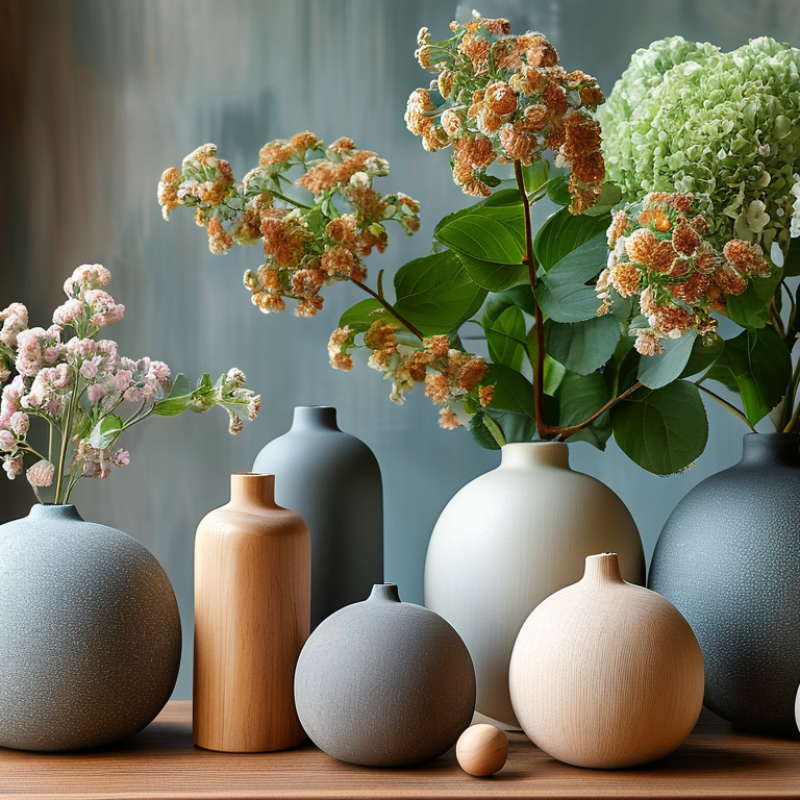
When it comes to house decoration, global buyers seek more than just aesthetics. Essential elements focus on functionality and comfort. A well-decorated space should tell a story while serving daily needs. Consider natural materials. Wood, stone, and textiles add warmth and character. They also connect indoors with nature.
Lighting plays a crucial role in creating ambiance. Use a mix of natural and artificial sources. Warm-toned bulbs can soften harsh spaces. Try unique fixtures that reflect personal style. Decor that resonates emotionally can enhance well-being.
Colors influence mood significantly. Neutral tones can create a calm atmosphere. Bold accents can energize a space. Each choice reflects personality, impacting how one feels at home. However, trends can mislead. It’s essential to prioritize personal preferences over fleeting fashions. Balance is key; too much decor can feel overwhelming. Aim for harmony in every corner.
Top House Decoration Items for Global Buyers
Popular Cultural Influences on Home Decor Choices Worldwide
Home decor choices are heavily influenced by culture around the world. In Asia, for instance, minimalism is key. Homes often feature clean lines and open spaces. This can create a peaceful environment. In contrast, African decor showcases vibrant colors and tribal patterns. These elements reflect deep cultural roots and traditions.
Tips for incorporating cultural influences include starting small. Choose decor pieces that resonate with your heritage. A handmade item can tell a story. Layering textiles can also add depth. Consider using natural materials like wood or stone. They connect with the surroundings.
Keep in mind the notion of balance. Too many elements can make a space feel cluttered. Reflect on the importance of functional decor. Items should not only be beautiful but also serve a purpose. This practical approach enhances daily life.
Sustainable and Eco-Friendly Decoration Trends to Consider
Sustainable and eco-friendly decoration trends are gaining traction among global buyers. A recent report from the Global Sustainability Forum indicates that 82% of consumers prefer eco-friendly products. This shift reflects a growing awareness of the environmental impact of home decor choices. Buyers are now prioritizing materials that are not only beautiful but also sustainable.
Natural materials such as bamboo, reclaimed wood, and organic textiles are becoming popular choices. These materials reduce carbon footprints and promote biodiversity. Incorporating elements like live plants or air-purifying installations can enhance both aesthetics and well-being. Researchers have found that green spaces in homes improve air quality and reduce stress.
**Tip:** Consider DIY decor projects that utilize upcycled materials. This not only reduces waste but also adds a personal touch to your space.
Sourcing decor from local artisans can further minimize your carbon footprint. It supports local economies and reduces transportation emissions. However, ensure that these artisans follow sustainable practices. Not all handmade items are eco-friendly; transparency is crucial.
**Tip:** When shopping, ask about the source of materials. This helps identify truly sustainable products. Making informed decisions creates a positive ripple effect on the environment.
Unique Home Accessories from Different Regions for Global Appeal
Home accessories can transform spaces. Global buyers often seek unique items that reflect diverse cultures. Many homeowners want decorations that tell a story. The right decor adds personality to a room, making it inviting.
A recent report from the Home Accents Today survey reveals that 69% of consumers prefer unique items over mass-produced alternatives. Accessories from different regions offer authenticity. For example, handcrafted pottery from Mexico or vibrant textiles from India can enhance any space. These products not only look great but support local artisans. Many find joy in owning a piece of another culture.
Relying on trends can backfire. What’s popular now may not be in demand next year. Focusing solely on aesthetics might lead to neglecting functionality. Effective decoration should create balance and comfort. It’s essential to blend styles in a way that still feels cohesive. Consider local tastes and preferences when selecting items. Balancing global appeal with local relevance is key to a successful decoration strategy.
Tips for Blending Personal Style with Global Decor Trends
Blending personal style with global decor trends can be a rewarding yet challenging task. It requires careful consideration and a keen eye for detail. Start by selecting a few key elements that resonate with you. For instance, a vibrant tapestry can serve as a focal point, complementing muted tones elsewhere. Layering textures is also vital. Consider combining natural fibers with metallic finishes to create warmth and sophistication.
Incorporating diverse global influences can deepen your home's narrative. Think about a handmade artisan piece or traditional pottery from a distant land. These nuances can evoke stories and memories. However, avoid overwhelming the space. It’s easy to overdo global decor, leading to visual chaos. Moderation allows each piece to shine and reflect your journey.
Experimenting is part of the process. You might discover a unique blend that doesn't work as planned. Accepting these missteps can be liberating. Sometimes, less is more. Strive for cohesion, but embrace the unexpected beauty of imperfections in your decor journey. Remember, it’s about creating a space that feels authentically yours.