
Choosing a Fluorocarbon Coated Aluminum Window is about more than selecting a color. The finish must face sunlight, rain, temperature changes, and everyday cleaning. A sample may look flawless under showroom lights. Years of weather are less forgiving.
Building scientist Joseph Lstiburek is widely associated with the reminder, “All buildings are born wet.” His work focuses on building performance, not fluorocarbon coatings specifically. Still, the principle matters: a durable finish cannot compensate for poor drainage, weak seals, or careless installation. The frame, glass, coating, and surrounding wall must work together.
This guide to top Fluorocarbon Coated Aluminum Window manufacturers considers the details buyers can verify. Look for clear coating specifications, documented quality controls, suitable finish warranties, and consistent color across production batches. Ask how the supplier tests adhesion and weather resistance. Request project references, not just polished brochures. Check the corners and drainage paths on a real sample. Small details count.
No single manufacturer suits every climate, budget, or building design. Some product claims also deserve closer scrutiny; a confident sales pitch is not test data. Compare suppliers on evidence, service, fabrication quality, and installation support. Then assess the trade-offs honestly. A finish can perform well and still show dirt, wear, or color variation over time. That is worth discussing before ordering.
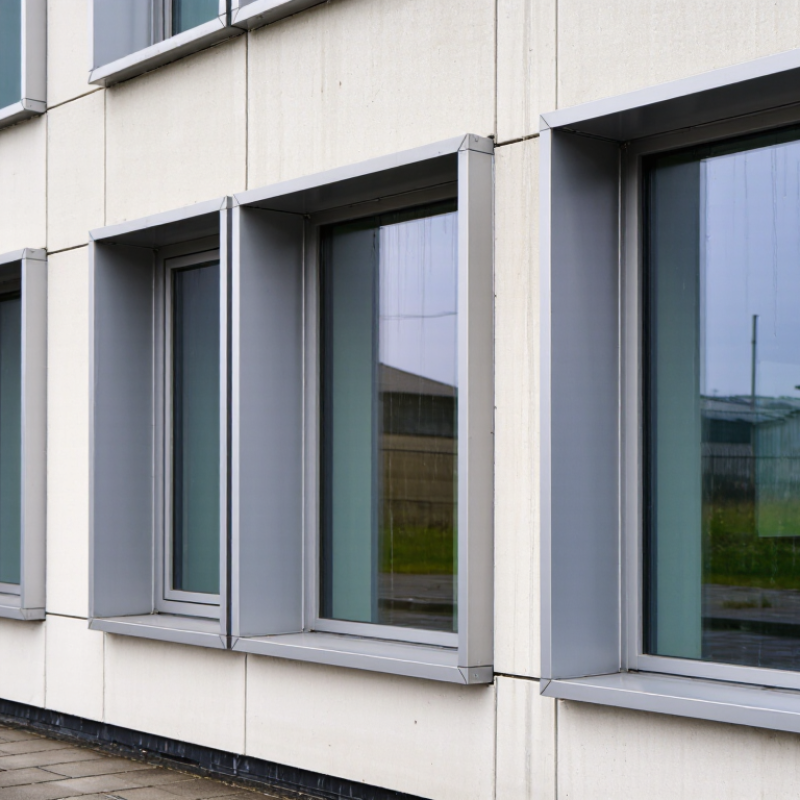
Fluorocarbon-coated aluminum windows have frames finished with a durable organic coating, often made with fluoropolymer resins such as PVDF. The coating forms a thin layer over the aluminum. It helps the surface resist ultraviolet exposure, moisture, chalking, and fading. It does not prevent every scratch or installation problem. Small details matter.
AAMA 2605, an industry specification for high-performance architectural coatings, includes a 10-year outdoor exposure test in South Florida. The standard evaluates properties such as color change, chalking, and coating adhesion after weathering. These are coating benchmarks, not a guarantee that every window will last exactly ten years. Frame joints, drainage paths, seals, and installation also affect performance.
The coating is generally applied to aluminum profiles before final window assembly. In strong sunlight, dark frames can become noticeably warm, so consider the window’s location and exposure. Ask for the coating specification and relevant test records, rather than relying on a color sample alone. A sample cannot show years of weathering. Check the frame edges, too.
Fluorocarbon-coated aluminum windows have aluminum frames finished with a durable coating, often based on PVDF fluoropolymer resin. The chart compares the approximate minimum dry film thicknesses specified by three AAMA architectural coating performance categories. AAMA 2605 is commonly associated with high-performance fluoropolymer coatings; the other categories are included for context.
How to read the chart: The values are rounded conversions from the specifications’ minimum dry film thicknesses. Thickness is only one part of coating performance; weathering, color retention, corrosion resistance, application quality, and the specific product specification also matter.
Fluorocarbon coatings help shield aluminum window frames from sunlight, rain, and airborne grime. They form a weather-resistant surface that slows fading and chalking, helping frames keep their color through changing seasons. On a south-facing window, for example, strong afternoon sun can steadily stress an unprotected finish. A suitable coating reduces that exposure. It is not a magic barrier.
Protection also depends on careful surface preparation and even application. Clean, well-treated aluminum gives the coating a better base. Pay attention to corners, drainage slots, and cut edges, where moisture or coating damage can become harder to spot. The coating can limit contact with water and pollutants, but it cannot prevent every scratch or correct poor installation. That distinction matters. A small chip may deserve attention before it grows.
Tips: Wash frames with mild soap and water, then rinse away residue. Avoid abrasive pads that can mark the finish. Check corners and lower rails once or twice a year; these areas often collect dirt. If a frame looks dull, do not assume the coating has failed—first check for surface grime and follow the maker’s care instructions.
Leading fluorocarbon-coated aluminum window manufacturers
stand out through consistent coating control, sound fabrication, and documented testing. Buyers should ask how the aluminum is pretreated, how coating thickness is checked, and whether finished profiles undergo adhesion and weathering tests. A smooth sample helps, but inspect corners and cut edges too. Small defects can reveal weak process control.
Performance depends on more than the surface finish.
The U.S. Department of Energy estimates that windows account for about 25–30% of residential heating and cooling energy use. That figure makes frame design, glazing, seals, and installation important parts of the specification.
A fluorocarbon coating can protect the exterior finish;
it cannot correct poor thermal breaks or air leakage. Ask manufacturers for test records and clear warranty terms. Details matter.
Material sourcing deserves equal attention.
The Aluminum Association reports that recycling aluminum uses about 95% less energy than producing primary aluminum. This is a broad industry figure, not proof that any particular window has a lower life-cycle impact. Request recycled-content documentation and project-specific performance data. A useful supplier comparison may feel less polished than a brochure. That is often a good sign: real answers include limits, maintenance needs, and what the test results do not cover.
Fluorocarbon-coated aluminum windows are used in apartment buildings, offices, schools, and coastal homes. Their durable finish can help resist fading and weathering, while aluminum frames suit slim, modern sightlines. In salt-air locations, coating quality matters, but it cannot replace sound drainage and regular cleaning. A white frame beside a sea-facing balcony may still show deposits if water collects around its joints.
Looks are not enough. Check the coating system, surface preparation, and documented performance tests. Ask whether the specified finish is suitable for the project’s sun exposure, humidity, and pollution levels. Color samples should be viewed outdoors, since sunlight can change how a shade appears. Also compare frame depth, thermal breaks, glazing options, and hardware. These details affect comfort, condensation risk, and operating feel—not just appearance.
Installation deserves equal attention. Confirm how the frame connects to the wall and how sill areas shed water. Request clear specifications for air and water performance, plus maintenance guidance and warranty conditions. A technically strong window can still underperform when fitted poorly. I would also question unusually broad claims; project conditions vary, and one test result rarely tells the whole story. Review the evidence against the actual opening sizes and exposure before selecting a system.
Evaluate a manufacturer by its process, not by a glossy color chip. Ask which aluminum alloy and temper are used, and request written specifications for profile dimensions, wall thickness, and coating system. “Fluorocarbon” can describe different formulations, so confirm the resin type, primer, topcoat, and stated dry-film thickness. Small details matter.
Request recent inspection records linked to production batches. Check the test methods and report dates; a certificate without sample identification proves little. Ask whether tests cover coating thickness, adhesion, impact resistance, color consistency, and weathering. Salt-spray results can be useful, but they cannot predict every installation. Compare a production sample with the approved color standard under consistent lighting. A polished sample can still mislead.
Inspect finished frames for even coverage around corners, clean drainage paths, and secure seals. Ask how the factory records defects and verifies corrective work. A strong laboratory report does not guarantee steady production; that distinction is easy to overlook. Review warranty terms and request references for projects in similar climates. Then check whether the supplied test reports, sample, and quoted specifications describe the same product.
| Evaluation Dimension | What to Look For | How to Verify | Practical Decision Signal |
|---|---|---|---|
| Coating chemistry | Clear identification of the coating type, resin chemistry, coating system, and intended exterior use. “Fluorocarbon” alone does not establish a specific formulation or performance level. | Request the coating product data sheet, technical specification, and written confirmation of the coating system proposed for the project. | Specifications identify the actual system and do not rely on a general coating description alone. |
| Coating performance standard | Evidence that the finish meets the performance standard specified for the project. AAMA 2605 is a specification for high-performance organic coatings on architectural aluminum; the required standard should be stated in the contract documents. | Review current test reports or a valid certification covering the specified coating system, substrate, and application process. Confirm the applicable standard edition and scope. | Documentation matches the proposed finish and project requirements rather than referring to an unrelated product or test. |
| Surface preparation and application | Documented pretreatment, cleaning, coating application, and curing controls appropriate to the coating system and aluminum substrate. | Review process-control records, production inspection procedures, and sample finish panels. Ask how the manufacturer tracks batches and corrective actions. | Process steps and inspection responsibilities are defined and consistently recorded. |
| Coating thickness and appearance | Specified dry-film thickness, consistent color and gloss, and a finish free from unacceptable defects such as blisters, bare spots, or visible contamination. | Compare production samples with approved samples; request thickness and visual-inspection records using the project’s specified methods and tolerances. | Acceptance criteria are agreed in writing before production, including how measurements and appearance are assessed. |
| Adhesion and durability testing | Test evidence relevant to coating adhesion and environmental exposure. ASTM D3359 is a commonly used tape-test method for assessing adhesion; test results must be interpreted against the applicable specification. | Check reports for the test method, specimen details, coating system, test date, laboratory, and stated acceptance criteria. Confirm that reports apply to the proposed finish. | Reports are traceable to the coating system being purchased and are evaluated against defined requirements. |
| Finished-window performance | Air leakage, water penetration resistance, and structural performance for the complete window assembly—not just the aluminum profile or coating. | Request test reports for the relevant window type, size, configuration, hardware, and glazing. Depending on the project, applicable methods may include ASTM E283, ASTM E331, and ASTM E330. | Tested configurations are representative of the specified product; any differences are explained and supported by appropriate engineering or test evidence. |
| Materials and component traceability | Identification of aluminum profiles, finish batches, glazing, hardware, seals, and other critical components used in each order. | Review purchase specifications, batch records, inspection logs, and sample labels linking materials to production and delivery documents. | Records allow a delivered unit or finish batch to be traced to its materials and inspection history. |
| Quality management and inspection | Defined incoming, in-process, and final inspections, with documented handling of nonconforming products. | Review the quality manual or inspection plan, sample inspection records, and corrective-action procedures. Verify any claimed certification with its issuing body. | Quality claims are supported by current, verifiable records and a clear process for resolving defects. |
| Warranty and service support | Written coverage for the finish and window components, including exclusions, maintenance requirements, claim procedures, and geographic limitations. | Review the actual warranty document and confirm that the quoted product, coating, project location, and installation conditions are covered. | Warranty terms are available before purchase and align with the project’s expected use and maintenance plan. |
| Pre-shipment inspection and packaging | Final checks for dimensions, operation, finish condition, labeling, and protection against handling or transport damage. | Request a sample pre-shipment inspection report and packaging details; agree on inspection points and defect recording before dispatch. | Inspection records and packaging requirements are documented and tied to the order. |
| Supplier comparison | Comparable specifications, test evidence, warranty terms, lead times, and inspection commitments across shortlisted suppliers. | Use the same written project specification and request the same supporting documents from each supplier before comparing quotations. | Selection is based on verifiable product and service evidence, not price or unsubstantiated performance claims alone. |
| Important qualification | Test methods and acceptance limits are not interchangeable, and no single test establishes overall window quality. Confirm applicable standards, editions, performance classes, and acceptance criteria with the project specification and qualified design professionals. | ||