
East Rand Containers

What Are the Top 10 Mountain Bikes for Buyers?

Choosing the right Mountain Bike can feel like standing before ten unfamiliar trailheads. Each model promises control, speed, comfort, or adventure. Yet those promises do not fit every rider.

This guide compares ten leading mountain bikes through practical buying factors. We examine suspension design, frame materials, wheel size, braking power, climbing efficiency, and trail handling. We also consider rider height, skill level, maintenance needs, and realistic budgets. A capable bike should feel stable on loose gravel, responsive through tight corners, and reliable after repeated rides. Specifications matter, but so does the way a bike behaves beneath a real rider.

Hans Rey, a respected mountain-bike pioneer, once said, “Mountain biking is a lifestyle, not a sport.” That perspective matters here. The best choice is not automatically the lightest or most expensive model. It should match your local terrain, riding goals, and willingness to maintain it. A beginner may value confidence over aggressive geometry. An experienced trail rider may prefer sharper handling and stronger suspension performance.

There is no perfect list.

Our rankings aim to be useful, not absolute. Trail conditions change, brands revise components, and personal comfort remains difficult to measure. Some bikes may appear impressive on paper but feel harsh on rocky descents. Others may look modest yet deliver dependable performance for weekend riders. By comparing strengths, weaknesses, expert insight, and practical ownership details, this overview helps buyers make a more informed decision. A short test ride can still challenge any written recommendation.
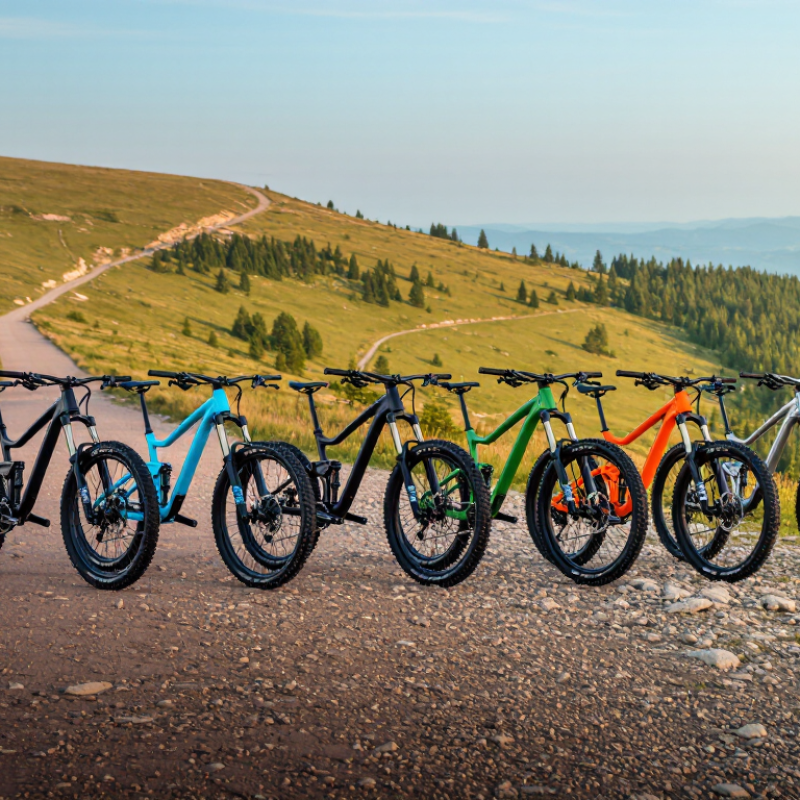
What Are the Top 10 Mountain Bikes for Buyers?

Understanding What Makes a Mountain Bike a Top Choice

What Are the Top 10 Mountain Bikes for Buyers?

Understanding What Makes a Mountain Bike a Top Choice

A top mountain bike is not defined by price alone. It should match the rider, terrain, and maintenance habits. Fit matters. A frame that feels stable on a rocky descent can feel slow on tight climbs. Buyers should check reach, standover height, and handlebar position before judging equipment.

A strong top-ten comparison should examine ten practical areas: frame strength, suspension control, wheel size, tire grip, braking power, gear range, dropper-post action, weight, comfort, and service access. Suspension should absorb repeated roots without feeling vague. Brakes need steady control, especially on wet slopes. Tires should grip loose soil but still roll efficiently on hard paths. Small details matter.

I once placed too much value on low weight. That choice looked sensible on paper but felt nervous over rough ground. A slightly heavier bike may offer better control and durability. Still, lighter components can help smaller riders or long-distance users. No scoring system is perfect. A reliable choice also includes available replacement parts, clear warranty terms, and technicians who understand suspension setup. Buyers should test the bike slowly, then repeat the ride on a familiar trail. Seat height, tire pressure, and rebound settings can change the whole experience.

Top 10 Mountain Bike Categories for Buyers

This comparison uses typical front suspension travel, a practical indicator of the terrain and riding demands each mountain bike category is designed to handle. More travel generally supports rougher and steeper trails, while shorter travel is usually lighter and more efficient for climbing.

Key Mountain Bike Types and Their Best Uses

Choosing among the top 10 mountain bike types starts with terrain, not popularity. A cross-country bike suits long climbs, hard-packed trails, and fitness rides. A trail bike handles roots, rocks, and moderate jumps with balanced control. All-mountain bikes offer more travel for steeper, rougher routes. Hardtails feel direct and require less suspension maintenance. Full-suspension designs reduce fatigue, but they add weight and service costs. My advice is not absolute. A comfortable hardtail can outperform an expensive bike that feels too large.

Enduro bikes suit riders who climb patiently and descend aggressively. Downhill bikes belong on lift-accessed courses, not everyday mixed rides. Dirt-jump bikes favor compact frames and repeated takeoffs. Fat bikes provide grip on snow, sand, and loose ground. Electric mountain bikes help riders manage steep gradients or limited energy. Bikepacking bikes carry bags across remote, uneven trails. They need stable handling and strong wheels. Check fit carefully. Test the reach while wearing riding clothes and gloves. Inspect tire clearance, brake power, dropper-post compatibility, and suspension adjustment range. A showroom can hide poor setup. Ask a qualified mechanic about service intervals and local trail conditions. The best choice matches your weekly routes, riding ability, and repair budget, rather than an impressive specification sheet.

What Are the Top 10 Mountain Bikes for Buyers? - Key Mountain Bike Types and Their Best Uses

Rank Mountain Bike Type Typical Suspension Common Wheel Size Best Terrain Key Strengths Best Uses Main Limitations Recommended Rider Profile
1 Cross-Country Hardtail Front suspension only, usually 100–120 mm of travel 27.5 or 29 inches Smooth trailsFire roadsRolling hills Light weight, efficient pedaling, simple maintenance, and strong climbing performance Fitness riding, long-distance trail rides, recreational racing, and mixed-surface routes Less comfort and control on rocky descents, jumps, and highly technical trails Riders who prioritize speed, fitness, efficiency, and low maintenance
2 Trail Hardtail Front suspension only, commonly 120–150 mm of travel 27.5, 27.5+ or 29 inches Moderate singletrackRootsSmall drops Durable frame, responsive handling, lower cost, and efficient climbing General trail riding, learning technical skills, commuting on rough paths, and weekend adventures Rear-wheel traction and comfort are lower than on a full-suspension bike New and intermediate riders seeking versatility and good value
3 Cross-Country Full-Suspension Front and rear suspension, usually 100–120 mm of travel 29 inches is common Fast singletrackClimbsTechnical sections Efficient pedaling with improved traction, comfort, and control over uneven ground Long endurance rides, cross-country events, and fast all-day trail loops More expensive and heavier than a comparable hardtail; limited for aggressive downhill use Experienced riders who want speed without giving up rear-suspension comfort
4 Downcountry Bike Front and rear suspension, commonly 110–130 mm of travel 29 inches Technical cross-country trailsSteep climbsFast descents More aggressive geometry than a race-oriented cross-country bike while retaining efficient climbing Riders who want a lively bike for demanding trail loops with substantial elevation changes Not as stable as an enduro bike at high speed and not as efficient as a pure cross-country model Fit riders who value balanced uphill and downhill performance
5 Trail Full-Suspension Front and rear suspension, generally 130–150 mm of travel 27.5 or 29 inches Mixed singletrackRocky trailsModerate jumps Balanced climbing, descending, traction, comfort, and all-round handling Daily trail riding, bike-park visits, technical routes, and varied mountain conditions Heavier and more expensive than a hardtail; less specialized than race-focused designs Most recreational and intermediate-to-advanced trail riders
6 All-Mountain Bike Front and rear suspension, typically 140–160 mm of travel 27.5 or 29 inches Steep terrainRock gardensLong descents Stable geometry, strong braking control, and confident performance on demanding terrain Mountain exploration, technical trail networks, and riders who regularly encounter steep descents More weight and rolling resistance than shorter-travel trail bikes Advanced riders who need extra capability but still pedal to the top
7 Enduro Bike Front and rear suspension, commonly 160–180 mm of travel 29 or mixed 29/27.5 inches Steep descentsRough rocksLarge trail features High-speed stability, powerful suspension, and strong impact resistance Enduro racing, aggressive trail riding, and mountainous routes with challenging descents Slower and less efficient on long climbs and flat sections Advanced riders who prioritize downhill confidence and durability
8 Downhill Bike Front and rear suspension, usually about 200 mm of travel 27.5, 29 or mixed wheel sizes Bike parksLift-accessed trailsJumps Maximum downhill stability, strong suspension, powerful brakes, and durable construction Downhill racing, bike-park laps, steep technical descents, and large jumps Poor climbing efficiency and limited practicality for ordinary trail rides Experienced downhill riders with convenient access to a shuttle or chairlift
9 Fat Bike Rigid fork or front suspension; some models use full suspension 26 or 27.5 inches with tires generally about 3.8–5 inches wide SnowSandLoose surfaces Very low tire pressure, high flotation, and reliable traction on soft ground Winter riding, beach routes, snowy trails, and low-speed exploration on unstable surfaces Heavy, slower on firm trails, and less agile than standard mountain bikes Riders who frequently encounter snow, sand, or other soft terrain
10 Electric Mountain Bike Hardtail or full suspension; motor-assisted systems are common 27.5, 29 or mixed wheel sizes Hilly trailsLong routesMixed terrain Motor assistance reduces climbing effort, supports longer rides, and helps manage elevation gain Long-distance trail exploration, assisted commuting, group rides, and riders managing fitness limitations Higher weight, higher purchase cost, battery charging requirements, and possible trail-access restrictions Riders who want additional climbing support or greater range

How to Compare the Top 10 Mountain Bikes

Comparing the top 10 mountain bikes requires more than checking prices or appearance. A strong comparison begins with your local trails, riding skill, and maintenance habits. A steep, rocky route needs stable geometry, reliable hydraulic brakes, and enough suspension travel to absorb repeated impacts. Smoother forest paths may suit a lighter frame with quicker handling. Do not assume the most expensive bicycle will feel best.

During testing, measure frame fit carefully. Your knees should remain slightly bent at full pedal extension, while your elbows stay relaxed on descents. Compare wheel sizes, tire width, suspension adjustment, and gear range. Wider tires can improve grip on loose soil, but they may feel slower on long climbs. A dropper seatpost helps on steep sections, yet it adds weight and requires occasional servicing. Check the warranty, replacement parts, and local repair support before buying.

Tips: Ride at least three candidates if possible. Test them on a short climb, a rough descent, and a tight corner. Listen for rattling. Check brake lever reach and shifting under pressure. My own comparisons were not perfect; fatigue changed my impressions after several rides. Record tire pressure, terrain, and setup each time. A simple notebook can reveal which bicycle performs consistently, not merely which one feels exciting during the first few minutes.

Essential Features, Sizes, and Components to Assess

When comparing the top 10 mountain bikes, start with fit rather than suspension travel or appearance. A capable bike feels stable when your elbows bend naturally and your knees track forward. Measure your height and inseam, then check each model’s size chart. Sizing differs between manufacturers, so do not trust the label alone. Fit matters most. A short test ride can reveal cramped reach, awkward stand-over clearance, or uncomfortable hand pressure.

Examine the frame material, wheel diameter, suspension design, and braking system. Larger wheels usually roll smoothly over roots, while smaller wheels can feel more responsive on tight trails. Front suspension may suit light riding, but full suspension offers better control on rocky descents. Check the fork’s adjustment range and the rear shock’s service history. Hydraulic disc brakes should provide steady power without spongy lever movement. Tires also deserve attention; aggressive tread improves grip but may feel slow on pavement.

During an inspection, shift through every gear and listen for clicking, grinding, or delayed movement. Test the dropper post repeatedly. It should move smoothly and lock securely. I once focused too heavily on component ratings and missed a poor frame fit, which made longer rides tiring. That mistake still influences my advice. Specifications help, but your terrain, maintenance habits, and riding posture matter more. A bike that feels balanced under your hands is often the wiser purchase.

Choosing the Best Mountain Bike for Your Riding Needs

What Are the Top 10 Mountain Bikes for Buyers?

Choosing the best mountain bike starts with your terrain, not a popularity list. PeopleForBikes’ 2023 U.S. Bicycling Participation Study reported that 112 million Americans rode bicycles in 2022. That broad participation hides very different riding needs. A smooth hardtail suits forest paths and fitness rides. A full-suspension trail bike works better on rocky descents. Enduro and downhill models favor aggressive terrain, while cross-country bikes reward climbing efficiency. Fat bikes handle snow and loose sand. Electric trail bikes help riders manage longer, steeper routes.

Fit matters more than impressive specifications. Stand over the frame with both feet stable. Check reach while seated, then test the brake levers with relaxed wrists. A 120–140 mm suspension range often balances climbing and descending for mixed trails. Larger tires can improve grip, but they also add rolling resistance. Wheel size should match your height, handling preference, and local replacement availability. The International Organization for Standardization’s ISO 4210 bicycle-safety standard provides useful testing principles, but certification cannot replace a careful test ride.

I still overestimate my fitness sometimes. Many buyers do. A heavy electric model may feel unnecessary on flat paths, yet useful after a long climb. Ask about suspension setup, service intervals, and replacement parts before paying. Ride over roots, brake on gravel, and listen for creaks. Ten highly rated bikes can all be wrong for one rider. Your weekly trail, carrying needs, budget, and confidence should decide the shortlist.

Article Source: