
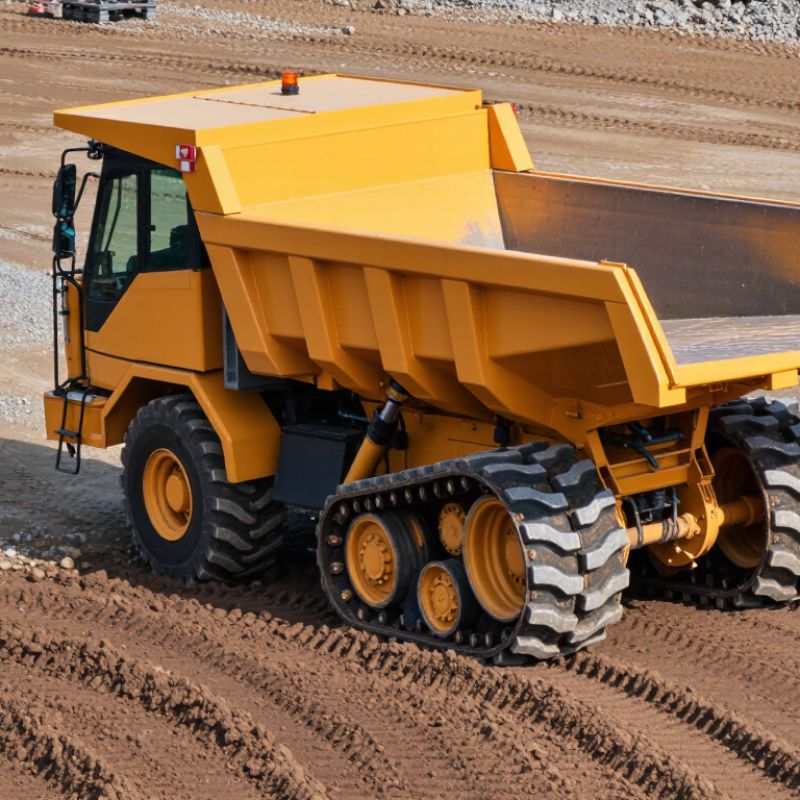
7 Tips to Choose the Best Dumper Tracks
Define the Jobsite Requirements for Your Dumper Tracks
Start with the ground, not the machine brochure. Measure the payload, slope, travel distance, and working hours. Record soil conditions after rain. Mud, gravel, clay, and broken concrete create very different track demands. A narrow access route may require compact tracks, while soft ground needs wider tracks and lower ground pressure. Check undercarriage clearance near drainage channels and loading ramps.
Tip 1: Match track width to soil strength and access limits. Tip 2: Choose the tread pattern for traction, cleaning, and expected wear. Tip 3: Confirm the track’s rated load exceeds the dumper’s real operating weight.
The U.S. Bureau of Labor Statistics recorded 1,075 fatal construction workplace injuries in 2023. That figure supports disciplined site planning, although tracks alone cannot control every hazard.
Heat, sharp debris, and long shifts also matter. Rubber tracks may reduce surface damage, but steel tracks can offer stronger resistance against cutting materials. KHL Group’s 2024 Yellow Table reported global construction equipment sales above 240 billion dollars. The market is broad, yet equipment selection remains highly site-specific. Ask for documented load ratings, dimensions, compound details, and maintenance intervals. ISO-based testing information is useful, but field evidence deserves equal attention. I have seen clean specifications fail after one wet season. Recheck the choice after a trial shift.