Best Tips for Choosing HDPE Cutting Board Material?
When selecting a cutting board, the choice of material can significantly impact kitchen safety and food hygiene. Hdpe Cutting Board Material is becoming a popular option. Research shows that HDPE, or high-density polyethylene, is non-toxic and highly durable. It is resistant to stains and odors, making it an excellent choice for food preparation.
A study by the USDA revealed that plastic cutting boards, especially HDPE, have lower bacterial contamination risks than traditional wooden boards. They are easier to sanitize and maintain. However, not all HDPE cutting boards are equal in quality. Some may warp or develop knife marks more quickly than others. It's essential to consider thickness and texture in your selection.
While HDPE offers numerous advantages, it is not without limitations. Over time, scratches can harbor bacteria if not properly cleaned. Consumers should also be aware of the environmental impact; while HDPE is recyclable, the production process can be resource-intensive. Choosing the right HDPE cutting board material requires careful evaluation of both safety and sustainability factors.
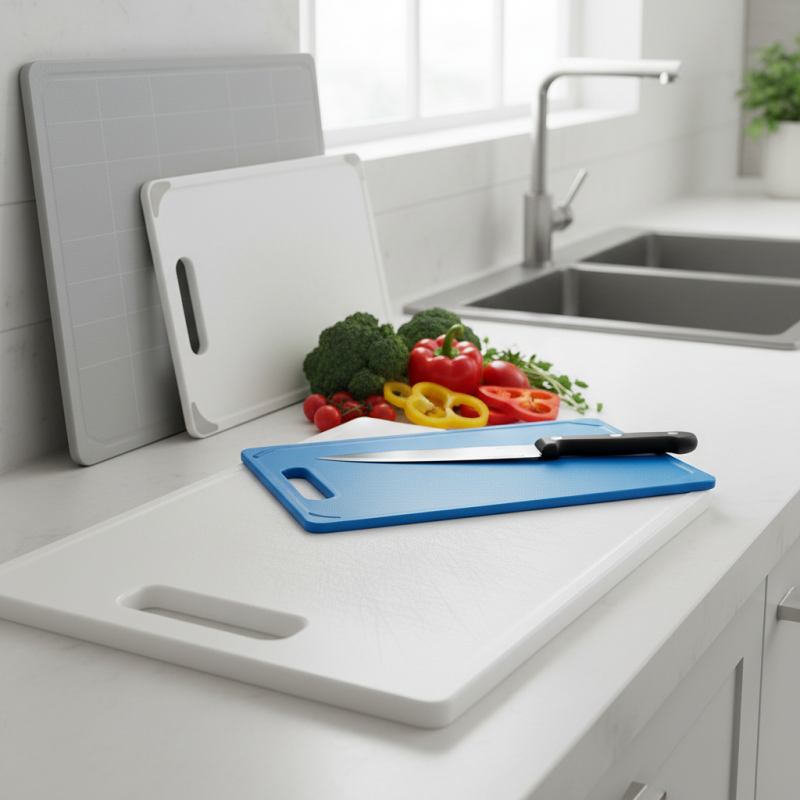
Understanding HDPE: Properties and Benefits for Cutting Boards
When selecting a cutting board, understanding the properties of HDPE is essential. High-Density Polyethylene (HDPE) is a robust material known for its durability and resistance to impact. This makes it less likely to chip or crack over time, providing a long-lasting cutting surface. Additionally, HDPE is non-porous, which means it does not absorb liquids. This property helps prevent bacterial growth, ensuring your food remains safe.
Another advantage of HDPE is its flexibility in design. It comes in various thicknesses and colors, allowing you to choose one that fits your kitchen aesthetics. However, while HDPE cutting boards are highly reliable, they can show scratches over time. Regular maintenance, such as sanding down the surface, may be necessary to keep it in top shape. It’s worth considering that even though HDPE is generally safe, proper cleaning is crucial. Not all chemical cleaners are suitable, and using the wrong type could affect its longevity.
Best Tips for Choosing HDPE Cutting Board Material
The above chart displays the key properties of HDPE cutting boards. Each property is rated on a scale from 1 to 10, providing a clear visual representation of the strengths of HDPE material compared to other materials used for cutting boards.
Factors to Consider When Choosing HDPE Cutting Board Thickness
When selecting the thickness of an HDPE cutting board, several factors play an essential role. The thickness you choose impacts usability and durability. A thinner board is lighter and easier to handle. However, it may warp over time with repeated use. A standard thickness of 1 to 1.5 inches generally provides a good balance between stability and ease of use.
Consider how often you cook. If you frequently prepare raw meats, a thicker board may be ideal. It offers better resistance to knife cuts and deep grooves. Thicker boards can withstand heavy chopping without damaging. Yet, if space for storage is limited, a thinner option might be more practical.
Weight is another factor. Heavier boards tend to stay stable during use. A lighter board can move around, causing accidents. However, heavy boards can be cumbersome to clean and store. Reflect on your kitchen habits and choose accordingly. A thoughtful choice today can enhance your cooking experience tomorrow.
Best Tips for Choosing HDPE Cutting Board Material
| Factor | Description | Recommended Thickness (inches) |
| Durability | HDPE is resistant to cracking, chipping, and warping, making it suitable for heavy usage. | 0.5 - 1.5 |
| Weight | Heavier cutting boards provide stability during use. | 1.0 - 2.0 |
| Surface Texture | Smooth surfaces are easier to clean, while textured surfaces can provide better grip. | 0.5 - 1.0 |
| Color Coding | Different colors can be used to prevent cross-contamination of food. | 0.5 - 1.5 |
| Ease of Maintenance | HDPE boards are dishwasher safe and resist absorbing odors. | 0.5 - 1.5 |
| Cost | Consider budget constraints while ensuring quality standards are met. | 0.5 - 1.5 |
Evaluating Color and Design Options for HDPE Cutting Boards
When selecting HDPE cutting boards, color and design play significant roles. These aspects can enhance your kitchen’s aesthetics while maintaining functionality. Bright colors may add a pop to your kitchen, making it more inviting. However, darker shades can hide stains better, prolonging the board’s clean appearance.
When considering color, think about your cooking habits. If you often work with raw meats, a distinct color can help you designate boards for different food types. This practice promotes food safety and reduces cross-contamination. You might also enjoy playful, patterned designs if your kitchen ambiance is vibrant.
Tips for color selection include choosing shades that contrast with your food. Light foods on dark boards are easier to see, improving cutting precision. Also, keep in mind that some colors may fade over time with frequent washing. It’s essential to balance aesthetics with practicality. Reflect on how often you use the board and its exposure to light and water. Make your choice based on everyday needs rather than just looks.
Maintenance and Care Tips for Longevity of HDPE Cutting Boards
Maintaining the longevity of HDPE cutting boards requires some attention to detail. Regular cleaning is essential. Hot, soapy water works well after each use. Avoid harsh chemicals. They can damage the surface or affect safety. Rinse thoroughly and allow the board to air dry. This simple practice prevents bacteria buildup.
Storage is also important. Stacking cutting boards can lead to scratches. Instead, try to store them upright. This reduces contact and helps maintain their shape. If scratches do occur, they are often superficial. Lightly sanding the surface can restore smoothness.
Occasionally, food odors may linger. To combat this, a mixture of baking soda and water can work wonders. Apply paste, let it sit for a few minutes, then scrub gently. Remember that while HDPE is durable, improper care can lead to premature wear. Keep an eye on the board and replace it when it shows significant signs of damage.
Comparing HDPE with Other Cutting Board Materials: Pros and Cons
When comparing HDPE cutting boards with other materials, several factors come into play. HDPE, or high-density polyethylene, offers unique advantages. One significant benefit is its durability. According to industry reports, HDPE boards can last over 5 years with proper care. This longevity makes them a cost-effective choice for both home chefs and professional kitchens.
In contrast, wooden cutting boards provide a warm aesthetic and are gentle on knife blades. However, they require more maintenance and can harbor bacteria if not properly cleaned. A study by the USDA revealed that plastics, including HDPE, are less prone to bacterial contamination compared to wood. Still, some users raise concerns about the environmental impact of plastic. Although HDPE is recyclable, its production process often relies on non-renewable resources.
Glass cutting boards are another option. They are non-porous and easy to sanitize, but they can dull knife edges quickly. Interestingly, a survey conducted with culinary professionals found that nearly 70% prefer HDPE over glass for daily use. Users often appreciate the balance of safety, durability, and ease of maintenance that HDPE offers. However, some chefs argue that it lacks the "feel" of wood, prompting users to weigh their personal preferences against these practical considerations.