A shipping container in Ontario is more than a steel box delivered to your driveway. It can become secure storage, a workshop, or a temporary business space. However, its price depends on several practical details, including size, age, condition, delivery distance, and local site requirements.
A standard 20-foot container often costs less than a 40-foot model. Newer “one-trip” units usually have cleaner floors, stronger door seals, and fewer dents. Used containers may offer better value, but inspect the roof, corners, locking bars, and interior for rust or water damage. Delivery can add substantially to the final bill, especially when a crane truck is needed. Ask for a written quote covering tax, transport, placement, and any preparation fees.
Site conditions matter.
In Ontario, municipal zoning and property rules may affect placement. Some locations require a level base, drainage planning, or approval before installation. Snow, ice, and spring thaw can expose weak foundations or poorly sealed doors. A gravel pad, concrete blocks, or another suitable base may be recommended by a qualified supplier, depending on the ground.
This guide explains what a shipping container ontario buyer should examine before paying. It compares common sizes, conditions, delivery concerns, and realistic cost factors. Prices change with supply and location, so online estimates should not replace local quotations. That part is easy to overlook. A cheaper container may become expensive after repairs, transport, and site preparation. Careful inspection remains the safest purchasing decision.
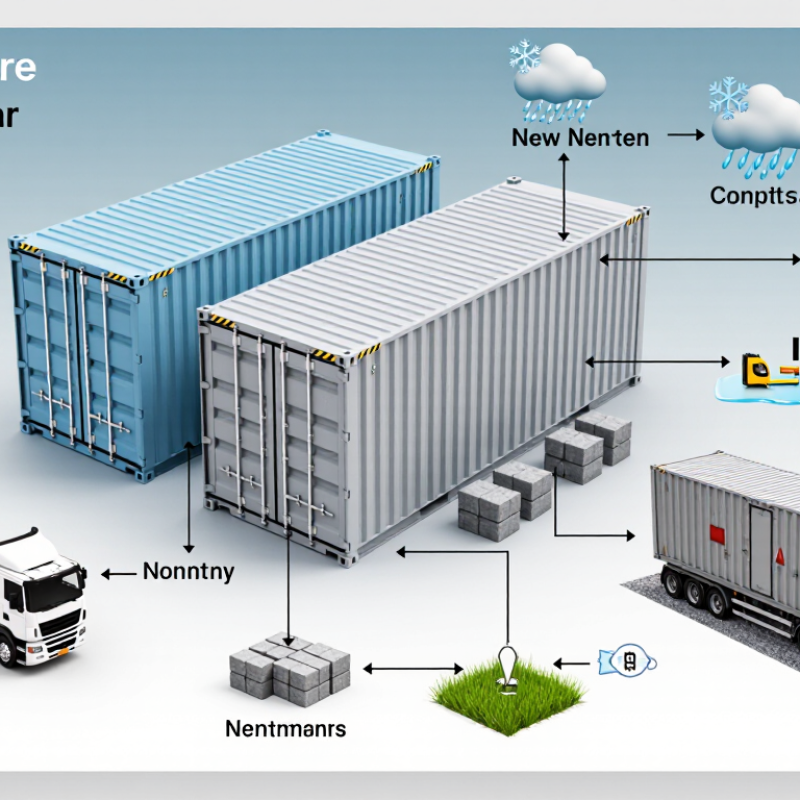
In Ontario, a shipping container is a weather-resistant steel box originally designed to move cargo by ship, rail, and truck. Most units have corrugated steel walls, locking cargo doors, and a heavy plywood floor. Common sizes include 20 feet and 40 feet in length. Their standard width is about eight feet.
People use containers for equipment storage, renovation materials, farm supplies, and temporary site offices. However, a container is not automatically a legal building. Municipal zoning, permits, property access, and placement rules may apply. Local requirements can differ between cities and rural areas. Checking with the municipality before delivery prevents expensive changes later.
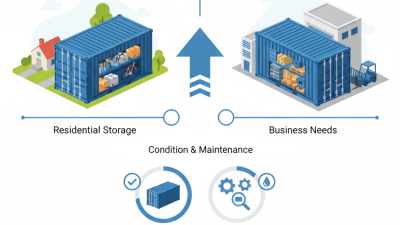
Condition affects both safety and price. A used 20-foot container may cost roughly CAD 2,000 to CAD 4,500, while a 40-foot unit may range from CAD 3,000 to CAD 6,500. Delivery, unloading, tax, modifications, and difficult site access can add substantially. Prices change with location and availability. Inspect the roof seams, door seals, floor, and corner posts. A container can look solid and still leak after heavy rain. Small details matter. Some units have dents, surface rust, or odors from previous cargo. These issues are not always serious, but they deserve careful questions and photographs before purchase.
A shipping container is a steel, weather-resistant storage unit commonly used for construction, transport, and on-site storage. The chart shows indicative Ontario purchase prices in Canadian dollars for common container sizes and conditions. Prices generally exclude delivery, site preparation, taxes, and modifications.
Indicative market ranges: used 20-foot containers are commonly around CAD 2,500–4,500, used 40-foot containers around CAD 3,500–6,500, new 20-foot containers around CAD 5,000–8,000, and new 40-foot containers around CAD 7,000–12,000. Actual prices vary by condition, delivery distance, availability, and customization.
In Ontario, shipping containers usually come in standard dry, high-cube, refrigerated, open-top, and flat-rack models. Standard dry containers protect general cargo from rain and snow. High-cube units provide about 30 centimetres of extra height. That space matters.
The most common lengths are 20 feet and 40 feet. A 20-foot container measures approximately 6.06 metres long and holds about 33 cubic metres. A 40-foot standard unit measures about 12.19 metres and holds roughly 67 cubic metres. A 40-foot high-cube container offers nearly 76 cubic metres. Some suppliers also carry 10-foot and 45-foot units, but availability can vary across Ontario. These dimensions follow ISO 668 standards, although internal space changes slightly with wall thickness and door design.
Refrigerated containers maintain controlled temperatures, but they need reliable electrical service and regular equipment checks. Open-top containers suit tall machinery, while flat racks handle unusually wide or heavy loads. UNCTAD’s Review of Maritime Transport 2024 reported global container-ship capacity above 29 million TEU, showing how strongly standardized equipment supports international logistics. However, global supply does not guarantee local availability. A used Ontario container may have surface rust, dents, or worn flooring. The floor matters. Inspect door seals, corner posts, locking bars, and evidence of water entry before committing. A common planning mistake is choosing by length alone; access clearance, delivery space, insulation, and loading height can change the practical value.
A shipping container in Ontario is a steel storage unit designed for transport and secure on-site use. The price depends on its size, condition, age, and delivery distance. A used 20-foot container often costs about CAD 2,500 to CAD 5,000. A used 40-foot unit may range from CAD 4,500 to CAD 8,000. New or “one-trip” containers usually cost more, often between CAD 5,000 and CAD 10,000. These figures are practical estimates, not fixed quotes. Local availability can change the price quickly.
Delivery is easy to overlook. A truck may charge CAD 300 to CAD 1,500, depending on distance, access, and unloading equipment. Ground preparation may add another CAD 500 or more. Monthly rental commonly ranges from CAD 100 to CAD 250, but longer terms may reduce the rate. Modifications, insulation, shelving, locks, and electrical work increase the final cost.
Taxes may also apply. A narrow driveway, soft soil, or overhead wires can create unexpected charges. Measure the site carefully. Ask for a written quote that includes delivery, taxes, pickup, and any required equipment. A low container price can be misleading when these extras appear later. It is also wise to inspect doors, flooring, roof seams, and visible corrosion before paying. I would not assume “wind and watertight” means perfect condition; that phrase can hide small leaks or worn seals. Prices change, and estimates deserve checking.
In Ontario, shipping container prices depend on more than the steel box itself. Size is a major factor. A standard 20-foot container usually costs less than a 40-foot model, while high-cube units provide extra interior height. Newer containers often have cleaner floors, tighter doors, and fewer repairs. Used units may cost less, but rust, dents, and damaged seals can change the real value.
Condition matters greatly. Inspect the roof, corner posts, locking bars, and wooden flooring before paying. A fresh coat of paint can hide problems. It happens. Container age also affects pricing, although age alone does not prove poor quality. A well-maintained older unit may outperform a neglected newer one. Delivery distance, fuel costs, and difficult site access can add several hundred dollars. A narrow driveway or soft ground may require special equipment.
Ontario weather and seasonal demand can influence availability. Prices may rise when construction, farming, or storage demand increases. Modifications also raise the cost. Doors, windows, shelving, insulation, ventilation, and electrical work require materials and skilled labour. Delivery, taxes, site preparation, and permits may not appear in the advertised price. Ask for a written quote with every charge listed. This small step prevents uncomfortable surprises. Local zoning rules should also be checked before placing a container on private property. A low purchase price is not always the lowest total cost.
| Data Dimension | Typical Ontario Information | Indicative Price or Specification | Main Factors Affecting the Result |
|---|---|---|---|
| What a shipping container is | A standardized steel cargo box used for transporting, storing, or modifying goods. | Common lengths are 20 ft and 40 ft; standard exterior width is approximately 8 ft. | Container age, structural condition, intended use, and available local inventory. |
| 20-foot used container | Suitable for household storage, construction materials, tools, and general cargo. | Approximately CAD $2,500–$4,500, before tax and delivery. | Cargo-worthy certification, floor condition, door operation, rust, wind and water tightness, and regional supply. |
| 40-foot used container | Provides roughly twice the floor area of a 20-foot unit and is often used for larger storage requirements. | Approximately CAD $3,500–$6,500, before tax and delivery. | Age, condition, delivery distance, container availability, and whether the unit is standard or high-cube. |
| New or one-trip 20-foot container | Usually has limited prior use and a cleaner exterior and interior than a typical used unit. | Approximately CAD $4,500–$7,500, before tax, delivery, and site preparation. | Steel prices, production location, import costs, availability, paint colour, and delivery timing. |
| New or one-trip 40-foot container | Offers greater capacity and generally better cosmetic condition than older used equipment. | Approximately CAD $6,500–$10,000, before tax, delivery, and site preparation. | Manufacturing costs, shipping demand, container grade, high-cube height, and local stock levels. |
| Standard 20-foot dimensions | Exterior dimensions are approximately 20 ft long × 8 ft wide × 8 ft 6 in high. | Interior floor area is about 146 sq. ft.; internal height is about 7 ft 9 in. | Manufacturer tolerances, container type, wall thickness, and whether the unit is high-cube. |
| Standard 40-foot dimensions | Exterior dimensions are approximately 40 ft long × 8 ft wide × 8 ft 6 in high. | Interior floor area is about 300 sq. ft.; internal height is about 7 ft 9 in. | Container type, structural design, internal dimensions, and access limitations at the delivery site. |
| High-cube option | A high-cube container is approximately 9 ft 6 in high, providing about one additional foot of internal height. | Often costs roughly CAD $300–$1,000 more than a comparable standard-height unit. | Availability, size, condition, demand, and the need for additional clearance on the property. |
| Delivery within Ontario | Delivery is normally completed by a tilt-bed truck or truck equipped with a side-lift system. | Approximately CAD $300–$1,500+, depending on distance and site conditions. | Mileage, fuel costs, urban access, rural location, road restrictions, unloading method, and waiting time. |
| Site preparation | A level, firm surface is recommended to keep doors aligned and reduce standing water beneath the unit. | Basic preparation may cost CAD $100–$1,500+; gravel, concrete, or difficult excavation can cost more. | Ground conditions, drainage, foundation type, grading, access for equipment, and local labour rates. |
| Condition and grade | Common descriptions include used, wind-and-water-tight, cargo-worthy, and one-trip. | A higher-grade unit can add CAD $500–$3,000+ compared with an older storage-grade unit. | Age, dents, corrosion, roof condition, floor damage, seals, locking bars, and inspection requirements. |
| Doors and access features | Standard units usually have end doors; some models include side-opening or double-door access. | Special door configurations may add CAD $800–$3,000+. | Door size, factory modifications, hardware, installation complexity, and availability. |
| Modifications | Possible modifications include personnel doors, windows, ventilation, lighting, insulation, shelving, and electrical work. | Basic modifications may start around CAD $500; extensive conversions can exceed CAD $10,000. | Number of openings, materials, engineering, electrical standards, insulation level, and interior finishing. |
| Seasonal and market demand | Prices can change as construction activity, international trade, and regional inventory change. | Market movement of approximately 5%–20% over a selling season is possible. | Port supply, manufacturing output, freight rates, construction demand, exchange rates, and local shortages. |
| Taxes and total purchase cost | The advertised container price may not include delivery, tax, site preparation, permits, or modifications. | Budget for the container price plus delivery, applicable Ontario sales tax, foundation work, and upgrades. | Tax treatment, delivery location, installation requirements, municipal rules, and selected features. |
Pricing note: The amounts shown are indicative Canadian-dollar ranges for Ontario and are generally quoted before applicable sales tax, delivery, site preparation, and custom modifications. Actual prices vary by location, inventory, condition, and delivery requirements.
What Is a Shipping Container in Ontario and How Much?
A shipping container is a weather-resistant steel box used for transport, storage, or approved construction purposes. In Ontario, prices vary by size, age, condition, and delivery distance. A used 20-foot container may cost less, but repairs can change the final budget. Inspect the doors, floor, roof, locking bars, and signs of water entry. Check whether the container has a clear ownership history. A rental can suit short-term storage, while buying may be more practical for long-term use. The cheaper choice is not always cheaper.
How to Buy, Rent, Deliver, and Use a Container Legally?
Before ordering, contact your local municipality. Zoning rules may control placement, setbacks, appearance, lot coverage, and rental duration. A building permit may be required, especially for permanent foundations, major alterations, insulation, plumbing, or electrical work. Ask the municipality for written guidance. Rules can differ between neighboring communities.
Delivery needs planning. Measure the gate, driveway, turning area, overhead wires, and ground clearance. A large truck may need temporary road access approval. Confirm who pays for permits, failed delivery attempts, leveling, and crane service. Get these details in writing. Prepare a stable base using suitable blocks or gravel. Keep the container away from drainage problems and property lines.
Use it only for lawful storage or an approved purpose. Do not treat it as a residence without proper approvals. Ventilation helps reduce condensation, but it cannot fix hidden leaks. Electrical work should be completed by qualified professionals and inspected when required. Keep insurance documents, rental terms, permits, and delivery photos. The easy assumption is that a container needs no approval. That assumption can fail.