Top 10 Garden Sprinkler Tips for Perfect Lawn Care?
Caring for your lawn requires more than just regular mowing. A well-maintained lawn is often a reflection of effective watering techniques. According to the U.S. Environmental Protection Agency (EPA), about 30% of residential water use goes to outdoor irrigation. The right Garden Sprinkler can significantly optimize this usage.
Misuse of garden sprinklers can lead to water wastage. Research from the American Water Works Association shows that inefficient watering contributes to over 12 billion gallons of water waste annually in the U.S. This highlights the need for proper sprinkler management. Choosing the right settings and understanding the layout of your garden can enhance efficiency and performance.
Many homeowners overlook the potential for smart technology in irrigation. According to a report by the Irrigation Association, smart irrigation systems can reduce water consumption by 30%. However, despite advancements, many gardens still rely on outdated methods. This raises questions about whether homeowners are informed enough to utilize the latest tools effectively. A deeper understanding of Garden Sprinklers can lead to not just a healthier lawn, but also a more sustainable future.
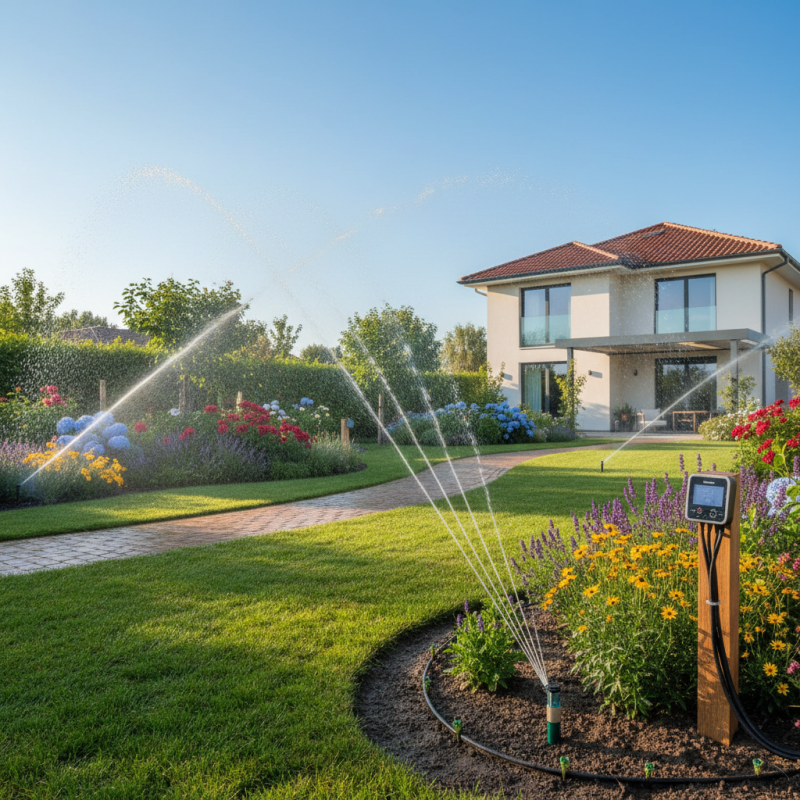
Understanding the Importance of Lawn Watering: Statistics and Benefits
Lawn watering plays a crucial role in maintaining a healthy garden. Statistics show that lawns require around 1 to 1.5 inches of water per week. This hydration sustains grass growth, promotes lush greenery, and improves overall lawn aesthetics. Moreover, properly watered lawns can reduce soil erosion and help protect local waterways.
However, many homeowners tend to over-water their lawns. This not only wastes water but can also lead to root rot. Understanding the specific needs of your lawn is essential. Different grass types have varied requirements. For instance, cool-season grasses may need more water in spring and fall, while warm-season varieties thrive in summer.
Utilizing efficient sprinkler systems can address these needs. Regularly checking these systems ensures they distribute water evenly. Often, a simple adjustment can lead to better coverage. Remember, water early in the morning or late in the evening to minimize evaporation. Striving for balance in lawn care can lead to better results over time.
Choosing the Right Type of Sprinkler System for Your Lawn Size and Shape
When selecting a sprinkler system, it's essential to consider your lawn's size and shape. A recent report from the Irrigation Association indicates that yard size significantly influences water usage. Larger lawns may benefit from oscillating or impact sprinklers. These types can cover wide areas effectively, reducing the need for multiple systems.
For uniquely shaped lawns, stationary or drip irrigation systems are often a good fit. Their precision can target specific areas without oversaturation. Data shows that using a drip system can reduce water wastage by up to 30%. It's an efficient choice for garden beds or around trees where water conservation is critical.
Many homeowners overlook the importance of water pressure. Low pressure can affect sprinkler performance. Regular maintenance checks on your water supply are crucial for optimal function. Understanding these nuances can enhance your lawn care and lead to healthier grass. Ultimately, the right system is one that adapts to your specific lawn needs while being mindful of resources.
Top 10 Garden Sprinkler Tips for Perfect Lawn Care
Optimal Watering Schedule: Timing and Frequency Based on Weather Data
Creating an optimal watering schedule for your lawn is essential. Weather data shows that lawns need about 1 to 1.5 inches of water weekly. Check the local weather for rainfall. If the forecast predicts rain, adjust your watering accordingly. This can save water and promote healthy growth.
Timing matters too. The best times to water are early mornings or late afternoons. Watering during these hours minimizes evaporation. Research indicates that watering at these times can improve water infiltration into the soil. Evening watering, although convenient, can promote fungal diseases due to extended moisture on grass blades.
Frequency should also consider your lawn’s specific conditions. Soils vary, and some may retain moisture longer than others. Sandy soils drain faster and may need more frequent watering. Conversely, clay soils retain water but can become compacted. Regularly check your lawn’s moisture level. Avoid a rigid schedule. Be flexible based on the weather and your lawn's health. This adaptability will lead to a more resilient and lush lawn.
The Impact of Soil Type on Water Absorption and Sprinkler Efficiency
Understanding your soil type is crucial for effective lawn care and sprinkler efficiency. Soil can vary significantly in texture and composition. Sandy soils drain quickly, while clay soils retain water. This difference affects how much water your lawn actually receives, even with the best sprinkler system.
Consider how your soil interacts with water. If your soil drains too quickly, you might need a more frequent watering schedule. On the other hand, clay soils may require deeper watering to ensure moisture reaches the roots. Observing how water absorbs can reveal a lot. You may find some areas of your lawn receive too much water, leading to runoff. Other spots may remain dry, starving your plants.
Remember that different plants have different needs. Understanding the unique requirements of your lawn can help you adjust your watering habits. If certain patches dry out quickly, think about improving those areas. Maybe add organic matter or change your watering patterns. Effective lawn care means adapting to the conditions you have. Pay attention and refine your approach for healthier grass.
Common Mistakes to Avoid with Garden Sprinklers and Their Consequences
One common mistake in lawn care is overwatering. Studies show that the average homeowner uses 30% more water than necessary. This not only leads to water waste but also weakens grass roots. When grass becomes waterlogged, diseases such as root rot can thrive. It often goes unnoticed until the damage is severe, leading to costly lawn repairs.
Underwatering is another frequent error. Many gardeners think less is more. However, a well-hydrated lawn needs consistent moisture. Research indicates that lawns require about 1 to 1.5 inches of water weekly. Failing to meet this need can cause the grass to go dormant and eventually die. A lack of water also encourages weed growth, worsening lawn health.
Improper sprinkler placement can also hinder lawn care. Sprinklers should cover the entire area without creating puddles. If the water is uneven, some areas may get too much, while others get too little. This inconsistency can damage the overall look and health of your lawn. Regularly check your system to ensure it functions efficiently and correct any problems promptly.