What is Fiberboard Medium Density Board and Its Applications?
Fiberboard Medium Density Board is a versatile material known for its durability and adaptability. It is made from wood fibers combined with adhesives, providing exceptional strength. This board is widely used in furniture, flooring, and cabinetry due to its smooth surface and ease of use.
The applications of Fiberboard Medium Density Board are diverse, showcasing its importance in the construction and design industries. It serves as an ideal substrate for veneers and laminates, enhancing aesthetic appeal. Many choose this board for its sound insulation properties, making it suitable for a variety of environments.
However, it is essential to acknowledge potential drawbacks as well. Some may find that Fiberboard Medium Density Board is sensitive to moisture. Understanding its limitations is crucial for those looking to utilize this material effectively. Therefore, careful evaluation and consideration of conditions are necessary to ensure optimal performance.
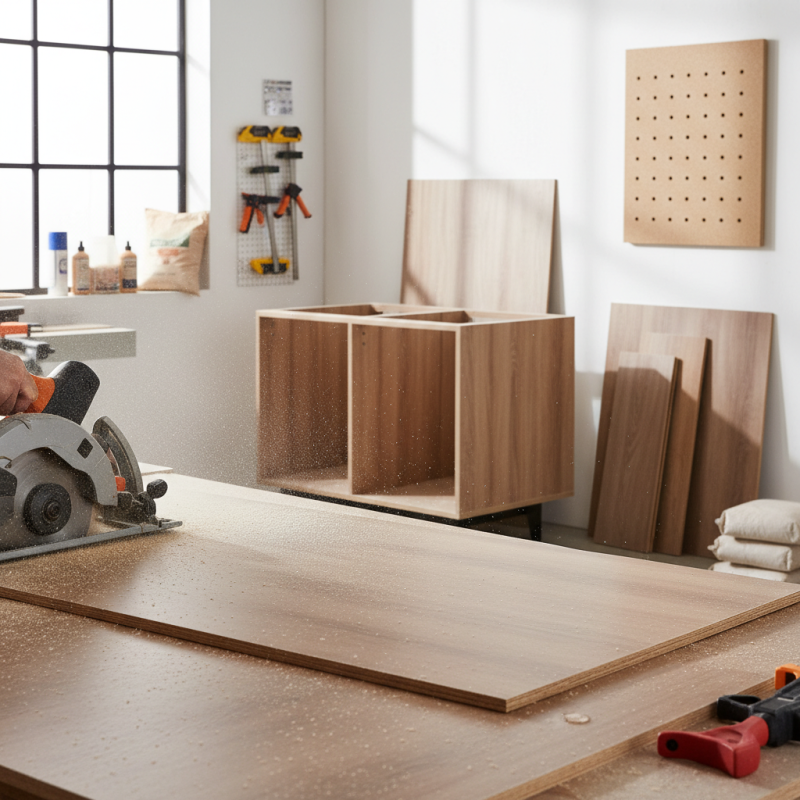
What is Fiberboard Medium Density Board?
Fiberboard Medium Density Board (MDF) is a type of engineered wood product made from wood fibers, wax, and resin. The manufacturing process involves breaking down wood into fibers and then applying heat and pressure to form dense sheets. This results in a strong and versatile material that has gained popularity in various applications.
MDF is known for its smooth surface, making it ideal for furniture, cabinetry, and decorative moldings. It is easy to cut and shape, allowing for intricate designs. The board can be painted or veneered, providing aesthetic flexibility. Homeowners and professionals often choose MDF for its affordability and durability.
Tips: When working with MDF, always wear a mask. The dust created during cutting can irritate the respiratory system. Proper ventilation is crucial. Use a fine blade saw to achieve clean edges and minimize dust.
Another consideration is the susceptibility of MDF to moisture. It absorbs water readily, which can lead to swelling and damage. Apply a suitable sealant if the board will be exposed to humidity. Reflecting on these factors will help users make informed decisions about using MDF.
Historical Development of Medium Density Fiberboard (MDF)
Medium Density Fiberboard (MDF) has a rich history dating back to the 1960s. Engineers in the United States developed it as an alternative to traditional wood products. They aimed to create a material that combined strength and versatility. The process involved breaking down wood fibers, mixing them with adhesives, and compressing them into dense sheets. This innovation marked a significant shift in woodworking.
Over the years, MDF gained popularity across various industries. Its smooth surface made it ideal for furniture and cabinetry. Additionally, the material is easier to work with than solid wood, allowing for intricate designs. However, the production of MDF raises environmental concerns. The adhesives used often contain formaldehyde, making emissions a point of contention. As awareness of sustainability increased, manufacturers began exploring alternatives.
Today, MDF continues to evolve. New production methods are emerging, focusing on reducing harmful substances. Companies are experimenting with different fibers and eco-friendly glues. This ongoing development reflects a commitment to creating safer, more sustainable building materials. However, challenges remain, particularly around waste management and long-term durability. The journey of MDF is ongoing, intertwining innovation with environmental responsibility.
Key Properties and Characteristics of MDF Fiberboard
Medium Density Fiberboard (MDF) exhibits unique properties that enhance its appeal in various applications. It is created from wood fibers, wax, and resin, which results in a dense and uniform product. MDF typically has a density ranging from 600 to 800 kg/m³. This consistent density contributes to its outstanding machinability, making it easy to cut, mold, and shape for various uses.
One of the key characteristics of MDF is its smooth surface, free of knots or rings found in solid wood. This smoothness makes it ideal for high-quality finishes and veneers. Reports indicate that around 60% of MDF is used in furniture production, where aesthetics and durability are paramount. However, MDF is also susceptible to moisture, which can be a drawback in humid conditions. Some manufacturers are now developing moisture-resistant MDF to address this issue.
Additionally, the environmental impact of MDF has come under scrutiny. While it utilizes wood by-products and reduces waste, the resins used can emit volatile organic compounds (VOCs). As demands for sustainable materials rise, the industry is exploring eco-friendly alternatives. This shift reflects a need for ongoing improvement and innovation in the production of MDF, highlighting both its versatility and its challenges in sustainability.
Applications and Properties of Medium Density Fiberboard (MDF)
Medium Density Fiberboard (MDF) is widely used in various applications. The bar chart above illustrates the percentage distribution of its applications across different sectors, highlighting its predominant use in furniture manufacturing.
Common Applications of Medium Density Fiberboard in Industries
Medium Density Fiberboard (MDF) is widely used across various industries due to its versatile properties. Its smooth surface allows for easy painting and lamination, making it a preferred choice for furniture production. According to a recent market report, MDF demand in the furniture sector is expected to grow by over 8% annually until 2025. This growth signifies the material's prominence in creating durable and aesthetically pleasing products.
In the construction industry, MDF serves as an ideal material for cabinetry, shelving, and moldings. Its ability to be easily machined into intricate designs provides architects and designers with creative freedom. However, the environmental impact of MDF production raises concerns. A study indicated that the manufacturing process can generate significant CO2 emissions. As sustainability becomes a priority, the industry must explore greener alternatives and improve production methods. This balance between functionality and environmental responsibility remains a critical area of reflection for manufacturers.
Market Trends and Future Outlook for MDF Fiberboard Usage
The market for Medium Density Fiberboard (MDF) continues to grow, driven by diverse applications across various industries. According to a report by Grand View Research, the global MDF market size was valued at approximately USD 21 billion in 2022. This trend indicates a robust demand in construction, furniture, and interior design sectors. As consumers increasingly prefer eco-friendly materials, MDF's recyclable nature appeals to both manufacturers and buyers.
In recent years, innovations in production techniques have led to enhanced quality and sustainability in MDF products. For instance, emerging technologies allow for the incorporation of recycled wood fibers. This not only reduces waste but also aligns with sustainability goals. However, the market faces challenges such as fluctuating raw material prices and processing costs, which may impact production in the short term.
Future outlooks suggest a steady increase in demand for MDF, particularly in developing regions like Asia-Pacific. As urbanization rises, so do the opportunities for MDF in interior applications. Yet, industry stakeholders must address potential supply chain vulnerabilities to maintain steady growth. Balancing demand with resource availability will be crucial in shaping the MDF landscape over the next few years.