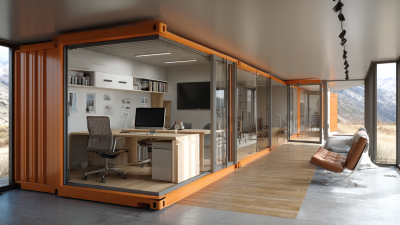
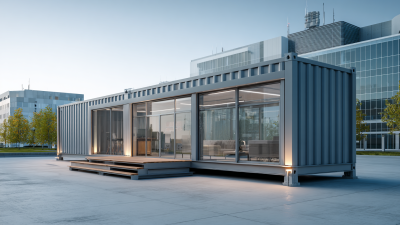
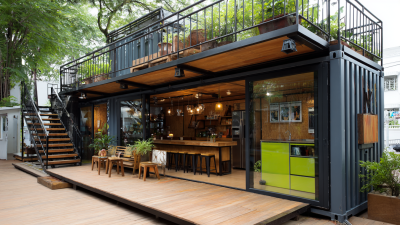
What is Container Conversions and How Can They Transform Your Space
The rise of urbanization and the need for innovative real estate solutions have paved the way for container conversions, a flexible and sustainable approach to space utilization. According to a report by Grand View Research, the global modular construction market—which includes container conversions—is projected to reach USD 157.29 billion by 2027, growing at a CAGR of 6.5%. This indicates a significant trend towards alternative building methods that prioritize efficiency and adaptability.
Container conversions involve repurposing shipping containers into livable and functional spaces, such as homes, offices, and retail environments. This method not only helps to mitigate housing shortages but also reduces the carbon footprint associated with traditional construction. A study from the World Green Building Council revealed that buildings account for nearly 39% of global carbon emissions, highlighting the vital need for sustainable practices in the industry. By utilizing containers, developers can create eco-friendly spaces while optimizing resource usage.
As cities evolve and expand, container conversions offer a versatile solution to meet changing demands. Their modular nature allows for quick deployment and flexibility in design, making them suitable for various applications in both urban and rural settings. By embracing container conversions, communities can reinvent their landscapes and foster innovative living and working environments that reflect the needs of modern society.
What is Container Conversions?
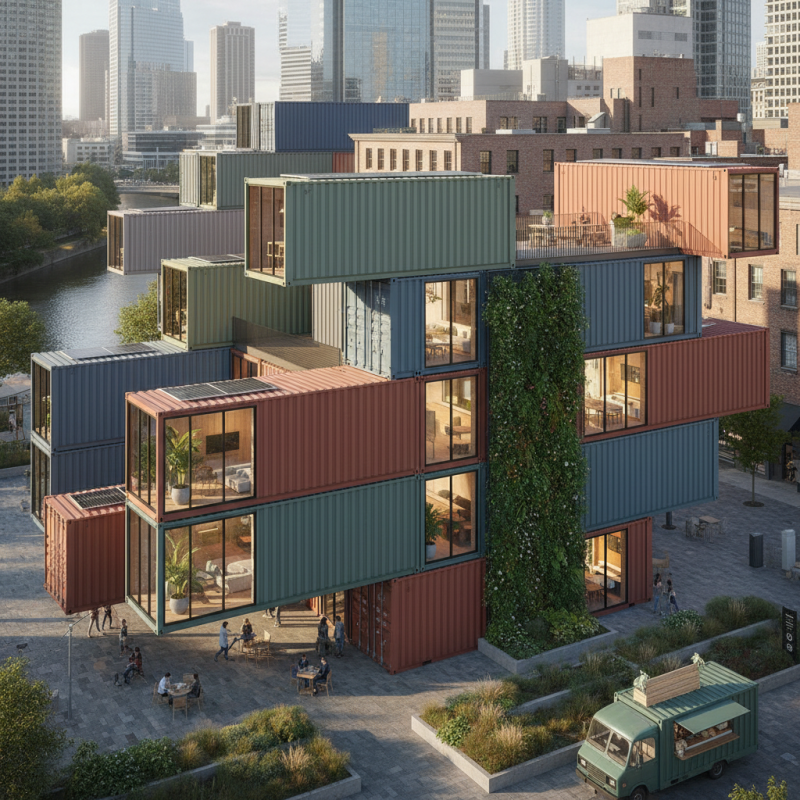
Container conversions refer to the process of repurposing shipping containers into functional spaces for various uses. This innovative approach capitalizes on the durability and versatility of steel containers, transforming them into homes, offices, studios, and more. With their modular nature, these containers can be easily modified, stacked, or combined to create unique designs that cater to individual needs and tastes.
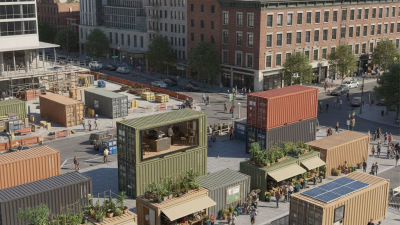
The growing popularity of container conversions stems from their sustainability and cost-effectiveness. As the world increasingly seeks eco-friendly solutions, using repurposed materials helps reduce waste and minimizes the carbon footprint associated with traditional building methods. Additionally, container conversions often require less time and investment compared to conventional construction. This practicality opens up new opportunities for urban development, as containers can be placed in underutilized spaces, contributing to the regeneration of communities and offering affordable housing solutions without extensive construction processes.
The History and Evolution of Container Conversions
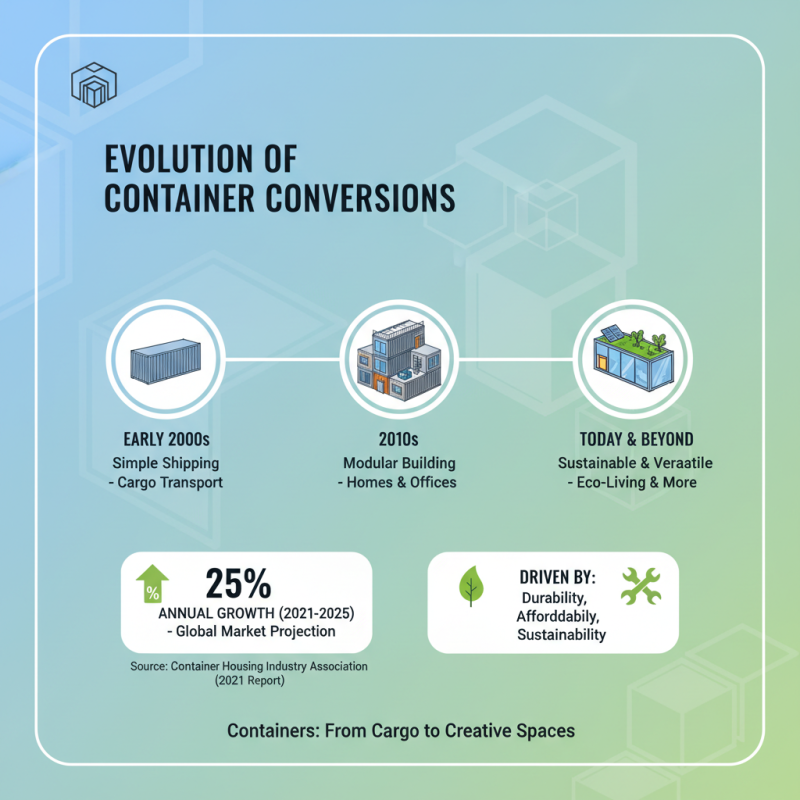
Container conversions have undergone a remarkable evolution since their inception, transforming from simple shipping vessels into versatile living and working spaces. Originally developed for transporting goods efficiently, containers have gained popularity in the construction and design sectors due to their durability and affordability. According to a 2021 report by the Container Housing Industry Association, the global container conversion market is projected to grow by 25% annually, fueled by the demand for sustainable and modular building solutions.
The history of container conversions began in the 1950s, when the intermodal shipping container was first introduced. This innovation revolutionized global trade and logistics, leading to the exploration of alternative uses for these steel boxes. By the late 2000s, architects and designers started repurposing containers for residential and commercial projects, recognizing their potential to create cost-effective and eco-friendly structures. A study published in the Journal of Sustainable Development highlights that converting shipping containers can reduce construction waste by up to 75%, significantly benefiting the environment and addressing housing shortages in urban areas.
Benefits of Using Shipping Containers for Space Transformation
Shipping containers offer an innovative and versatile solution for transforming spaces, making them an increasingly popular choice for various applications. One of the key benefits of using shipping containers for space transformation is their modularity. These containers can be easily modified or combined to create larger living or working areas, adapting seamlessly to different needs. Whether repurposed as homes, offices, or recreational spaces, their robust structure ensures durability while providing an aesthetically pleasing exterior.
Another significant advantage lies in their cost-effectiveness. Utilizing shipping containers can be less expensive than traditional construction, often requiring fewer resources and time. This efficiency allows for quicker project turnarounds, making them ideal for those looking to optimize space without the burden of lengthy construction projects. Additionally, shipping containers are inherently sustainable as they repurpose materials that might otherwise go to waste, contributing to eco-friendly practices. Their adaptability and sustainability make them a remarkable choice for those seeking to redefine their space creatively and responsibly.
What is Container Conversions and How Can They Transform Your Space - Benefits of Using Shipping Containers for Space Transformation
| Feature |
Description |
Benefits |
| Cost-Effective |
Using shipping containers as building materials can be significantly cheaper than traditional materials. |
Lower construction costs allow for budget allocations to other areas of the project. |
| Durability |
Shipping containers are made from high-strength steel and are designed to withstand harsh conditions. |
Provides a long-lasting and resilient structure, minimizing maintenance costs. |
| Flexibility |
Containers can be modified for various uses—from homes to offices to retail spaces. |
Allows for creative and versatile space solutions that adapt to changing needs. |
| Sustainability |
Repurposing shipping containers reduces waste and promotes recycling. |
Supports eco-friendly construction practices, appealing to environmentally-conscious consumers. |
| Speed of Construction |
Containers can be delivered and assembled quickly compared to traditional buildings. |
Accelerates project timelines, leading to quicker occupancy and utilization. |
Different Types of Container Conversions and Their Applications
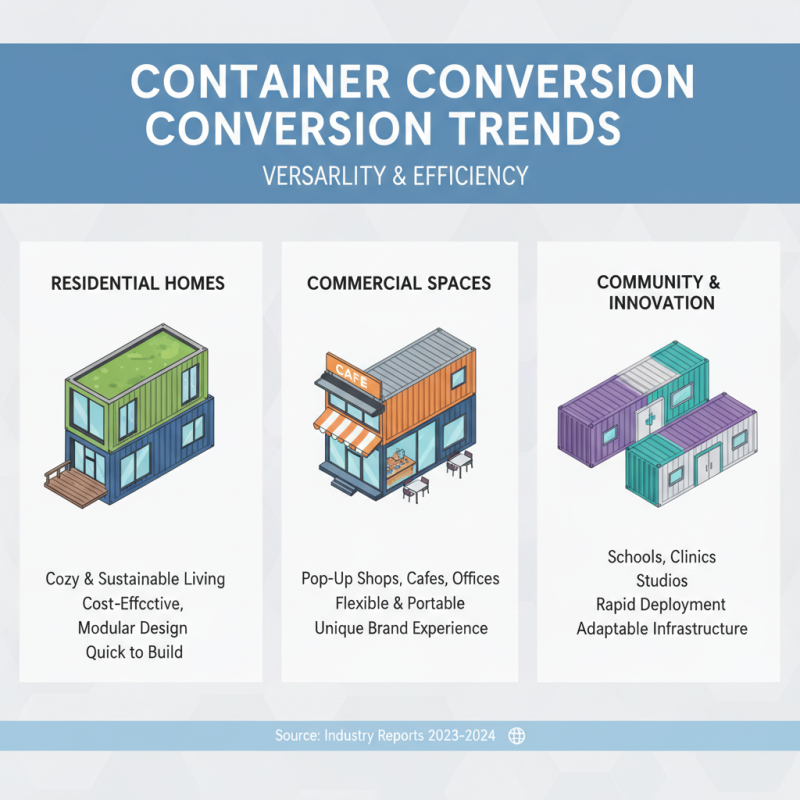
Container conversions have gained immense popularity due to their versatility and efficiency, offering innovative solutions across various sectors. One common type of container conversion is for residential purposes. Shipping containers can be transformed into cozy homes, providing a sustainable and cost-effective alternative to traditional housing. These conversions can range from simple structures with basic amenities to elaborate multi-story designs. Their modular nature allows for flexibility in layout and design, appealing to those seeking unique living spaces.
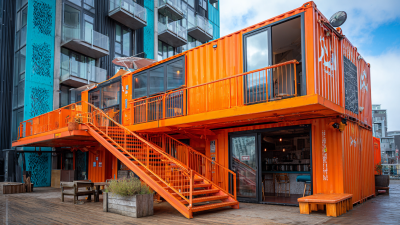
Another intriguing application of container conversions is in commercial settings, such as cafes, retail shops, and offices. Businesses are increasingly utilizing containers for pop-up shops or permanent establishments, taking advantage of the mobility and relatively low overhead costs. The customizable nature of these containers allows for branding opportunities, creating eye-catching establishments that can stand out in bustling urban environments. Additionally, containers can be repurposed for community projects, such as classrooms or recreational spaces, thus fostering a sense of community and providing valuable services in a cost-efficient manner.
Design Considerations for Effective Container Spaces
When considering container conversions, effective design is key to transforming these unique spaces into functional and aesthetically pleasing environments. Research indicates that well-planned container spaces can optimize square footage and enhance utility by as much as 30%. To achieve this, it’s essential to focus on maximizing natural light, ensuring proper ventilation, and implementing strategic spatial layouts. These factors not only improve livability but also contribute to energy efficiency, a growing concern in contemporary architecture.
Tips: Incorporate large windows or skylights to allow natural light to flood in, creating an open and inviting atmosphere. Additionally, use multifunctional furniture to save space while meeting various needs, such as foldable tables or modular seating.
Another crucial design consideration is insulation. Data from industry reports show that inadequate thermal management can lead to energy costs being 25% higher than those in traditional buildings. Proper insulation materials can greatly improve comfort and reduce heating and cooling expenses. Furthermore, thoughtful outdoor spaces, such as decks or gardens, can enhance the overall appeal, providing areas for relaxation and interaction.
Tips: Choose eco-friendly insulation options that align with sustainable practices, which are not only beneficial for the environment but also appealing to eco-conscious consumers. Adding outdoor features like vertical gardens can also maximize limited space and create a beautiful outdoor retreat.
Container Conversions and Their Impact on Space Utilization