How to Choose Steel Fire Escape Doors for Your Building?
When it comes to building safety, the choice of doors is critical. Steel Fire Escape Doors are essential for protecting lives during emergencies. Selecting the right ones is more than just a decision; it can impact evacuation efficiency and overall safety.
These doors must meet specific standards. Consider factors like durability, fire ratings, and design. Steel fire escape doors should withstand extreme heat and resist corrosion. Their ability to open easily in urgent situations can save lives. However, it’s important to reflect on potential shortcomings, such as the weight of the doors or their maintenance needs.
Every building is unique. Assess the layout and occupancy to find the best fit. Misjudging the requirements can lead to unsafe conditions. Ensure your choice enhances safety while being practical. When choosing steel fire escape doors, the balance between functionality and compliance is crucial. This decision deserves careful consideration.
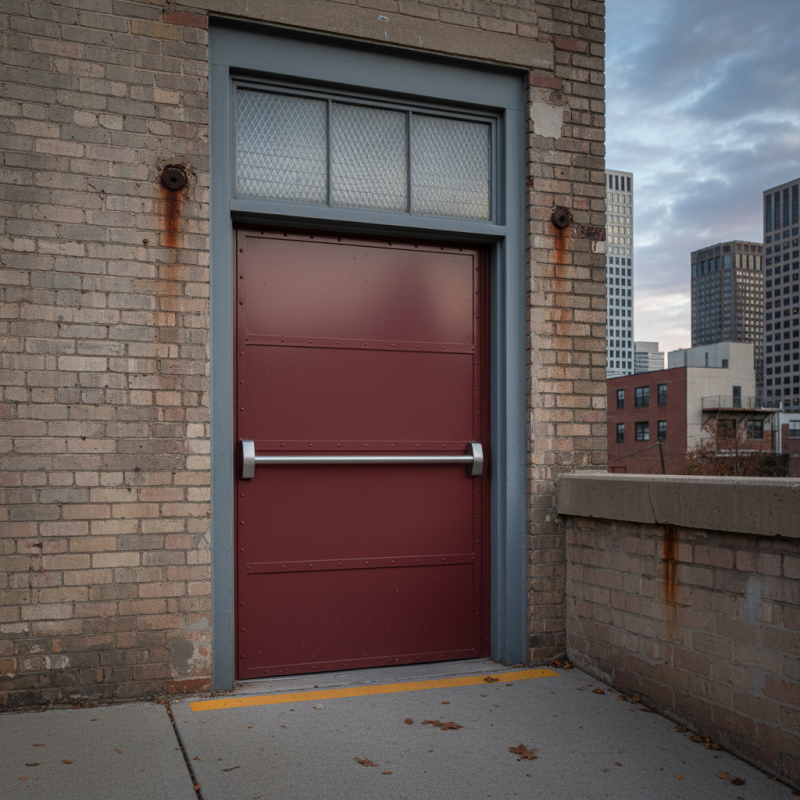
Factors to Consider When Selecting Steel Fire Escape Doors
Choosing the right steel fire escape doors is critical for safety. When selecting them, several factors should come into play. First, consider the material's durability. Steel is best for high-traffic areas where wear and tear are common. A study by the National Fire Protection Association (NFPA) indicates that robust doors can withstand extreme conditions and provide superior fire resistance.
Understanding fire ratings is also vital. Fire doors have varying ratings, which determine how long they can resist fire. Options typically range from 20 minutes to 3 hours. Evaluate your building's specific needs and compliance with local codes. This ensures you’re meeting safety standards while protecting occupants.
Tips: Ensure that the door hardware is compatible with your escape plan. Regular maintenance checks are essential to ensure functionality. Consider the accessibility of these doors during an emergency. Poorly designed exits can hinder safe evacuation. Reflection on past incidents indicates that many fatalities occur due to inaccessible exits.
Incorporating these factors will help create a reliable safety measure in your building.
Types of Steel Fire Escape Doors Available on the Market
When selecting steel fire escape doors, understanding the types available is crucial. There are mainly two types: single and double doors. Single doors are often used in smaller spaces. They're compact and efficient. Double doors provide a wider exit, which is essential in crowded buildings. Their design accommodates a larger number of people quickly.
You also have options like insulated versus non-insulated doors. Insulated doors are beneficial in extreme weather. They maintain the internal environment better. Non-insulated doors, on the other hand, are typically more cost-effective. They are lighter and easier to install. However, they might not be ideal for every climate.
Consider the thickness of the steel. Thicker steel doors can withstand more force. This makes them a safer option against potential intrusions. However, they can be heavier, making installation trickier. Reflecting on these details ensures the doors serve their intended purpose. Each type has its pros and cons, and the choice depends on your building's specific needs.
Building Codes and Regulations for Fire Escape Doors
When selecting steel fire escape doors, understanding building codes and regulations is crucial. These rules ensure safety and minimize risks during emergencies. Different regions may have specific requirements for fire doors, influenced by local fire safety standards. Compliance with these codes can enhance safety in residential and commercial buildings.
For example, some codes require fire doors to withstand high temperatures. Others may dictate the materials used in construction or the door’s installation methods. Often, the fire rating of the door must match the building's specifications. Inspecting existing installations may reveal outdated models that need replacement. Some doors might not meet the latest standards, posing a potential risk.
It’s important to consult local authorities. They can provide insights into current regulations. Though navigating these requirements can be complex, ensuring compliance is non-negotiable. Neglecting to do so could lead to serious consequences. Building owners need to remain proactive in understanding these codes. Regular audits of fire escape doors can identify potential issues before disaster strikes.
How to Choose Steel Fire Escape Doors for Your Building? - Building Codes and Regulations for Fire Escape Doors
| Criteria | Details |
| Material | Steel Type (e.g., Galvanized, Stainless) |
| Fire Rating | 1.5 Hours Minimum |
| Compliance Standards | NFPA, ASTM, and Local Building Codes |
| Door Size | Standard Sizes Available (e.g., 36"x84") |
| Locks and Security | Panic Hardware, Keyless Entry Options |
| Installation Requirements | Proper Frame Reinforcements Needed |
| Maintenance | Regular Inspections Recommended |
Assessing Durability and Safety Features of Steel Fire Escape Doors
When choosing steel fire escape doors, evaluating durability and safety features is crucial. According to a report by the National Fire Protection Association (NFPA), over 3,000 structures catch fire each year. Buildings need reliable escape options. Steel doors can withstand high temperatures. They are sturdy and designed to resist fire for up to 90 minutes. This resistance is vital in emergency situations where every second counts.
Safety features should include secure locking mechanisms and panic bars. Reports indicate that panic bars can facilitate quick exits during a crisis. If a door fails to unlock, lives are at risk. The design of the door frame also matters. A tight-fitting frame minimizes smoke and heat exposure. It contributes to overall safety.
Not all steel fire escape doors are created equal. Some doors may corrode or lose strength over time. Regular maintenance is necessary to ensure their effectiveness. Assess the materials used in the door's construction. Poor-grade steel may compromise safety. A thoughtful selection process can make a significant difference in critical moments.
Cost Considerations and Installation Tips for Fire Escape Doors
When selecting steel fire escape doors, cost considerations play a crucial role. The price varies based on size, design, and materials. Custom designs may increase expenses, while standard options can be more affordable. It's wise to assess not only the upfront cost but also long-term value. Sometimes, cheaper doors might require more frequent replacements or repairs.
Installation tips are equally important. Poor installation can compromise safety and functionality. Engaging professionals can ensure a proper fit. Software helps assess the installation environment. It's essential to measure the opening accurately. Hinges and frames must align correctly. Over time, doors can sag if not installed right. Regular inspections can prevent issues.
Consider accessibility as well. Doors should be easy to operate in an emergency. Some designs may seem attractive but are harder to use quickly. Weighing aesthetics against practicality can be challenging. Taking time to research options is key. Fire safety should never be overlooked.
Fire Escape Door Cost Considerations
This bar chart illustrates the various cost components associated with steel fire escape doors, including material, installation, maintenance, and inspection costs. Understanding these costs can help you make informed decisions when selecting fire escape doors for your building.