
Choosing shipping container storage units in 2026 is about more than finding the lowest price. The right unit should fit your belongings, your site, and the way you plan to use it. A container that works well for tools may not suit furniture, paperwork, or equipment sensitive to moisture. Start by estimating the volume you need, then check both the interior dimensions and the door opening. A few inches can matter when moving in a wide cabinet or pallet.
Condition deserves close attention. Look for clear information about the floor, roof, door seals, ventilation, and signs of rust or past repairs. Ask for recent photos, and arrange an inspection when practical. Dry floors and doors that close smoothly are useful signs, but they do not guarantee that condensation will never occur. Small details matter. Consider airflow, drainage, and whether stored items need extra protection. Measure the access route, too: delivery trucks need room to turn, and the ground must support the container’s weight. A site can look level until rain exposes a soft patch.
Before choosing, compare delivery charges, rental or purchase terms, maintenance responsibilities, and available security features. Ask who handles repairs and what happens if delivery is delayed. The cheapest option may cost more if the unit arrives damaged or cannot be placed where expected. There is no perfect checklist; some site problems only become obvious in person. Use this guide to weigh practical questions carefully and choose a unit that suits your needs—not just one that looks good in a listing.
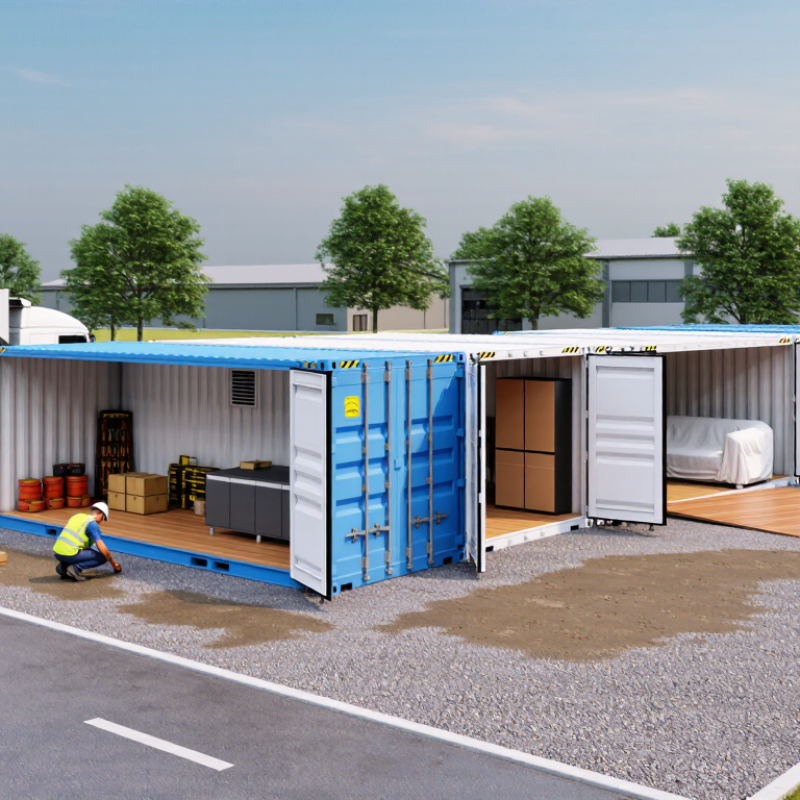
Before choosing a shipping container storage unit in 2026, write down what you plan to store and how often you need access. A few boxes and garden tools require less room than furniture, bicycles, or stacked inventory. Measure large items, including handles and legs, and note anything that cannot be safely stacked. Measure twice.
Think about access, not just capacity. A unit packed tightly to the doors may hold more, but retrieving a chair from the back can become a chore. Leave a small aisle if you expect regular visits. Also allow room for items you may add later; estimates often change once packing begins.
A standard 20-foot container may offer roughly 1,170 cubic feet, while a 40-foot unit may offer around twice that amount. Actual usable space varies, and the door opening can limit what fits. Check the unit’s internal dimensions and door clearance against your largest items before booking.
For heavier loads, confirm the container’s floor capacity and plan how weight will be distributed. A simple floor plan, drawn with tape measurements, can reveal wasted corners or an awkward fit.
You may still misjudge it. Recheck the list before settling on a size.
A standard dry container suits tools, furniture, and boxed inventory that can tolerate ordinary temperature changes. High-cube models add roughly one foot of interior height, useful for shelving or tall equipment. Insulated units reduce temperature swings, but they do not automatically control humidity.
Measure your largest item and access path before choosing. Measure twice.
Most storage containers use corrosion-resistant steel, but condition matters more than a label. Check roof seams, door edges, and lower corner posts for rust, dents, or patch repairs. A fresh coat of paint can hide problems, so inspect from inside too.
Floors are often plywood; look for soft spots, water stains, and persistent odors.
Small details matter.
Useful features depend on how you will use the unit. Vents can help limit condensation, while a lockbox protects the padlock from direct tampering. Double doors make bulky items easier to load, but they need clear space to swing open.
Ask about seals, floor capacity, and delivery access, then confirm dimensions in writing. A container may look roomy online and feel tight once shelves are installed.
Even careful comparisons cannot predict every site condition, so leave a little clearance around stored goods.
Inspect a container in daylight, with both doors fully open. Look for rust perforations beneath the floor rails, soft plywood, roof dents, and water stains. Check the door seals for gaps; even a narrow strip of daylight can signal a leak. Test the door rods, hinge pins, and lockbox welds. A strong padlock cannot compensate for a weak hasp. Ask about past repairs, then inspect patched seams from inside. A fresh coat of paint can hide more than it fixes.
Weather exposure deserves a site-specific check. NOAA’s 2024 U.S. Billion-Dollar Weather and Climate Disasters report recorded 27 disasters, with estimated losses of $182.7 billion. That is not a container-damage estimate, but it shows why local wind, rain, and flood risks matter. FEMA’s flood guidance estimates that one inch of water can cause about $25,000 in damage to a home. Treat that as a warning benchmark, not a container-specific forecast. Check drainage around the proposed pad, and ask how the roof and floor are protected from moisture. One judgment call remains: a shallow dent may be harmless, but a warped door frame can prevent a secure seal. Take photos before loading; damp cardboard later may not reveal where water entered.
| What to Assess | How to Inspect | Good Signs | Warning Signs | Decision Tip |
|---|---|---|---|---|
| Overall condition | Inspect the unit inside and out, including the roof, walls, frame, doors, and floor. Open and close both doors during the inspection. | Doors move smoothly, panels are intact, and the frame appears straight with no significant structural damage. | Severely bent corner posts or frames, loose panels, large holes, or doors that will not close securely. | Ask for an in-person inspection or clear, current photographs of the exact unit being offered. |
| Roof and water entry | Look for daylight, punctures, failed seams, rust holes, and water marks on the ceiling and interior walls. Check after rain if practical. | No visible openings, fresh water stains, or damp areas; roof panels and seams appear intact. | Water stains, active drips, pinholes, or corrosion that has eaten through the metal. | “Wind and watertight” is a condition description, not a guarantee that a unit will remain dry in every location or weather condition. Confirm what the seller’s description covers. |
| Corrosion and repairs | Check lower wall sections, roof edges, door hardware, hinges, and welds for flaking rust, pitting, or patch repairs. | Surface rust is limited, and repairs are sound, sealed, and documented where relevant. | Deep pitting, expanding rust, unsealed patches, or corrosion around structural members. | Consider the storage environment: coastal air and persistent moisture can accelerate corrosion. |
| Door seals and locking points | Inspect the rubber gaskets around the doors and test the locking bars, handles, hinges, and hasps. | Gaskets are present and reasonably flexible; doors align and locking hardware operates without force. | Missing or split seals, misaligned doors, seized hardware, or gaps that could admit rain or pests. | Check that the planned padlock or other lock fits the locking arrangement; a lockbox can help shield a padlock from tampering. |
| Site security | Ask about access controls, lighting, perimeter fencing, surveillance, visitor procedures, and who holds keys or access codes. | Security measures are clearly described, maintained, and appropriate for the value of the stored items. | Unrestricted access, unclear responsibility for keys, or no clear process for reporting security incidents. | Confirm the site’s security arrangements and insurance terms in writing. A container lock does not replace site security. |
| Condensation and ventilation | Check for damp smells, visible condensation, mold, or wet flooring. Ask about ventilation and moisture-control options. | The interior is dry and clean, with a plan to manage moisture-sensitive goods. | Persistent dampness, standing water, mold, or storing sensitive goods without suitable moisture protection. | Temperature changes can cause condensation inside steel containers. Use suitable packaging, keep goods off the floor, and consider moisture control for sensitive contents. |
| Floor and interior cleanliness | Inspect for soft spots, broken boards, protruding nails, stains, pests, and odors before loading. | Flooring is firm and clean, and the interior is free of pests and unexplained residue. | Rotting or damaged boards, pest activity, chemical odors, or unknown spills and stains. | Ask about the unit’s prior use and cleaning history; do not store food, textiles, or household goods in a unit with unexplained contamination. |
| Ground, drainage, and placement | Check that the unit will sit on stable, level supports and that rainwater can drain away from the doors and base. | Firm, level placement with clear drainage and access for loading and unloading. | Standing water, soft ground, blocked door access, or placement that directs runoff toward the container. | Ask who is responsible for preparing the site and confirm delivery access, placement requirements, and any local restrictions. |
| Size and access | Measure the goods and consider door opening, loading space, shelving, and access needed during the rental. | The usable interior space and door opening suit the items and planned loading method. | Choosing by external dimensions alone or overlooking access for bulky items. | Confirm the exact unit’s internal dimensions and door opening with the provider; dimensions can vary by unit design and condition. |
| Written terms and ongoing costs | Review the agreement for rental period, delivery or collection charges, access hours, insurance, maintenance, and damage responsibilities. | Fees, responsibilities, access rules, and condition expectations are clearly documented. | Unclear extra charges, undocumented condition claims, or uncertainty over who handles repairs and water damage. | Photograph the unit before loading and keep the inspection notes and agreement with your storage records. |
Practical rule: Choose the unit that is structurally sound, closes and locks properly, and suits the site and stored goods. Inspect the specific unit rather than relying only on a general condition label.
Before choosing a shipping container storage unit, check how a delivery truck will reach your property. Measure the gate opening, driveway width, overhead branches, and turning space. A route that suits a car may not suit a long truck. Look for soft ground, steep slopes, low wires, and tight corners. Small obstacles matter.
Ask the delivery provider what truck and unloading method they use. Share clear photos and measurements of the route, not just the planned storage spot. Confirm whether the truck needs room to reverse or operate lifting equipment. Keep parked vehicles, bins, and tools out of the access path on delivery day. It sounds obvious, but this detail is easy to miss.
Placement needs equal care. Choose firm, level ground with enough clearance for the doors to open fully and for people to move safely around them. Timber or concrete supports may help distribute weight, but requirements vary by container and ground conditions. Ask the supplier for the loaded unit’s weight and support guidance. Check drainage, too; a low, wet corner can cause trouble after heavy rain. I once underestimated how much a slight slope affected door operation. Recheck the site after rain, and confirm any local placement restrictions before delivery.
Compare the full delivered cost, not just the monthly rate. A low quote may exclude delivery, placement, pickup, or a minimum rental period. Ask for itemized charges, including taxes, deposits, and fees for extending the rental. Get it in writing. Compare the same container size and condition across quotes. A weather-tight unit can be worth more than a small discount when you need to keep stored items dry.
Read the rental terms before choosing a unit. Check the minimum term, notice period, renewal rules, damage responsibility, and price changes. Ask what happens if delivery is delayed or the container cannot be placed safely. A short rental can become expensive if pickup fees or extension charges are unclear. The fine print is easy to miss, even when the monthly price looks straightforward.
Local regulations may affect where a container can sit and how long it can remain. Contact your city or county planning office before delivery; rules can vary by property and location. Ask about permits, zoning, setbacks, street placement, and required access for emergency vehicles. Check property-owner or homeowners’ association rules too. This can feel tedious. Still, written confirmation can prevent a costly move after delivery.