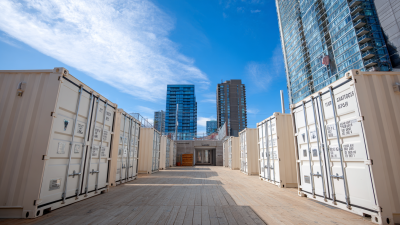
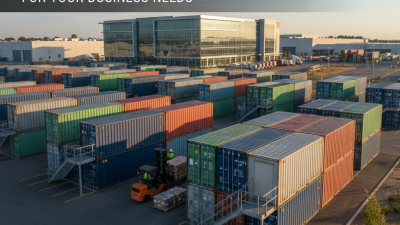
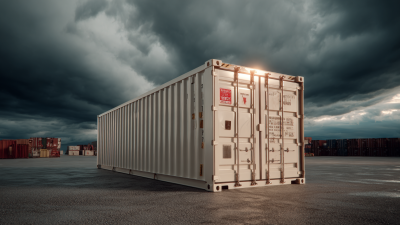
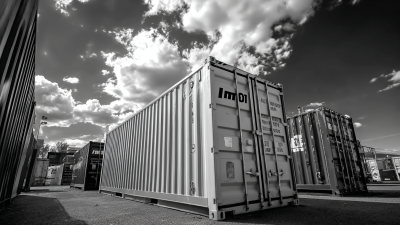
Why Choose a Storage Container Office for Your Workspace Needs?
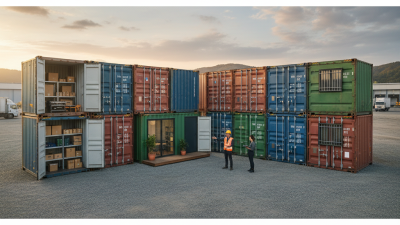
In today's dynamic work environment, flexibility is key. The traditional office setup often falls short. A storage container office emerges as an innovative solution. With its modular design, it adapts to diverse workspace needs. This option allows businesses to scale easily as demands change.
Imagine a sturdy, portable structure that can be customized for any work style. A storage container office provides that reality. These units can be equipped with insulation, wiring, and windows. This creates a comfortable working atmosphere. However, not all businesses suit this type of workspace. Reflecting on your specific needs is essential. Cost, location, and functionality matter greatly.
The allure of a storage container office lies in its versatility. It may create a trendy vibe with unique aesthetics. Yet, some may find the limited space a constraint. It’s crucial to weigh the pros and cons before making a decision. Ultimately, exploring options and considering your unique requirements will lead you to the ideal workspace solution.

Benefits of Using Storage Container Offices for Businesses
Storage container offices are becoming increasingly popular among businesses seeking flexible workspace solutions. These units can be quickly deployed, saving time and resources. According to a recent report by the International Facility Management Association, more than 40% of businesses are exploring modular solutions for office spaces due to their adaptability. This trend highlights a shift towards more efficient workspace management, especially in industries that need to scale quickly.
One notable benefit of storage container offices is their cost-effectiveness. Research indicates that these containers can reduce overhead by as much as 30% compared to traditional office spaces. Their durable structure requires less maintenance, which further enhances savings over time. For remote work sites, the mobility of these offices allows companies to relocate them as projects evolve, ensuring minimal disruption.
However, some businesses hesitate to adopt this approach. Concerns about aesthetics and employee comfort are common. While customization options are available, they may not fully meet every company's branding needs. Moreover, while containers offer sturdy protection against elements, they might lack some modern amenities that traditional offices provide. Thus, companies need to weigh the benefits against potential drawbacks carefully.
Versatility and Customization Options of Container Offices
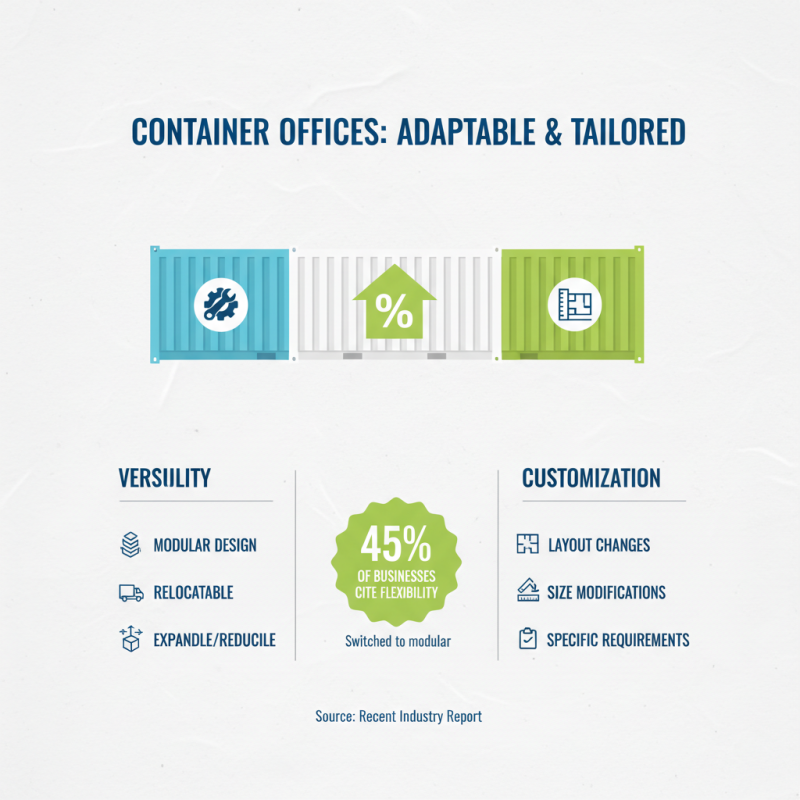
Container offices offer exceptional versatility and customization options, making them increasingly popular in various industries. According to a recent industry report, 45% of businesses that switched to modular office solutions cited their flexibility as a top reason. These containers can be modified to meet specific workspace requirements, including changes to layout and size.
Businesses can easily add windows, doors, or partition walls. The customization possibilities are extensive. Some companies even choose to install sustainable features, such as solar panels. About 30% of organizations report reduced energy costs after implementing container offices. The adaptability is not just functional; it also allows for creative designs that reflect company culture.
However, there are considerations. Not every space works well with container offices. Some may lack insulation or necessary utilities, leading to higher operational costs. Customizing can also be challenging if project requirements are unclear. Each decision impacts the workspace environment significantly. With careful planning, container offices can evolve into modern workplaces that adjust as needs change—and, they should be done right to truly benefit users.
Cost-Effectiveness of Storage Container Offices
Storage container offices have gained popularity for various reasons, particularly their cost-effectiveness. Converting a shipping container into a workspace is often more affordable than traditional office solutions. The initial investment is significantly lower. This alone attracts many entrepreneurs and small businesses looking to save money.
Another aspect to consider is the flexibility they offer. Rental costs for standard office spaces can be burdensome. In contrast, a container office can provide a tailored workspace without breaking the bank. This can be especially valuable for startups or those testing new markets. However, the layout might feel cramped compared to standard offices. This necessitates careful planning.
Maintenance and utility costs are also often lower with container offices. They can be energy-efficient and require minimal upkeep. Still, it’s important to ensure proper insulation and ventilation. This is a challenge sometimes overlooked. Not addressing this can lead to discomfort and higher energy bills. Finding the right balance between cost savings and workspace comfort is essential.
Why Choose a Storage Container Office for Your Workspace Needs?
Cost-Effectiveness of Storage Container Offices
| Dimension |
Storage Container Office |
Traditional Office |
Cost Comparison |
| Initial Setup Cost |
$15,000 |
$50,000 |
75% Less |
| Monthly Rent |
$1,000 |
$3,000 |
66% Less |
| Utility Costs |
$150 |
$400 |
62.5% Less |
| Space Efficiency (sq ft) |
320 |
500 |
- |
| Customization Flexibility |
High |
Medium |
- |
| Construction Time |
1-2 weeks |
3-6 months |
- |
Sustainability and Environmental Impact of Container Offices
Sustainability is becoming crucial for modern workspaces. Container offices stand out for their eco-friendliness. According to a report by the U.S. Green Building Council, green buildings can reduce energy consumption by up to 30%. Container offices leverage this by using repurposed materials, reducing the need for new resources.
The environmental impact of container offices is significant. They help in minimizing waste. The construction industry is responsible for about 39% of carbon emissions. By utilizing shipping containers, companies can lower this percentage. These offices also consume less energy compared to traditional structures. They can be designed for efficiency, using natural light and insulation effectively.
However, challenges remain. Not all container offices meet the highest sustainability standards. Some may require extensive retrofitting to align with eco-friendly practices. Additionally, local regulations can be a barrier. Navigating these can lead to unplanned costs. In the quest for sustainability, it's essential to weigh these factors carefully.
Sustainability and Environmental Impact of Container Offices
Ease of Setup and Mobility of Storage Container Workspaces
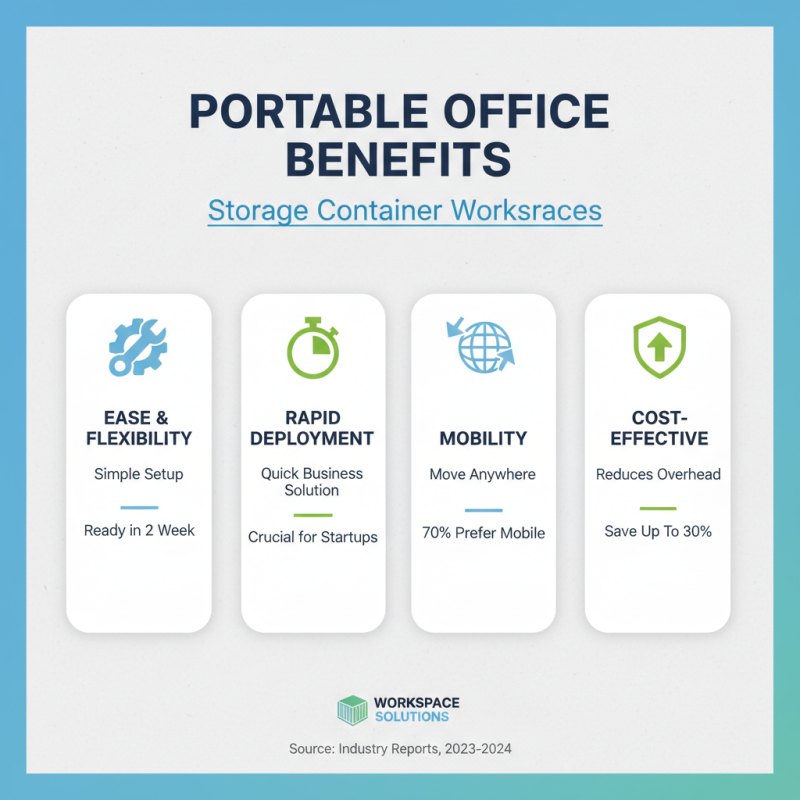
Setting up a workspace in a storage container offers remarkable ease and flexibility. According to recent studies, portable offices can be ready within a week, saving valuable time. This rapid deployment is crucial for businesses needing quick solutions. Mobility is another significant advantage. A survey found that 70% of companies prefer mobile workspaces for their adaptability.
Moving a container office is straightforward and cost-effective. Companies can relocate these units as needed, keeping overheads low. Whether expanding or downsizing, the process remains efficient. However, some may struggle with zoning laws and permits. Local regulations can hinder installation, requiring due diligence.
Visibility and layout can also pose challenges. Container offices often lack natural light. Ensuring proper ventilation and aesthetics is vital for employee comfort. Thoughtful design can enhance productivity. Despite potential issues, many find that the benefits outweigh the drawbacks. Embracing change in workspace solutions is essential in today's fast-paced business environment.