How to Choose the Best Container Workshop for Your Needs?
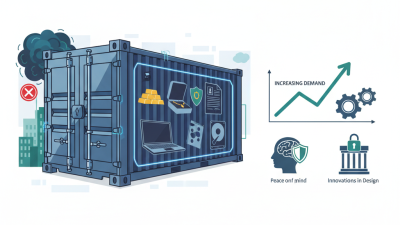
In recent years, the use of container workshops has surged, reflecting changing trends in construction and business sectors. According to a report by Mordor Intelligence, the global modular construction market is projected to reach $157 billion by 2027, with container workshops playing a crucial role in this growth. These structures offer versatility, speed, and cost-effectiveness, attracting various industries including manufacturing, education, and healthcare.
Despite their advantages, choosing the right container workshop is not straightforward. Factors such as size, layout, and intended use must be carefully considered. Data from Statista indicates that 70% of businesses prioritize durability and functionality in their workspace decisions. Evaluating these aspects requires expertise and a clear understanding of one’s needs.
It's essential to acknowledge that not all container workshops will meet every requirement. Some may lack adequate insulation or customization options. Potential users should weigh affordable options against specific demands. Assessing your needs is crucial to avoiding oversights and making an informed decision in this evolving market.
Understanding Your Storage and Workshop Needs
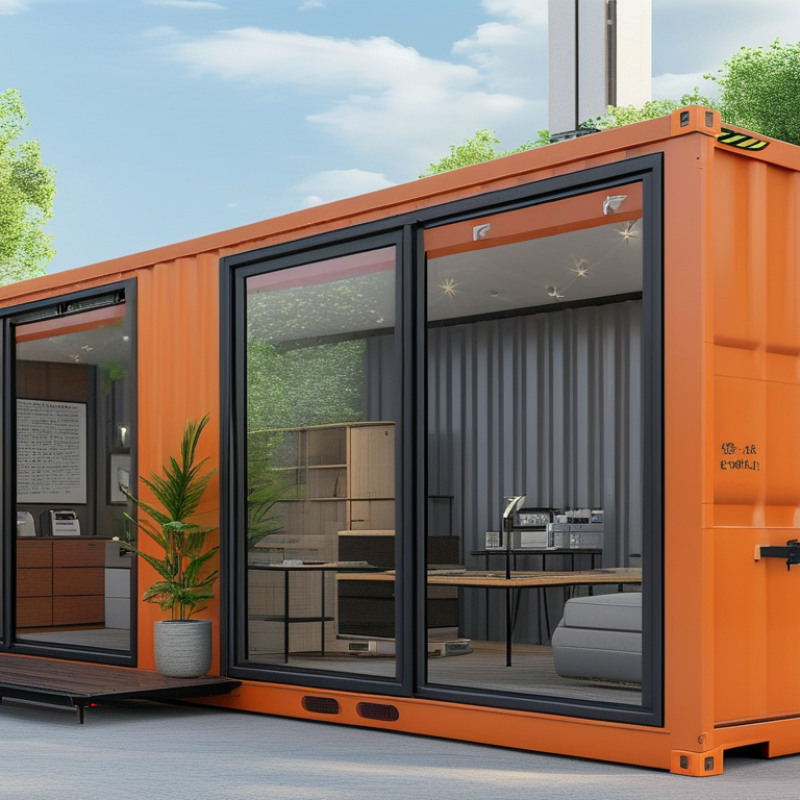
Choosing the right container workshop hinges on a clear understanding of your storage and workshop needs. Many users overlook the importance of assessing the types of projects they'll be handling. According to a recent industry report,
65% of workshop owners noted that versatility in workspaces significantly increased productivity. Consider what tools and materials you need to store and how often you'll need access to them. This understanding is crucial when selecting the size and layout of your container.
Space utilization is another key factor. Research indicates that poorly organized workshops can lead to a 25% decrease in efficiency. A well-planned container workshop maximizes available space while keeping everything you need within reach. Evaluate your workflow and design the container for easy accessibility to tools and supplies. Remember, having a clear layout can save you time and frustration.
It’s essential to reflect on your future needs as well. Some people underestimate growth potential. As your skills develop or projects expand, you may need extra space or more specialized storage. This awareness can guide your choice of container size and configuration. Be realistic about your goals and the space you might require later on. Understanding these dimensions will help ensure you select the best container workshop for your evolving needs.
Evaluating Different Container Workshop Types
When evaluating different types of container workshops, consider your specific needs. Each style has unique features that cater to varying functions. Mobile container workshops are excellent for projects that require flexibility. They can be transported and set up in remote locations. This mobility can enhance productivity, but they may offer limited space. Think about your team's requirements before deciding.
Static container workshops provide a stable work environment. They can be customized with insulation, electrical setups, and workstations. This option is ideal for long-term projects. However, locations must be accessible for deliveries and waste removal. It's essential to evaluate site conditions before installation. Some may overlook zoning regulations, which can be problematic later.
Another type to consider is modular container workshops. These units can be expanded or reduced based on your needs. They offer scalability but can sometimes overlook durability. You might find them less robust under harsh conditions. Be sure to assess climate factors in your area. Ultimately, finding the right container workshop involves balancing your project requirements with logistics and budget constraints.
Assessing Budget and Cost Considerations
When choosing the best container workshop for your needs, budget and cost considerations play a vital role. Start by defining your budget clearly. Determine how much you can afford. This includes not just the initial purchase price but also ongoing costs such as maintenance, utilities, and insurance. Have a realistic number in mind.
Explore various options, as prices can vary significantly. Research the different sizes and features available. Container workshops can range from basic, functional units to more sophisticated setups with insulation and customizations. Each additional feature can increase the price. Be prepared for unexpected costs. Hidden fees or additional expenses may arise during installation.
Assess financing options before making a decision. Some suppliers may offer installment plans or leasing options. Analyzing these can help ease the financial burden. However, be wary of terms that seem too good to be true. Read the fine print to avoid unpleasant surprises. Getting quotes from multiple providers can also provide a clearer picture of actual costs. Connect with others who have made similar purchases. Their insights can guide you in making a well-informed choice.
How to Choose the Best Container Workshop for Your Needs? - Assessing Budget and Cost Considerations
| Feature |
Description |
Estimated Cost |
Budget Range |
| Size |
Various sizes available, from small to large containers |
$1,500 - $3,000 |
$1,000 - $4,000 |
| Customization |
Options for windows, doors, and interior layouts |
$500 - $2,000 |
$300 - $2,500 |
| Delivery |
Cost for transporting the container to the site |
$400 - $1,200 |
$200 - $1,500 |
| Installation |
Setup costs, including foundation and utilities |
$800 - $2,500 |
$500 - $3,000 |
| Additional Features |
HVAC, electrical setups, and security features |
$1,000 - $4,000 |
$800 - $5,000 |
Exploring Customization Options and Features
When selecting a container workshop, customization is key. Different projects require different layouts and features. You may need a simple workspace or something more elaborate. Think about what tools and equipment you’ll store. Make a list of essential features that suit your workflow. For example, adjustable shelving can maximize storage efficiency. Windows or ventilation may be vital for a comfortable working environment.
Consider the materials used in construction. The type of insulation, for instance, can impact energy efficiency. A well-insulated workshop keeps the space warm in winter and cool in summer. Reflect on whether you need additional power outlets or plumbing. These features can enhance functionality but may increase costs. Always weigh your options carefully.
Customization can also include layout adjustments. Pre-designed layouts may not fit your vision. A tailored plan ensures you have the space to move freely. Don't rush this decision. Take time to reflect on your needs. This careful consideration will help in creating a workshop that truly serves you well.
Reviewing Local Regulations and Delivery Logistics
When selecting a container workshop, local regulations play a crucial role. Each area has specific building codes and zoning laws. These rules can impact your workshop's size, location, and even its structure. Checking with your local authorities can save you time and money in the long run. It may seem tedious, but understanding these regulations is essential.
Delivery logistics also require careful consideration. Transporting a container can be complicated. You need to think about the accessibility of the site. Is the road wide enough for trucks? Are there weight restrictions? These factors can delay your project if not addressed early. Working with professionals familiar with local logistics can make the process smoother.
Take time to evaluate these elements thoroughly. Engaging with community boards or local trade groups can provide insights. Their experiences can help highlight potential pitfalls. Remember, guidelines can change. Regularly review the regulations in your area, as staying informed is key.