East Rand Containers

What is Cargo Storage Containers and How Are They Used?

Cargo storage containers are widely utilized for various purposes. These versatile structures are designed to securely transport and store goods. Their robust construction makes them ideal for both commercial and personal use.

In industries, cargo storage containers serve as crucial logistical assets. They protect products from harsh weather and potential damage. When used for storage, they offer a reliable solution to space constraints. Individuals often repurpose cargo containers into unique living spaces or offices.

Despite their benefits, there are challenges to consider. Choosing the right size and condition can be tricky. Maintenance is essential to ensure longevity. Understanding local regulations is necessary when placing these containers. Cargo storage containers can be practical, yet it’s vital to reflect on their limitations.

What is Cargo Storage Containers and How Are They Used?

What Are Cargo Storage Containers?

Cargo storage containers are versatile and practical solutions for transporting goods. These sturdy metal boxes can handle rough conditions, making them suitable for sea, road, and rail transport. Each container varies in size, but standard dimensions are available. They can hold everything from machinery to personal belongings.

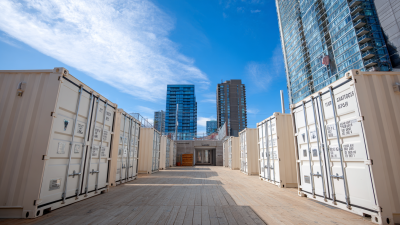
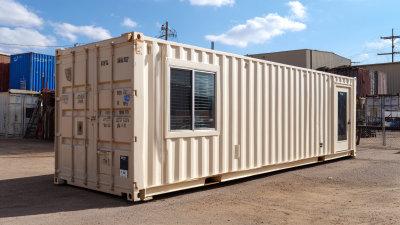
These containers serve various purposes, such as storage and temporary accommodation. Businesses use them to keep inventory secure and organized. In some cases, people retrofit containers for living spaces or offices. However, adapting them requires careful planning. There are challenges in insulation, ventilation, and plumbing.

Some users find it hard to reimagine these boxes beyond their original purpose. A container can feel cold or impersonal if not transformed correctly. Moreover, dampness can be an issue. Addressing these concerns is essential for creating a functional space. Understanding the potential drawbacks is key to making the most of cargo storage containers.

What is Cargo Storage Containers and How Are They Used? - What Are Cargo Storage Containers?

Dimension Description Common Uses Sizes Available
Standard Container A general-purpose container used for shipping goods. International shipping, warehouse storage, construction sites. 20 ft, 40 ft
Reefer Container Refrigerated container designed to carry temperature-sensitive cargo. Transporting perishable goods like food and pharmaceuticals. 20 ft, 40 ft
Open Top Container Container with an openable top, allowing for oversized cargo. Transporting heavy machinery or materials that cannot fit in a standard container. 20 ft, 40 ft
Flat Rack Container A flat platform with or without sides to support cargo. Transporting heavy loads like vehicles or construction materials. 20 ft, 40 ft
High Cube Container A taller version of the standard container for more volume. Shipping lightweight bulky items, furniture, and large inventory. 40 ft, 45 ft

Types of Cargo Storage Containers and Their Uses

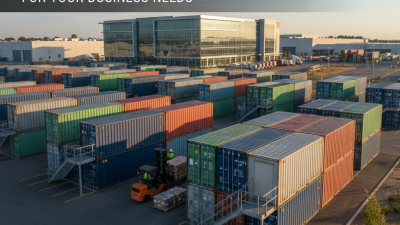
Cargo storage containers come in various types, each tailored for specific uses. The most common types are dry containers, refrigerated containers, and open-top containers. Dry containers are ideal for general cargo. They protect goods from the weather and are stackable, saving space. According to industry reports, about 90% of world trade is transported by sea, primarily within these containers.

Refrigerated containers, or reefers, maintain cold temperatures. These are crucial for transporting perishable items, such as food and pharmaceuticals. The demand for reefer containers has surged by over 35% in recent years. This is largely due to the rise in global food consumption. However, maintaining optimal temperatures poses a challenge, especially in crowded ports.

Open-top containers are designed for oversized cargo. They have no roof, allowing for easy loading and unloading of heavy materials. While they offer flexibility, they lack full protection against the elements. Some goods may still be vulnerable to weather conditions. Thus, careful consideration is necessary when choosing the right container type for shipping needs.

Key Features of Cargo Storage Containers

What is Cargo Storage Containers and How Are They Used?

Cargo storage containers are essential in various industries. These containers offer several key features that enhance their utility. One prominent feature is their durability. Made from high-quality steel, they can withstand harsh weather conditions. Reports indicate that over 90% of global trade relies on these structures for transportation and storage.

Another significant aspect is their versatility. Cargo storage containers are available in various sizes, typically ranging from 10 to 40 feet. This adaptability enables companies to choose containers that suit their specific needs. A recent industry analysis revealed that more than 60% of businesses prefer modular solutions due to changing demands.

Accessibility is also a vital feature. Many containers come equipped with double doors for easy loading and unloading. However, managing inventory in these containers can be challenging. Some companies struggle to keep track of stored items. This can lead to inefficiencies and increased operational costs. Adopting digital inventory systems could improve organization within these storage units. Such advancements are necessary for optimizing resource management.

Benefits of Using Cargo Storage Containers in Shipping

What is Cargo Storage Containers and How Are They Used?

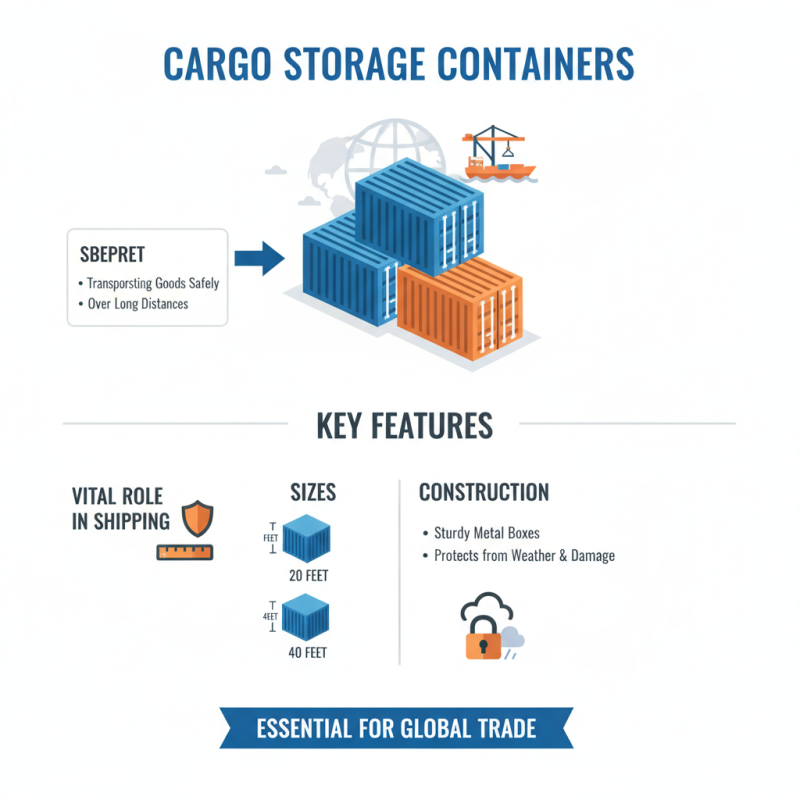
Cargo storage containers serve a vital role in the shipping industry. These metal boxes are designed for transporting goods safely over long distances. They come in various sizes, typically ranging from 20 to 40 feet. The sturdy construction of these containers ensures they protect contents from weather and damage.

One of the main benefits of using cargo storage containers is their versatility. They can hold everything from furniture to machinery. Many businesses find that they can stack these containers efficiently, maximizing space during transport. This type of storage also allows for easy loading and unloading. It simplifies logistics and can help reduce shipping costs.

However, there are challenges too. Not all businesses know how to optimize container use. Some may struggle to pack containers properly. This leads to wasted space and higher transportation costs. Additionally, not every location has access to appropriate handling equipment. Finding balance and efficiency is key in utilizing cargo storage containers effectively.

Innovative Applications of Cargo Storage Containers Beyond Shipping

Cargo storage containers are versatile structures that serve a variety of purposes beyond traditional shipping. Their innovative applications can transform ordinary spaces into functional areas. For example, they can be converted into pop-up shops or mobile cafes. These containers can create unique retail experiences, attracting customers with their unusual designs.

Running a pop-up shop in a container requires creativity. Make use of vibrant colors and effective layouts. Lighting plays a vital role in attracting customers. Consider using recycled materials for decor to enhance the eco-friendly aspect.

Another intriguing use of cargo containers is in housing solutions. Many people have turned to them for affordable housing options. They are durable and can be easily transported. However, they require insulation and proper ventilation. Without these features, living can become uncomfortable. It's essential to plan for these modifications carefully.

When exploring cargo container conversions, keep these tips in mind. Think about accessibility and location. Poor placement can limit usage. Research local regulations before starting a project. Regulations may vary widely, impacting your plans.