Best WPC Decking Board for Your Outdoor Projects?
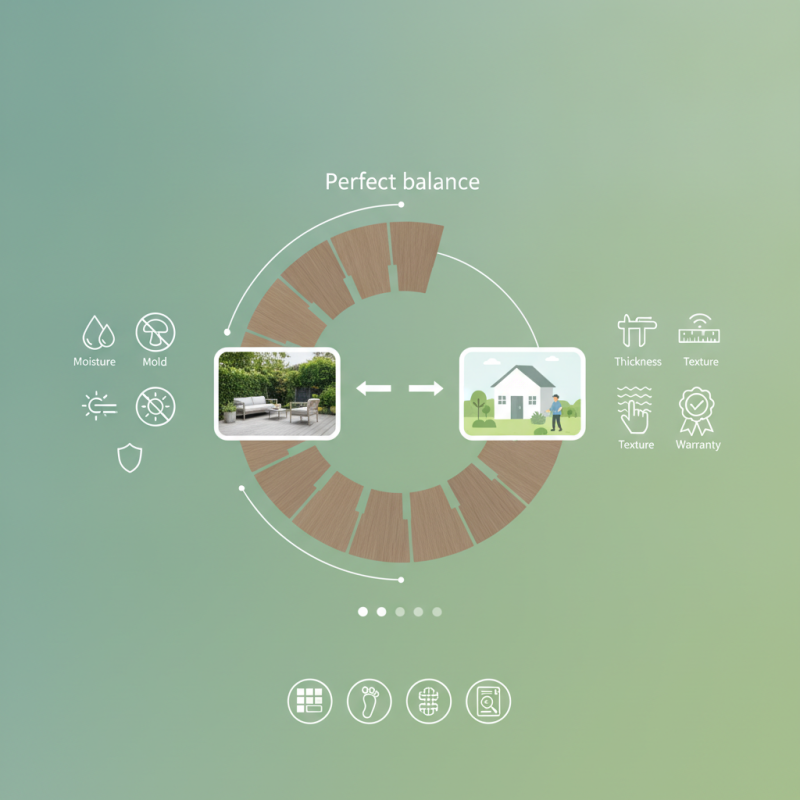
When planning outdoor projects, choosing the right materials is crucial. Wpc Decking Boards have become a popular choice for homeowners. These composite materials blend wood fibers and plastic, offering durability and aesthetic appeal. According to industry expert Jane D. Roberts, “WPC decking boards provide the perfect balance of style and resilience for any outdoor space.” Her insight highlights the advantages of these innovative boards.
WPC decking boards resist moisture, mold, and fading, making them low maintenance. They can withstand harsh weather conditions, ensuring longevity. However, not all WPC boards are created equal. Some may warp or fade over time, leading to potential disappointment. It’s essential to research product specifications and seek reputable brands.
Choosing the best WPC decking board requires thoughtful consideration. Evaluate factors like thickness, texture, and warranty. Visualize how the decking will complement your garden or patio. Small details, like color matching and surface grip, can enhance safety and aesthetics. Making informed choices can elevate your outdoor projects to new heights.
Benefits of Using WPC Decking Boards for Outdoor Spaces
WPC, or wood-plastic composite, decking boards have gained popularity among homeowners and landscapers alike. One key benefit is their durability. They resist fading, cracking, and rotting. This makes them ideal for outdoor spaces that experience harsh weather. With WPC, maintenance becomes less of a chore. A simple wash with soap and water keeps them looking fresh.
Another significant advantage of WPC decking is its eco-friendliness. These boards are often made from recycled materials, reducing waste. Choosing WPC helps promote sustainability. However, it’s essential to consider potential drawbacks. Some users report that WPC can feel hotter underfoot in direct sunlight. This could impact comfort levels during summer gatherings.
WPC decking boards also offer aesthetic flexibility. They come in various colors and textures. This allows homeowners to match their decks with existing home styles. However, balance is crucial. It's wise to consider the overall design theme before making a decision. A little planning goes a long way in outdoor projects.
Best WPC Decking Board for Your Outdoor Projects?
| Feature | WPC Decking Benefits | Considerations |
| Durability | Resistant to rot, splintering, and insects. | May have a higher initial cost than wood. |
| Maintenance | Low maintenance; no need for staining or sealing. | Requires periodic cleaning to prevent mold. |
| Environmental Impact | Made from recycled materials; more sustainable option. | Ensure products are certified eco-friendly. |
| Aesthetics | Available in a variety of colors and finishes. | Some may prefer natural wood grain appearance. |
| Slip Resistance | Some products have textured surfaces for better grip. | Check certifications for slip resistance ratings. |
| Installation | Easy to install with standard tools; no special equipment required. | Follow manufacturer's guidelines for best results. |
Types of WPC Decking Boards Available in the Market
When it comes to outdoor projects, understanding the types of WPC decking boards available is essential. WPC, or wood-plastic composite, combines the durability of plastic with the aesthetic appeal of wood. This results in a material ideal for patios, decks, and walkways.
There are several types of WPC decking boards on the market. For instance, solid boards provide a robust feel and are often more resistant to warping. Hollow boards, on the other hand, are lighter and can be easier to install. Choosing between these options depends on your specific needs. Both types come with varying surface textures and finishes, allowing for customization.
In practice, many people overlook maintenance requirements. Some products claim to be low maintenance but may still require periodic cleaning. It’s crucial to consider your lifestyle and the level of upkeep you’re willing to commit to. While WPC decking offers numerous benefits, not every option suits every project, which can lead to regret if not carefully evaluated.
Factors to Consider When Choosing WPC Decking Boards
When it comes to selecting the best WPC decking boards for outdoor projects, several factors are crucial. The right choice can greatly impact your deck's aesthetics and longevity. First, consider the material's durability. WPC, or wood-plastic composite, offers resistance to moisture and pests, which is important for outdoor settings. However, not all WPC boards are created equal. Some might degrade faster than others under harsh weather conditions.
Another important aspect is the thickness of the boards. Thicker boards usually offer greater strength and stability. However, a thicker deck can weigh more, potentially complicating installation. Pay attention to color and texture as well. Since these boards mimic wood, variations exist. Choosing the right look can enhance your outdoor space but may also require you to balance appearance with durability.
Installation methods can vary as well, which affects both cost and effort. Some boards require special fasteners, while others can be installed with standard tools. Be prepared for possible challenges during installation. Not every project goes as planned. Knowing that imperfections can arise is a part of the process. Reflect on your budget, lifestyle, and local climate before making a final decision. Making informed choices leads to better outcomes for your decking project.
Installation Techniques for WPC Decking Boards
When you decide to install WPC decking boards, proper techniques are crucial for achieving a durable and attractive finish. Begin by preparing your outdoor space. Clear any debris and ensure the surface is level. This step is often overlooked, yet it significantly impacts the decking's longevity. Measure carefully to determine how many boards you'll need.
Installation requires specific tools like a power drill and a saw. Make sure to select the correct fasteners to avoid damaging the boards. Keep gaps between the boards for drainage. A common mistake is to install them too tightly, which can lead to warping. Pay attention to temperature changes; WPC materials expand and contract, affecting their fit.
Don’t forget the finishing touches. You may want to use edge trim for a polished look. This not only enhances aesthetics but also provides added protection. It’s also essential to regularly maintain your decking. Despite being durable, neglect can lead to fading or staining. Reflect on your work frequently; every minor detail counts in achieving the perfect outdoor space.
Maintenance Tips for Long-lasting WPC Decking Boards
WPC decking boards are popular for outdoor projects due to their durability and aesthetics. However, maintenance is key for longevity. Studies show that properly maintained WPC can last over 25 years. To maximize their lifespan, start by cleaning them regularly. Use a broom or a soft-bristled brush to remove dirt and debris. For deeper cleaning, a solution of warm water and mild soap works well.
It's essential to address spills promptly. WPC is stain-resistant, but letting substances sit can lead to staining. For tough stains, a mixture of vinegar and baking soda can help. Be sure to rinse the area with water afterward. In regions with severe weather, consider applying a protective sealant every couple of years. This adds a layer of defense against UV rays and moisture.
Also, be aware of potential fading over time. WPC is engineered to resist this, but exposure to sunlight can still have effects. Alternate the positioning of outdoor furniture to prevent uneven fading. Regularly inspecting the boards for signs of wear or damage will also help maintain their appearance and function.