10 Best Shipping Container Office Designs for Modern Workspaces in 2023
As the landscape of modern workspaces continues to evolve, shipping container offices have emerged as a viable and innovative solution for businesses seeking flexibility and sustainability. According to a report from McKinsey & Company, remote working has increased by 75% in recent years, leading many companies to rethink their spatial requirements. Shipping container offices, with their unique modular design, provide an adaptable environment that can be easily modified or expanded to meet the growing demands of the workforce.
Moreover, the use of shipping containers for office spaces not only promotes eco-friendliness but also offers significant cost savings. A study by the World Green Building Council indicates that building with repurposed materials can reduce construction costs by up to 30%, while also minimizing the carbon footprint associated with traditional office buildings. As organizations aim to create a more inclusive and functional work environment, shipping container offices represent an ideal solution that merges practicality with contemporary design. In this article, we will explore the ten best shipping container office designs that exemplify modern workspaces in 2023, showcasing innovative approaches to productivity and efficiency.
Innovative Features of Shipping Container Offices Enhancing Modern Workspaces in 2023
Shipping container offices have emerged as a transformative solution for modern workspaces, combining functionality with sustainability. According to a report by Grand View Research, the global modular office market is expected to reach $157.3 billion by 2027, highlighting a growing trend toward flexible and innovative workspace designs. In 2023, shipping container offices are evolving with features such as energy-efficient designs, advanced insulation, and smart technology integration, all of which enhance operational efficiency and employee comfort.
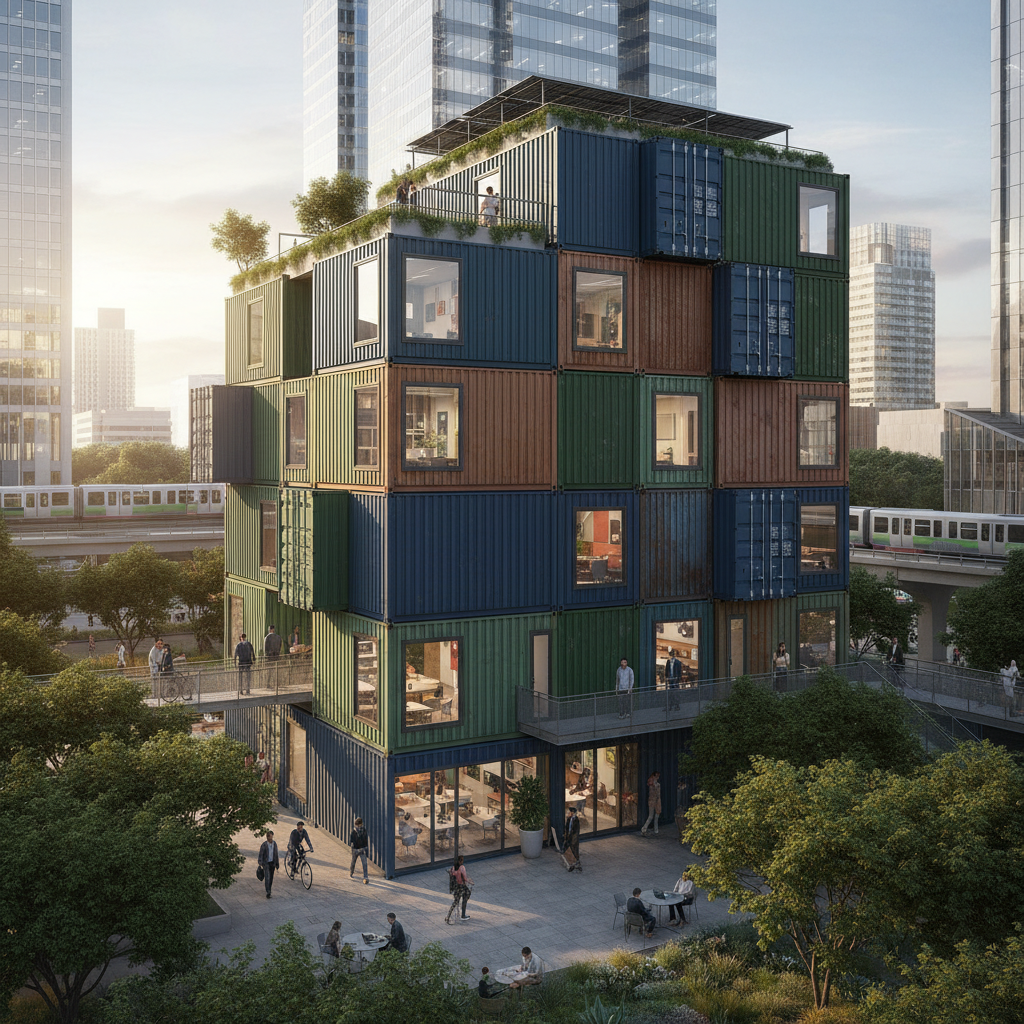
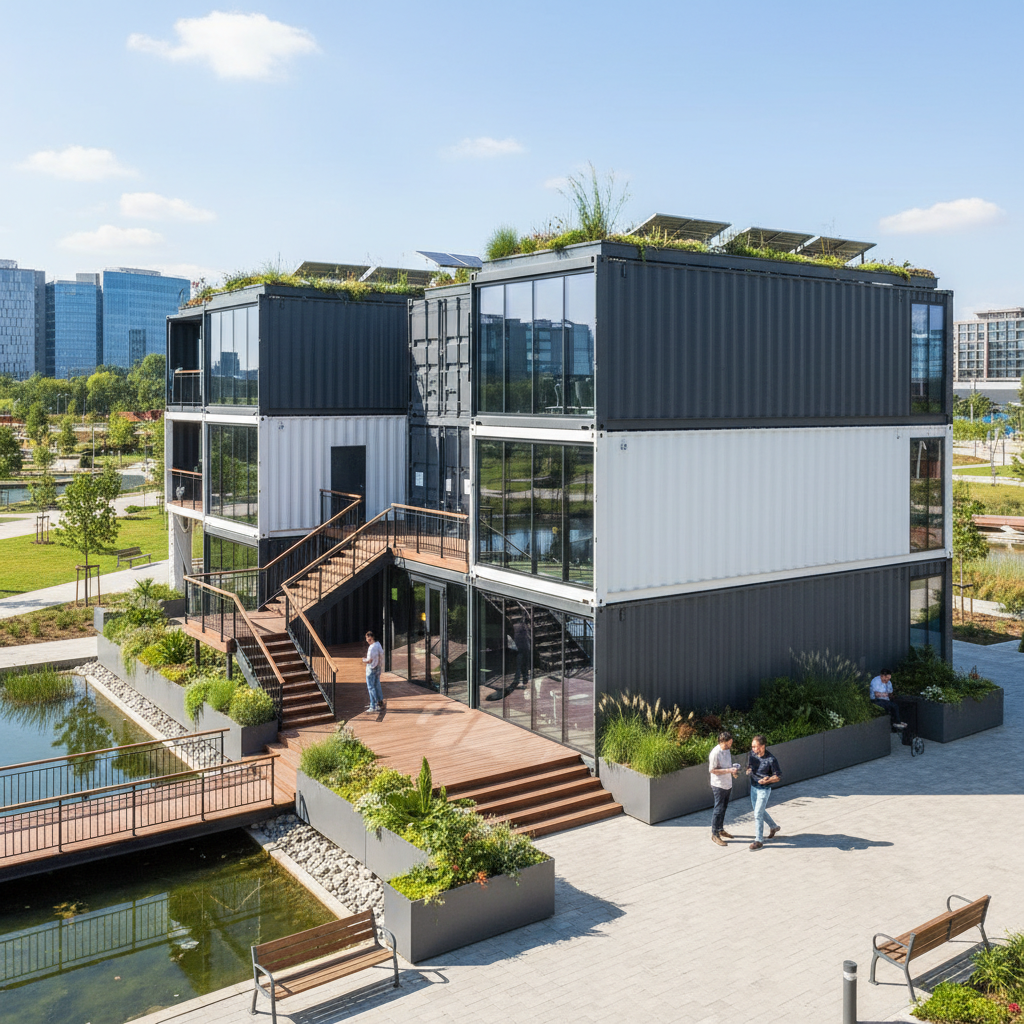
One standout innovative feature is the adoption of biophilic design principles within these shipping container spaces. Studies have shown that incorporating natural elements can increase employee productivity by up to 15%. Additional enhancements like modular space configurations allow businesses to easily adapt their work environment as needs change. Moreover, the ability to incorporate sustainable materials and renewable energy sources can lead to a reduced carbon footprint, aligning with the increasing demand for eco-friendly practices in the workplace. As companies strive to create inspiring environments that boost collaboration and well-being, shipping container offices represent a forward-thinking approach to modern workspace design.
10 Best Shipping Container Office Designs for Modern Workspaces in 2023 - Innovative Features of Shipping Container Offices Enhancing Modern Workspaces in 2023
| Design Name |
Key Features |
Square Footage |
Eco-friendly Aspect |
Estimated Cost |
| Modular Workspace |
Open plan, natural light, rooftop garden |
400 sq ft |
Solar panels installed |
$50,000 |
| Creative Hub |
Flexible layout, collaborative spaces |
600 sq ft |
Recycled materials used |
$65,000 |
| Minimalist Office |
Streamlined design, maximize space |
300 sq ft |
Low-impact materials |
$40,000 |
| Eco Office |
Green roofing, rainwater harvesting |
500 sq ft |
Sustainable energy source |
$70,000 |
| Dynamic Workspace |
Modular partitions, tech-friendly |
800 sq ft |
Energy-efficient systems |
$90,000 |
| Artisan Studio |
Open workspace, custom finishes |
350 sq ft |
Upcycle design |
$45,000 |
| Start-Up Hub |
Shared spaces, high connectivity |
750 sq ft |
Smart tech integration |
$80,000 |
| Collaborative Space |
Breakout areas, natural ventilation |
900 sq ft |
Energy-efficient glazing |
$95,000 |
| Business Retreat |
Serene environment, open plans |
1,200 sq ft |
Solar water heating |
$120,000 |
The Rise of Eco-Friendly Designs: Sustainability Trends in Container Office Architecture

The demand for sustainability in construction has driven the rise of shipping container offices, which are not only cost-effective but also significantly reduce waste. According to a report by the U.S. Green Building Council, buildings account for nearly 40% of the country’s total energy usage and a substantial portion of greenhouse gas emissions. By repurposing shipping containers, businesses can minimize their ecological footprint while creating functional and aesthetically pleasing workspaces. This innovative approach aligns with sustainability trends, as industries increasingly recognize the importance of green building practices.
In 2023, eco-friendly container office designs feature enhanced insulation, energy-efficient windows, and renewable energy sources such as solar panels. A study from the International Energy Agency highlights that integrating such features can reduce energy consumption in office buildings by up to 50%. Moreover, companies are increasingly prioritizing environmentally responsible practices, with a reported 70% of executives acknowledging that sustainable design improves their brand image. As organizations look for ways to attract environmentally conscious clients and employees, container offices present a compelling solution, merging cost savings with a commitment to sustainability.
Analyzing Cost Efficiency: Financial Benefits of Using Shipping Containers for Office Spaces
Shipping containers are emerging as a viable solution for modern office spaces, offering remarkable cost efficiency that appeals to businesses looking to optimize their operations. One of the most significant financial benefits of using shipping containers is their affordability compared to traditional office buildings. Modular construction allows for shorter timelines, which translates into savings on labor and materials. Furthermore, these structures can be relocated or repurposed easily, providing flexibility that conventional offices lack.
Additionally, as international trade evolves, the demand for sustainable practices presents an opportunity for shipping container offices to shine. Given the increasing scrutiny on logistics emissions and the need for companies to meet decarbonization targets, adopting shipping container offices can align corporate goals with sustainable development. The lifecycle cost-effectiveness of container buildings also enhances their appeal, as they not only reduce upfront costs but also deliver long-term savings through energy efficiency. The future of office design might very well lean towards these modular solutions, promoting a greener and more economically viable workspace.
Cost Efficiency Analysis of Shipping Container Offices in 2023
Maximizing Space Utilization: Creative Layouts for Container Offices in Urban Environments
As urban spaces become increasingly crowded, maximizing space utilization in office design is paramount. Shipping container offices offer a unique solution that not only enhances functionality but also promotes sustainability. A report by Market Research Future indicates that the global modular construction market, which includes container offices, is projected to grow at a Compound Annual Growth Rate (CAGR) of 6.7% from 2020 to 2026. This growth highlights the rising demand for innovative solutions that efficiently utilize limited urban space.
Creative layouts within shipping container offices can significantly optimize workspace functionality. By integrating multi-level designs or combining multiple containers, businesses can create open floor plans that encourage collaboration while maintaining designated work areas. According to a study by the Center for Advanced Design Research and Evaluation, well-planned workspace layouts can enhance employee productivity by up to 20%. Additionally, elements such as modular furnishings and adjustable wall partitions allow for flexibility, enabling companies to adapt their spaces to changing needs without undergoing extensive renovations. This adaptability is crucial in urban environments where the dynamics of business operations can shift rapidly.
Future-Proofing Workspaces: Adapting Container Offices for Hybrid Work Models by 2025
The modern workplace is rapidly evolving, with hybrid work models becoming the norm. As companies adapt to this shift, shipping container offices emerge as a flexible solution that can cater to various workspace needs. According to a report by Global Workplace Analytics, around 25-30% of the workforce is expected to work remotely by the year 2025, emphasizing the importance of adaptable office spaces. Shipping containers, with their modular design, offer a unique way to future-proof work environments, allowing businesses to quickly modify layouts to support collaboration or individual work, depending on the team's needs.
When designing a shipping container office for hybrid work, it's essential to create areas that foster both productivity and creativity. Incorporating elements like natural light, biophilic design, and ergonomic furniture can enhance employee well-being and performance. Additionally, consider integrating technology infrastructures, such as high-speed internet and adequate power sources, to ensure seamless connectivity for both in-office and remote employees.
**Tips:**
1. Invest in modular furniture that can be easily rearranged to accommodate group meetings or quiet workspaces.
2. Use sound-absorbing materials to manage noise levels, especially when collaboration is necessary in open areas.
3. Plan every container layout to facilitate easy access to shared resources like printers and meeting rooms, ensuring efficient workflow for all employees.