10 Best Junior Scooters for Kids to Buy in 2026?
Choosing a Junior Scooter for 2026 means looking beyond bright colors and flashy claims. The right model should match a child’s height, coordination, and confidence. A stable deck, responsive brake, grippy handlebar, and smooth-rolling wheels matter more than decoration. Small details count: Can the child reach the brake? Does the handlebar feel secure? Is the scooter easy to carry indoors?
Pediatrician and child-injury prevention expert Dr. Benjamin Hoffman has emphasized helmet use and age-appropriate precautions for young riders. Put plainly, protect the head before the ride. This guide compares ten junior scooters by fit, control, durability, and everyday practicality. It also considers where each model works best, from short pavement trips to supervised park paths. Check the manufacturer’s age and weight guidance before buying; a popular scooter may still be a poor fit.
No scooter is perfect. Some fold neatly but feel less steady, while others ride smoothly yet take up precious hallway space. That trade-off matters. A child’s first few turns can reveal more than a long feature list. The picks ahead aim to help families choose with clear expectations, not promises of effortless riding. Parents should still supervise practice, inspect brakes and fasteners, and replace damaged parts. A careful fit check today can make tomorrow’s first ride calmer—and more enjoyable.
What Junior Scooters Are and Which Ages They Suit
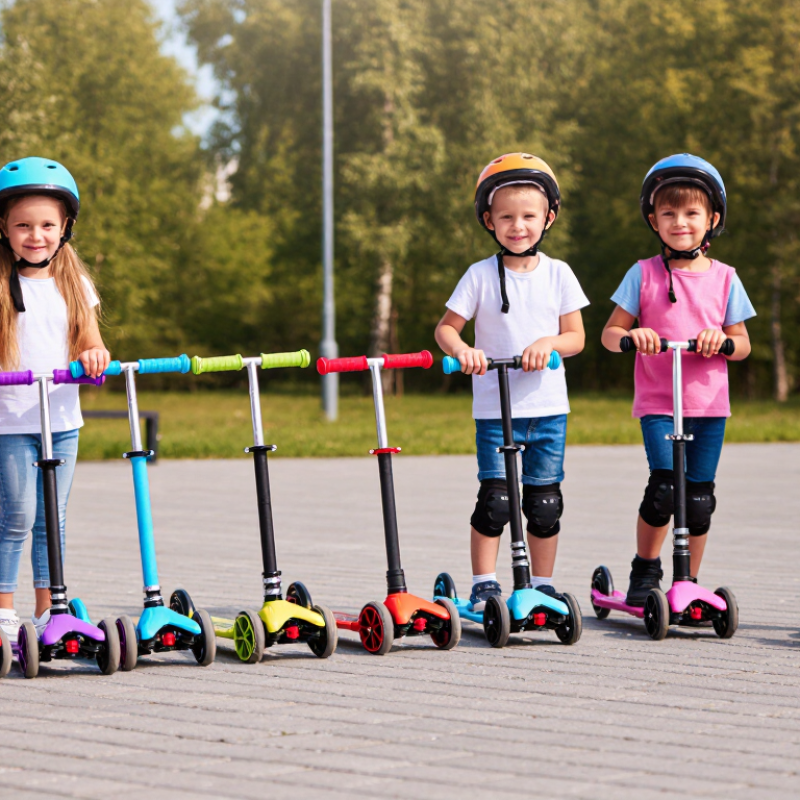
A junior scooter is designed around a child’s reach, balance, and strength, not simply made smaller than an adult model. Many beginner scooters use three wheels for extra stability, while two-wheel designs ask more of a child’s coordination. Three-wheel models often suit preschoolers around ages two to five; two-wheel scooters may fit many children from about five or six onward. These are broad guides, not guarantees. A child’s confidence and development matter more than a birthday.
Check the scooter’s stated age and weight limits, then consider how it feels underfoot. A child should be able to hold the handlebars comfortably and place one foot on the deck without stretching. Too tall? Hard to steer. A wide, grippy deck can help beginners feel secure, though it may also make the scooter heavier to carry. Have the child try a few slow pushes on flat ground, with a properly fitted helmet and close adult supervision. Age labels can look exact, but they cannot measure balance or caution. That part takes observation. A scooter that seems manageable in a shop may feel different on a bumpy path, so start somewhere smooth and quiet.
How to Assess Safety, Fit, and Build Quality
A junior scooter should feel manageable before it looks exciting. Check the recommended age and weight range, then consider your child’s balance and confidence. A model that is too large can make steering awkward. Too small, and knees may crowd the handlebar. Have the child stand on the deck and grip the bars; elbows should bend slightly, with both feet placed securely.
Look closely at the safety details. The brake should respond with steady pressure, not stick or wobble. Roll the scooter slowly on a flat surface and listen for loose rattles. Grips should resist slipping, and the deck needs enough texture to help shoes stay planted. A helmet that fits snugly is essential. Still, even good equipment cannot replace supervision near driveways or busy paths.
Build quality shows up in small places. Inspect the folding latch, handlebar clamp, and wheel attachments for gaps, sharp edges, or movement. Metal parts should feel firm, while plastic components should not flex excessively under ordinary handling. Ask how replacement parts and maintenance are handled. I would not judge durability from a shiny finish alone; that can mislead. Recheck fasteners after early rides, because a scooter may loosen slightly as it settles. A little uncertainty remains, so inspect it regularly.
Scooter Types and Features for Different Riding Needs
Choosing a junior scooter starts with the route, not the color. A three-wheel model gives beginners a wider stance for slow turns on smooth paths. It can feel less nimble as skills grow. Two-wheel models are often easier to carry and steer, but demand more balance and controlled braking. Try both at walking speed. Check whether the child can stand comfortably on the deck and reach the brake without stretching. Adjustable handlebars help accommodate growth, though their clamps need regular checks.
Wheel size and deck design matter on real pavement. Larger wheels can roll more smoothly over small cracks, while a lower, wider deck may feel easier to step onto. WHO’s 2020 activity guidelines recommend an average of 60 minutes of moderate-to-vigorous activity daily for children and adolescents aged 5–17. Treat that as activity guidance, not a scooter target. ASTM International’s F2264 standard covers safety requirements and test methods for non-powered scooters; check the scooter’s age and weight guidance, too. A report or label cannot assess your sidewalk. Measure the actual route, including rough patches and curb cuts. I’d reconsider a choice that works only on a perfect path.
How to Choose a Scooter for a Child’s Skills and Riding Environment
A child’s scooter should match current balance and coordination, not just age on the package. A beginner may do better with a stable deck and a manageable handlebar height. The child should stand upright, grip the bars comfortably, and reach the brake without stretching. Fit matters. Before buying, check the scooter’s weight and folding or carrying needs; a heavy model can be awkward on stairs or at school.
Think about where the scooter will be used. Smooth, open paths suit many beginners, while cracked pavement and tight sidewalks demand more control. Larger wheels may roll more steadily over small bumps, but they do not replace careful riding. Look for a brake the child can operate reliably, then let them practice stopping in a quiet area. A helmet and properly fitted protective gear matter, too. I would not judge readiness by age alone; that shortcut can miss differences in confidence and coordination. Watch a short test ride, if available. Notice whether the child can start, turn, and stop without help. One detail I might overlook is how quickly their skills change, so reassess the fit and control as they grow.