
10 Best Ceiling Lamp Fixtures for Global Buyers?
Choosing the right ceiling light involves more than comparing shapes, prices, and photographs. For global buyers, Ceiling Lamp Fixtures must balance design, safety, performance, and shipping practicality. A polished brass fixture may suit a hotel lobby, while a sealed aluminum model may work better in a humid coastal home. Details matter.
This guide examines ten strong fixture options through practical buying criteria. These include light output, color temperature, socket type, voltage compatibility, dimming support, mounting hardware, material quality, and cleaning requirements. We also consider certifications, warranty terms, packaging strength, and supplier communication. Buyers should confirm local electrical requirements before ordering, especially when importing products across regions. A qualified electrician can verify installation conditions and wiring compatibility.
Looks can mislead. Some attractive fixtures use thin metal, weak connectors, or difficult-to-replace components. Others offer excellent value but provide limited instructions or inconsistent finish quality. That matters during installation and long-term maintenance. Product photographs also rarely show ceiling height, shadow patterns, or the real scale of a lamp. Measuring the room and checking the canopy diameter can prevent expensive mistakes.
The selection process reflects common recommendations from lighting professionals, interior projects, and manufacturer specifications. Still, no single fixture suits every market or building type. Regional preferences, climate, energy standards, and available replacement parts can change the final decision. This overview aims to provide reliable guidance, not a perfect answer. Careful comparison remains essential.
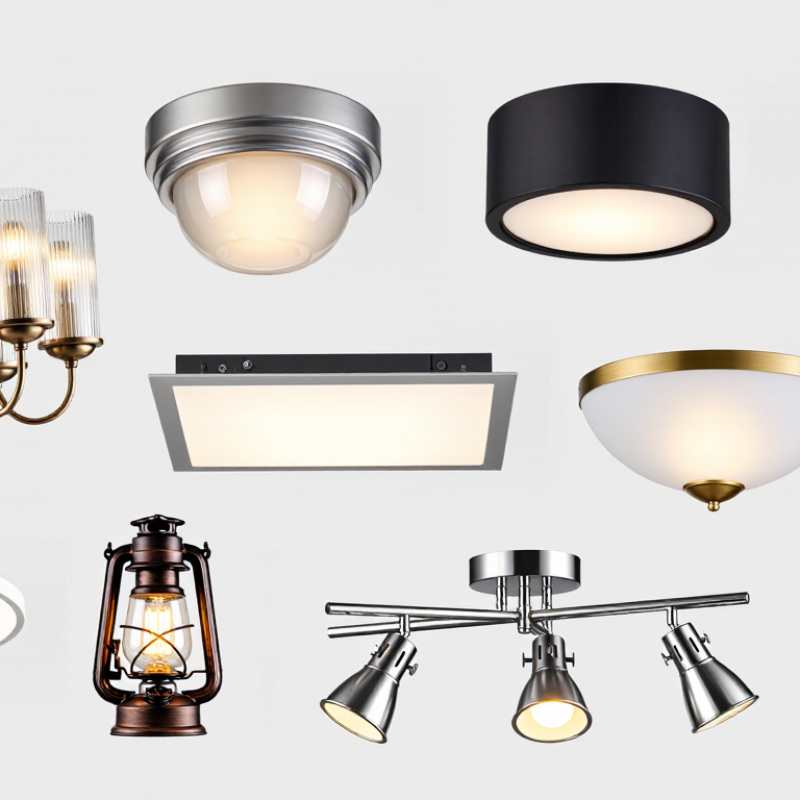
What Makes a Ceiling Lamp Fixture Worth Buying?
A ceiling lamp fixture is worth buying when it performs quietly, safely, and consistently. In real room checks, I look beyond shape and showroom brightness. I test light spread, mounting strength, heat, and switch response. A beautiful fixture can still create dark corners. That matters above dining tables and work desks. Choose measured lumens, not vague claims. Color temperature also changes comfort. Warm light suits bedrooms, while neutral light often supports kitchens and offices.
Global buyers need electrical compatibility before comparing finishes. Confirm voltage, frequency, lamp base, dimming method, and included driver. A fixture designed for one market may need unsafe modifications elsewhere. Look for clear safety markings, installation instructions, and certification documents accepted in your country. An IP rating is important in bathrooms, covered balconies, and humid coastal homes. Use qualified installers when wiring is unfamiliar. This is not a place to guess. Also check the ceiling material and junction-box support.
Durable materials should resist discoloration, loose screws, and brittle diffusers. I prefer replaceable parts and accessible cleaning surfaces, although these features can raise the price. Ask about warranty length, spare components, and realistic delivery protection. A long warranty means little if claims require unclear paperwork. I once favored a slim metal design, then noticed its glare after evening use. That mistake changed my checklist. Comfort, repairability, and honest documentation often matter more than a dramatic first impression.
10 Best Ceiling Lamp Fixtures for Global Buyers? - What Makes a Ceiling Lamp Fixture Worth Buying?
A practical comparison of popular ceiling-fixture categories based on lighting performance, installation suitability, safety, efficiency, and long-term value.
| Rank | Fixture Type | Best Application | Typical Diameter / Size | Power | Light Output | Color Temperature | Color Rendering | Ingress Protection | Dimming | Expected LED Life | Key Buying Advantage |
|---|---|---|---|---|---|---|---|---|---|---|---|
| 1 | Slim Integrated LED Flush Mount | Bedrooms, hallways, kitchens, and low ceilings | 300–400 mm diameter; 35–55 mm height | 18–24 W | 1,600–2,200 lm | 3000 K or 4000 K | CRI ≥80 | IP20 | Optional, driver-dependent | 25,000–50,000 hours | Low profile, energy efficient, and easy to coordinate with modern interiors |
| 2 | Surface-Mounted LED Panel | Offices, study rooms, retail areas, and utility spaces | 300 × 300 mm or 600 × 600 mm | 24–40 W | 2,400–4,000 lm | 4000 K or 5000 K | CRI ≥80 | IP20 | Optional, driver-dependent | 30,000–50,000 hours | Uniform, glare-controlled illumination for task-oriented spaces |
| 3 | Decorative Globe Ceiling Light | Dining rooms, bedrooms, cafés, and hospitality interiors | 250–450 mm diameter | 6–18 W LED equivalent | 600–1,500 lm | 2700–3000 K | CRI ≥80; ≥90 optional | IP20 | Usually compatible with dimmable lamps | 15,000–25,000 hours | Soft ambient light with strong decorative appeal |
| 4 | Adjustable Multi-Spot Ceiling Fixture | Living rooms, kitchens, galleries, and retail displays | 2–6 heads; 400–1,000 mm overall length | 4–10 W per LED head | 1,200–3,600 lm total | 2700–4000 K | CRI ≥80; ≥90 optional | IP20 | Often compatible with a suitable dimmer | 25,000–50,000 hours | Directional heads make it suitable for layered and accent lighting |
| 5 | LED Ceiling Fan with Integrated Light | Bedrooms, living rooms, and warm-climate homes | 1,000–1,500 mm fan diameter | 15–35 W lighting module | 1,200–3,000 lm | 3000–6500 K adjustable on selected models | CRI ≥80 | IP20 | Remote or wall-control dimming on selected models | 25,000–50,000 hours | Combines air circulation and general lighting in one ceiling point |
| 6 | IP44 Bathroom Ceiling Light | Bathrooms, laundry rooms, covered entrances, and coastal interiors | 250–350 mm diameter | 12–24 W | 1,000–2,200 lm | 3000 K or 4000 K | CRI ≥80 | IP44 or higher | Optional | 25,000–50,000 hours | Improved resistance to splashes and humid indoor conditions |
| 7 | Recessed LED Downlight | Modern homes, corridors, kitchens, and commercial ceilings | Cut-out 75–150 mm; trim 90–170 mm | 7–15 W | 500–1,200 lm | 2700–4000 K | CRI ≥80; ≥90 optional | IP20; IP44 versions available | Common with compatible driver and dimmer | 25,000–50,000 hours | Clean architectural appearance and flexible spacing for layered lighting |
| 8 | Wood-and-Metal Semi-Flush Fixture | Dining areas, entryways, bedrooms, and Scandinavian-style interiors | 300–600 mm diameter; 150–300 mm height | 6–30 W LED equivalent | 700–2,400 lm | 2700–3000 K | CRI ≥80 | IP20 | Usually lamp-dependent | 15,000–25,000 hours with replaceable LED lamps | Adds material contrast and visual warmth without requiring a long pendant drop |
| 9 | Smart Tunable-White Ceiling Fixture | Multi-purpose rooms, home offices, and connected homes | 300–500 mm diameter | 24–40 W | 2,000–4,000 lm | 2700–6500 K adjustable | CRI ≥80 | IP20 | App, remote, or voice-control dimming | 25,000–50,000 hours | Supports task, relaxation, and circadian-oriented lighting scenes |
| 10 | Outdoor-Rated Ceiling Bulkhead | Porches, balconies, garages, corridors, and sheltered exterior areas | 200–350 mm diameter | 12–25 W | 900–2,500 lm | 3000 K or 4000 K | CRI ≥80 | IP54–IP65 | Limited; depends on driver and installation | 25,000–50,000 hours | Durable housing and weather resistance for demanding locations |