How to Choose the Best Carbon Gravel Bike Wheelset for You?
Choosing the right carbon gravel bike wheelset can greatly enhance your riding experience. These wheels are engineered for speed, durability, and superior performance on rough terrain. However, with so many options available, finding the perfect fit for your needs may feel overwhelming.
Understanding your riding style is essential. Do you prioritize speed, comfort, or handling? Each wheelset varies in weight, stiffness, and aerodynamics. Moreover, the material and design play a crucial role in the wheelset's performance. Some riders might prefer a lighter design for climbing, while others may need a sturdier build for technical trails.
Keep in mind that not all carbon gravel bike wheelsets are created equal. Consider factors such as compatibility with your bike and the type of terrain you encounter most often. Reflect on your past riding experiences. Did you feel secure and confident on your wheels? The right choice can make all the difference in your ride. Ultimately, investing time in research will pay off in your performance and enjoyment on the bike.
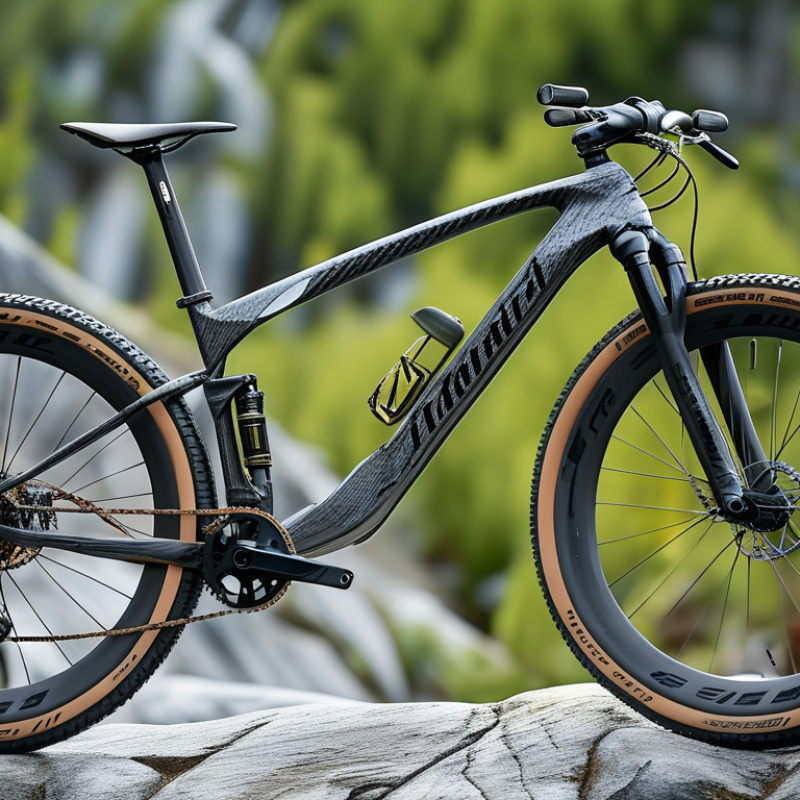
Understanding Wheelset Basics: Size, Rim Depth, and Weight Considerations
When selecting a carbon gravel bike wheelset, understanding the basics of size, rim depth, and weight is vital. Wheel size affects not only ride comfort but also handling and speed. Common sizes include 650b and 700c, each suited for different terrains. Using a 650b wheel will generally provide more traction and comfort on rough gravel. In contrast, a 700c wheel often delivers higher speeds on smoother paths, but may compromise comfort slightly.
Rim depth plays an essential role in aerodynamics and stability. Deeper rims can cut through the wind better, enhancing speed. However, they can be heavier and may affect handling in crosswinds. For gravel riding, a moderate depth is often best, balancing aero benefits with stability.
Weight is another key consideration. A lightweight wheelset makes climbs easier and accelerates more quickly. But remember, lighter isn’t always better. Durability should not be sacrificed for a few grams. Always assess how often you ride on varied terrain.
Finding the right wheelset is a process of trial and reflection. Each ride provides insights into how your wheels perform under different conditions. Don’t hesitate to adjust your choice based on your experiences. The perfect wheelset may not exist, but an informed decision can lead to a significant improvement in your riding experience.
Evaluating Material Options: Benefits of Carbon vs. Other Materials
When considering a carbon gravel bike wheelset, evaluating material options is crucial. Carbon wheels are lighter than aluminum, often weighing 20% less on average. This reduction enhances performance during climbs and improves acceleration. Additionally, carbon fiber offers better rigidity. Reports indicate that rigid wheels transmit power more effectively, which is essential for competitive riding.
However, carbon wheels have their downsides. They are generally more expensive than aluminum counterparts, which may not fit every rider's budget. Repairing carbon can also be challenging. Some cyclists find aluminum wheels are more forgiving on rough terrains. Durability is another concern—data shows that carbon wheels may be more prone to damage from impacts.
Personal preferences play a significant role too. Riders who prioritize speed might lean toward carbon for its performance benefits. Others may prefer the reliability of aluminum, especially in tougher conditions. Ultimately, it's important to reflect on your riding style and environment. Each material has its strengths and weaknesses, which should be carefully weighed before making a decision.
Assessing Your Riding Style: Road, Off-Road, or Mixed Terrain Preferences
When choosing a carbon gravel bike wheelset, consider your specific riding style. Are you primarily on paved roads or venturing off-road? Understanding the terrain you ride most often is essential. For road-oriented users, a lightweight wheelset can enhance speed and efficiency. For mixed terrain, a balance of strength and weight is crucial to handle diverse paths.
Off-road riders should prioritize durability. Rough trails demand robust wheels that can withstand impacts and rough conditions. Look for wheelsets designed with wider rims to accommodate larger tires. Wider tires provide better traction and stability on loose surfaces. You might find that lighter wheels feel great on smooth rides, but they may not endure the rigors of the trails.
Reflect on your experiences. Have you struggled with punctures or wheel flex? These issues often stem from the wrong wheelset choice. Each type of ride can teach valuable lessons about wheel performance. It’s important to assess whether your wheels meet your evolving preferences. Sometimes, your ideal options may shift as your skills and riding environments change. Trust your instincts; they are your best guide in this decision.
Choosing the Best Carbon Gravel Bike Wheelset Based on Riding Style
Choosing the Right Hub: Compatibility, Sealing, and Maintenance Factors
Choosing the right hub for your carbon gravel bike wheelset is crucial. Reliable hubs enhance performance while ensuring longevity. Factors like compatibility, sealing, and maintenance play significant roles in your decision-making process. Research indicates that over 70% of cyclists report problems with hub performance, often stemming from poor sealing and incompatibility.
Compatibility is the first hurdle. Ensure your hub matches your bike’s frame and drivetrain system. Each bike setup is unique. A mismatched hub can lead to frustrating ride experiences. Additionally, examine your wheel’s axle standard. Many options exist, like thru-axles and quick releases, which vary by model.
Sealing plays a vital role in hub longevity. High-quality seals prevent dirt and grime from entering the hub. A study reveals that well-sealed hubs can extend lifespan by up to 25%. Regular maintenance is essential. Over time, even sealed hubs can accumulate debris. Ignoring this can lead to decreased performance. It’s worth taking the time to check your hubs regularly. Small efforts today can yield significant gains in performance tomorrow.
Budgeting for Performance: Balancing Cost and Quality in Wheelsets
When selecting the ideal carbon gravel bike wheelset, cost and quality are critical factors to consider. A recent report by Cycling Industry News indicated that around 60% of cyclists are willing to invest in higher-quality components. Yet, many still struggle to balance performance with their budgets. It's essential to evaluate what you truly need versus what is purely a desire.
Pricing for wheelsets can vary significantly. For example, entry-level carbon wheelsets may range from $1,000 to $2,000, while high-end models can exceed $3,500. The difficulty lies in determining which features justify the price. Aerodynamics, weight, and durability play vital roles in performance. However, some might find themselves paying for marginal gains that might not translate to real-world riding benefits.
Additionally, a common mistake is to overlook maintenance costs associated with advanced materials. Long-term care can significantly impact the overall value of a wheelset. Riders often report needing to replace parts sooner than expected. Understanding these factors is crucial for making an informed decision. Keeping an eye on both immediate and ongoing costs will lead to a more satisfying purchase and riding experience.
How to Choose the Best Carbon Gravel Bike Wheelset for You? - Budgeting for Performance: Balancing Cost and Quality in Wheelsets
| Wheelset Model | Material | Weight (grams) | Price (USD) | Rim Depth (mm) | Compatibility |
| Model A | Carbon Fiber | 1400 | 800 | 30 | 12x100 / 12x142 |
| Model B | Carbon Fiber | 1450 | 950 | 35 | 15x100 / 12x142 |
| Model C | Carbon Fiber | 1350 | 700 | 40 | 12x100 / 12x142 |
| Model D | Carbon Fiber | 1500 | 900 | 25 | 12x100 / 12x142 |